


Susan B. Whiting
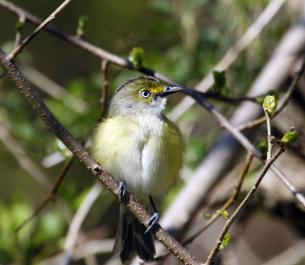
It is a treat to find young people who are interested in what is happening in the natural world, not the virtual computer world. A couple of days ago I called John Nelson, the science teacher at the Martha’s Vineyard Regional High School, and he answered the phone so that his students could communicate with me. The class, thanks to Mr. Nelson, has access to a spotting scope which is permanently focused on an osprey nest which is located on the floodlights of the regional’s football field. I spoke with three of John’s students. John Cooperrider let me know that the regional’s pair of osprey arrived in early April and that he and the rest of the class have been watching their activities ever since. Tom McHugh noted that the male was much smaller than the female, yet he was bringing fresh herring to his mate several times a day. Tracy Bowker added that she also noted the size difference and also that before the female laid her eggs, both osprey added twigs to the existing nest as well as a plastic six pack holder. The class still doesn’t know how many eggs the female osprey is sitting on but maybe after Dick Jennings and Rob Bierregaard finish their survey of the Vineyard osprey nests this week they may find out.
What has 16 million bricks, the dark red ones from Maine and the remaining lighter pinky-red bricks from Pensacola, Fla., and is 90 miles from Cuba and equal distance from mainland Florida? Fort Jefferson.
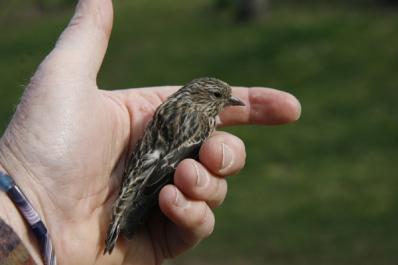
Birders have a tough decision, as there are two very important bird-oriented events this weekend; one for least terns and another for the Massachusetts Breeding Bird Atlas.
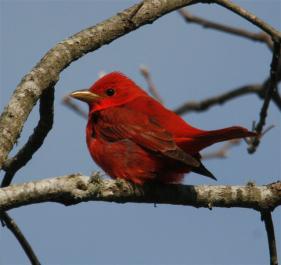
There are many Island birders who have nest boxes of one kind or another. I have eastern bluebird boxes and also American kestrel boxes. It is great to get a front row seat, as it were, to watch the birds from mating to fledging. Cornell Lab of Ornithology has set up a nest watch program so that they can help scientists learn more about bird families and how they might be affected by climate change. Cornell is asking for volunteers to register their nest boxes (visit registeryournestbox.org.) It doesn’t cost a penny and will help scientists determine if birds are laying eggs sooner and other information that might be pertinent to climate change. Everything you need to register your nest box and get started with NestWatch is available on-line. Hope you will join!
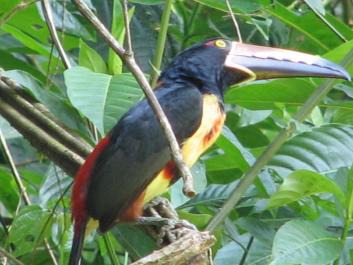
To see a new species of bird is always fun but particularly if it is in a place where you have birded frequently. Flip and I have been traveling to and birding in Costa Rica since our hair was brown, not gray. Thirty years of bird-watching in Costa Rica should have netted us close to all the 878 species known to this Central American country. No such luck, but we haven’t been there every month of the year.
Felix Neck Wildlife Sanctuary’s annual osprey festival is set for April 4 from 9 to 11 a.m. (with a rain date of April 5) and guess who will be there? Felix Neck’s osprey. We have a pair. The male arrived on the morning of March 31 just in the nick of time. The female joined him on Wednesday. Come celebrate the return of the sanctuary’s osprey as well as many others that have returned to nest on the Island. You will discover facts about the fish hawk through a variety of activities including a talk about native birds by Rob Culbert. Crafts, guided walks and talks will whet your appetites. You can grab lunch foods, baked goods and beverages and munch away while enjoying live music by the Flying Elbows. The cost for members is $3; $6 for nonmembers.