


Susan B. Whiting
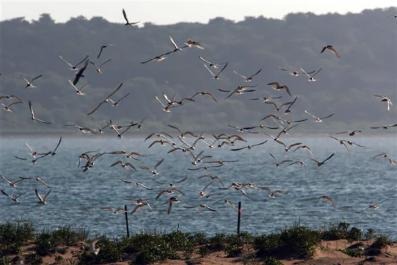
Least terns have nested on the Vineyard for as long as I can remember. According to Ludlow Griscom and Guy Emerson, the least terns of the Vineyard were able to avoid “plume-hunting persecution” of the 1800s. They nested successfully along what was termed Great South Beach and at Cape Pogue in the 1900s. No doubt the plume hunters were not willing to walk for miles in soft sand for a few plumes. However, least terns have not fared well on the Island since skunks were introduced, off-road vehicles are a dime a dozen and dogs accompany the family to the beach.
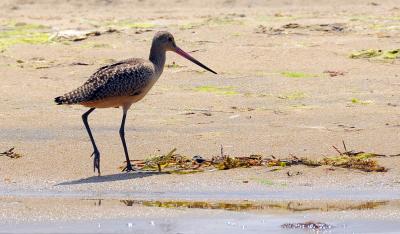
The Chilmark Community Center birding group had the pleasure of driving out on Norton Point with Nan Harris on August 4. Page Rogers had e-mailed photos of a marbled godwit that she had taken the day before at Norton Point. Marbled godwits are rare visitors to the Vineyard with only five records prior to this one, so this trip was to target the marbled godwit.
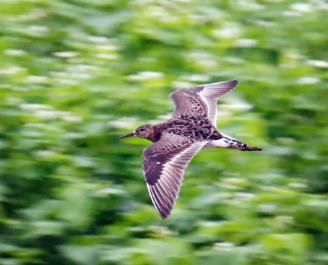
Even the best, most advanced and careful observers can misidentify birds. Last Friday, July 24, I received a message from two good Vineyard birders that they had spotted an upland plover in the plowed squash fields at the Farm Institute. This is a common fall migrant in small numbers and is fun to see. I couldn’t make it to the Farm Institute Friday, but made a date with Lanny McDowell and Pete Gilmore to go on Saturday.
On June 26 I answered a query by Linda Sibley. She asked if I thought that the barn swallows she had in her barn did not return this year because she erected a small wind turbine. This was my answer: unless the bird hits the turbines, there does not seem to be any adverse effect. So check below your turbines to see if the birds have come to grief. Other creatures will eat fallen birds, so you have to check frequently to determine if there is a problem.

The boys are back in town, or are they the girls? A much awaited event for bird watchers has begun. The shorebirds have started migrating from their nesting sites in the tundra. On Friday, July 10, a group of birders were scoping the sand flats of Chilmark and Tisbury Great Ponds and were delighted to see a good selection of shorebirds.
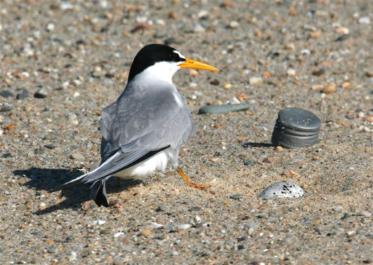
Rainy weather — ah, let me see — a good book and a comfy couch are my tickets to staying dry and passing the time. But what do birds do? They also seek shelter but instead of a house they use leaves of shrubs, bushes and trees as a roof. If there are none of these available, unlike humans, they stay warm and relatively dry without shelter. The feathers of birds have developed rain shedding feathers through the evolutionary process. I watched a blue jay sitting peacefully in the pouring rain the other day. Once in a while he would shake off the rain drops that were resting on his feathers, but otherwise he seemed quite content. When the rain stopped, the blue jay fluffed up his feathers and dried them out in the sunshine. No electric hairdryer necessary as most of the moisture had been shed.