


Julia Rappaport

At the very end of Main street Tuesday night, a bright green Tisbury fire truck stood with nothing to do and nowhere to go until one small boy came along and, too shy to do so on his own, had his father ask if he could climb up into it.

On the night before the Fourth of July, little cards were placed in the center of each table. There were 16 in all and they announced the night’s special: a fig-encrusted rack of lamb. It was the start of the busiest holiday weekend on the Vineyard and the tiny dining room of Café Moxie was filled — every table, every chair.
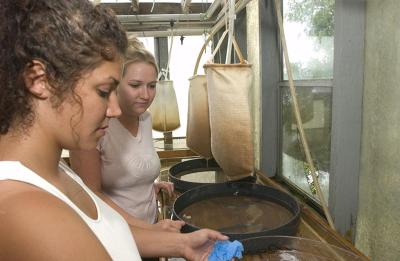
At first glance, Rick Karney does not appear to be a farmer. He works on the water and is usually more damp than dirty.
But to watch him in action is to be sure that the work Mr. Karney does at the Martha’s Vineyard Shellfish Group is hardly different from the work Island farmers do in their fields and stables and greenhouses every day.
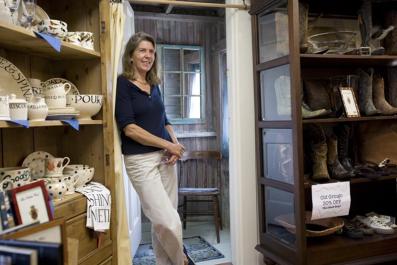
She is most at home in the water and on it.
“My grandparents had a house on Morse street with a barn out back and they gave it to my parents when they got married. We called it The Shack and I was there from zero to ten. We would start coming Easter weekend and go straight through until Halloween and we’d be here all summer. We would load up the car Friday after school and we’d stay until Sunday night or Monday morning, depending on the tides. Dad was a fisherman, you know, so if the fishing was good, we’d stay.”

In the food industry, it’s all about the numbers.
Eight ounces in a cup. Three hundred fifty degrees to bake cookies. Seven o’clock dinner rush.
This summer, Austin Racine and Katrina Yekel are keeping track of one more number: 63. It is the number of days straight that Café Moxie — the Main street Vineyard Haven restaurant where they first met and fell in love and now own together — will be open for lunch and for dinner.
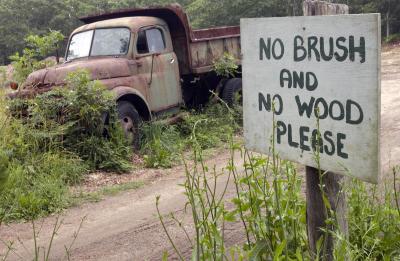
Coffee grinds, apple cores and curly orange carrot peels: straight to the trash they go in most households. But on Island farms, these food scraps (along with egg shells, wilted greens and watermelon seeds) go to the compost. For the farmers, this trash is treasure.
“It’s like crop insurance,” explained Jim Athearn of Morning Glory Farm last week as he stepped down from his tractor.