

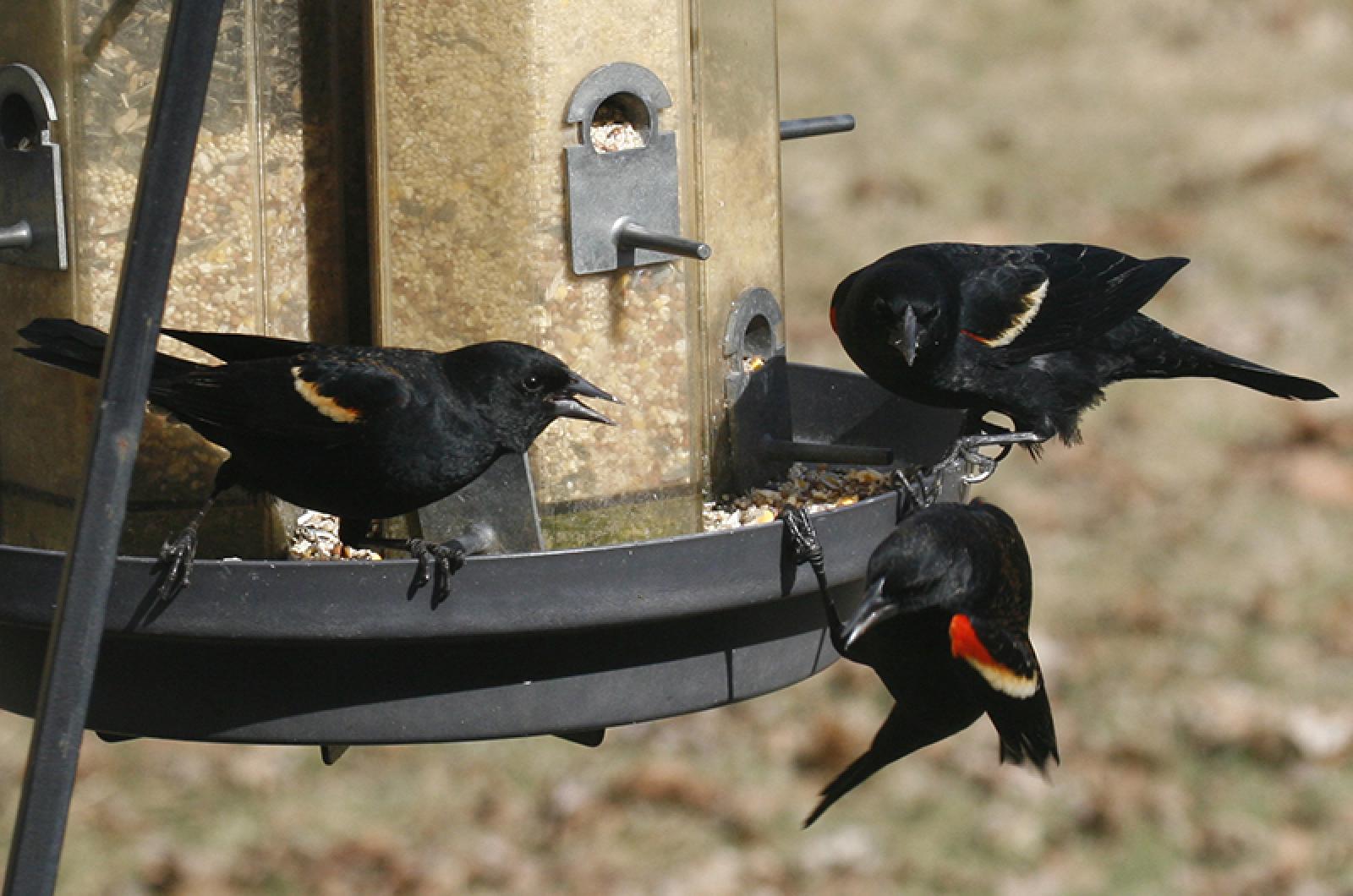

Fortunately, Hurricane Erin stayed out to sea. The power of that storm — even when it is far away — is amazing, especially since it combined with a northeaster storm that arrived from the west and brought us some much-needed rain.
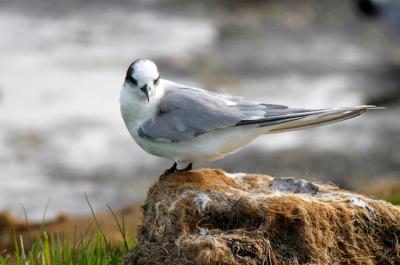
This long-winged species flies in graceful loops as they chase and catch insects on the wing. They are most likely to be seen in the late summer as they fly overhead on their southbound migration.
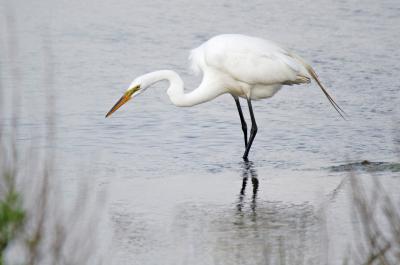
Mary Kentros spotted the first definite southbound migrant warbler, a northern waterthrush, on the muddy shoreline of Deep Bottom Cove on August 6. Its distinctive tail bobbing was conspicuous. This species is much more common than the very similar Louisiana waterthrush.
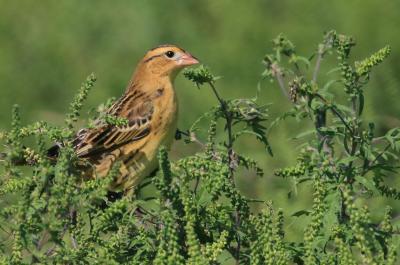
In an unusual twist for this column, consider four species that have not been reported recently. I mention them now because the next month or so is a good time to find them.
Telling when the southbound migration starts can be problematic.

To put it mildly, semipalmated plovers (common southbound migrants) look very similar to the common ringed plover, which nests as close as Greenland and Europe while it winters in Africa and Asia.