

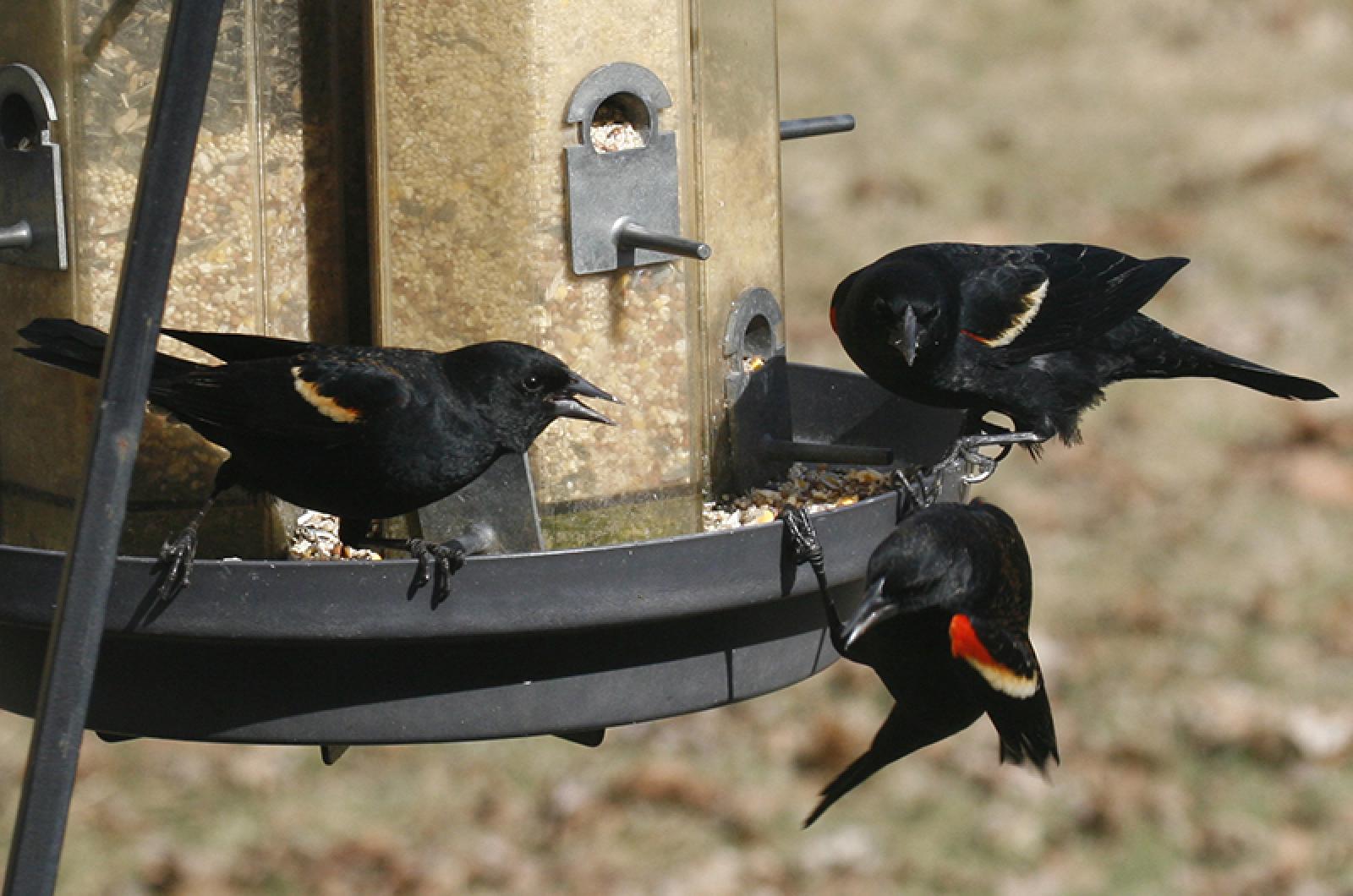
Flip Harrington and I had our first yellow-rumped warbler and white-crowned sparrow in our Quenames bird bath on Oct. 19. The holly trees behind the bath provided shelter and probably insects for our first ruby-crowned kinglet.
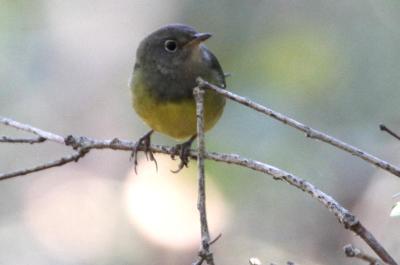
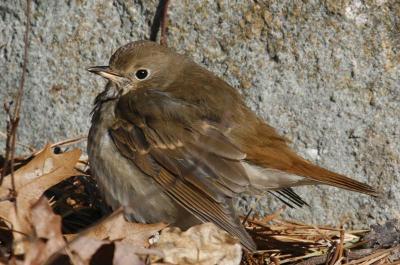
A warbler seen in the Phillips Preserve and a thrush spotted in the Gay Head Moraine are members of groups of birds I have always had trouble disti
We were packing to leave for a trip to Maine on Sept. 14 to visit old Vineyard friends and attend a wedding. Our backpacks were on the kitchen table and I had just filled the hummingbird feeder. One of the juvenile ruby-throated hummingbirds flew up to the kitchen window, hovered for a few seconds and then flew off. That was the last time we saw our hummingbirds.

Hummingbirds are surprisingly abundant for mid September. A request for information sent out yesterday generated 19 responses, 14 of which still had either females or immatures at their feeders on Sept. 16. Wow! I did not expect that many responses. Charlie Kernick was the only one to report that a male was still present, so the males have apparently left already. The other five responses had observed hummers either last week or over the weekend. Thanks to all the respondents; there are too many names to list them all.

On Sept. 7 Tim Spahr, an excellent birder from the mainland, was birding with Allan Keith in the Gay Head Moraine. They were on a small bridge over a trickling stream when Tim heard a chip note that Tim said was a hooded warbler. Allan Keith and I both have difficulty hearing and identifying chip notes so we are always willing to bird with someone with good ears. Allan was stunned that Tim not only heard the note, but identified it. With a little coaxing the bird came closer and Tim was able to photograph an immature female hooded warbler.
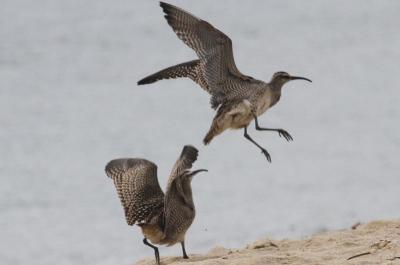
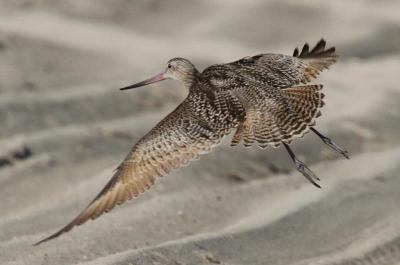
In 1974 my brother in law, Brian Harrington, while working at the Manomet Center for Conservation Sciences, developed International Shorebird Surveys to “gather basic migration information on shorebirds and the wetlands they use.” Later the Atlantic Canada Shorebird Survey joined in and the data collected by huge numbers of volunteers from both organizations showed that many species of shorebirds depend on flats and other wetland habitats to fuel up on food as they often move up to 11,000 miles per year.