

Nature & Science
The gibbous moon spends the weekend and the nights ahead mostly in the morning sky. Tonight the moon rises three hours after sunset and dominates the southern night sky all the way to dawn. The moon resides in the zodiacal constellation Sagittarius this weekend.
Temperature: Precip.
Day Max. Min. Inches.
Fº Fº
April 23 67 45
April 24 64 40
April 25 64 49
April 26 53 47 0.38
April 27 56 47 0.09
April 28 55 35 0.02
April 29 53 43 T
Water temperature in Edgartown harbor: 55º F.
By LYNNE IRONS
Since the media is still talking about the Icelandic volcano eruption, I have to add another thought on the subject! In 1816 after an eruption which caused one of those summers that didn’t happen, Mary Shelley and Lord Byron were vacationing. Because there were long, wet, gloomy days forcing the couple indoors, Mary wrote Frankenstein. Wonder if a similar creative effort happened with one of the many stranded air travelers in Europe?
There was a time (and a place) when it was very wise to tiptoe through the tulips.
It was in Holland during the 1630s, when tulips were all the rage, a time when the mere possession of this bodacious bulb could put your life in danger and thieving of them from the garden was rampant. In fact, the tulip craze, called tulipmania, was not only dangerous to your person but also a threat to your fortune and future.

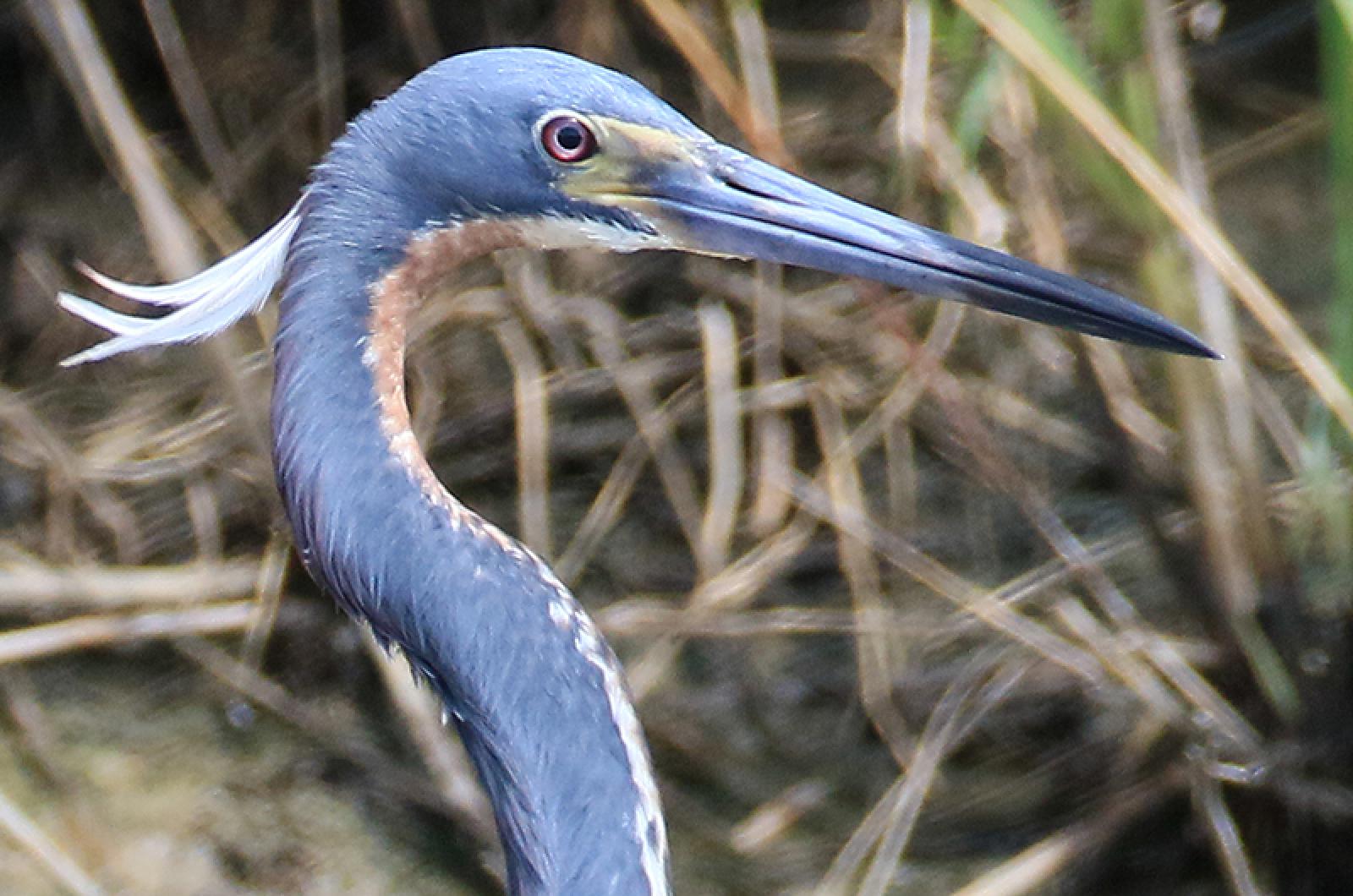
Yellow seems to be the color of the week, with two reports of unusual yellow birds.
On Monday I got an e-mail from Sue Hruby, reporting a yellowish bird bigger than a tufted titmouse that showed up at her West Tisbury feeder early on April 26. She correctly identified the bird as a western tanager, noting that the red was clearly visible, but not bright. She also took some photos of the bird, so it was easy to confirm the identification.

Among all the species taken by fishermen in this part of the world, horseshoe crabs have, until now, enjoyed a dubious distinction: they were the only ones targeted while in the act of reproducing.
The easiest way for many to catch them was to walk the beaches at the times of the full and new moons in May and June and simply pick them up as they came into the shallows to spawn.
Almanac
A comprehensive guide to weather and tides on the Island.

Vineyard Gardener
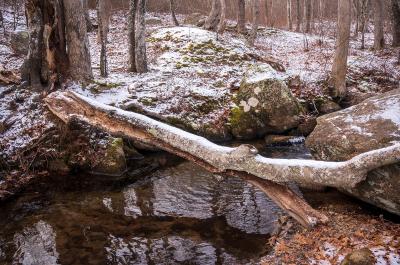
I guess this past week weather-wise is called a January thaw. We did not really experience it the last several years as December was unseasonably warm.
Farm & Field
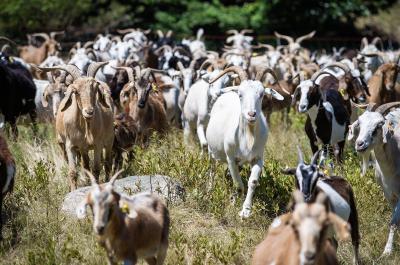
Beige and brown and tan and black, with horns spiraled or semicircular or in undulating waves, a legion of goats marched up the hill toward us, bleating in anticipation of fresh grass and leaves.