

Fishing
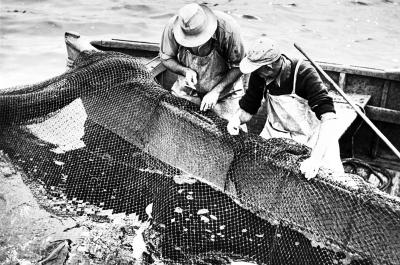
If you had walked the shoreline of the Vineyard between roughly 1870 and the middle 1930s — especially the muscular, rocky north shore from Lambert’s Cove west to Gay Head — you would have seen something there’s absolutely no sign of today: row after row of wooden stakes stretching up to 100 feet outward from the beach into Vineyard and Nantucket Sounds.
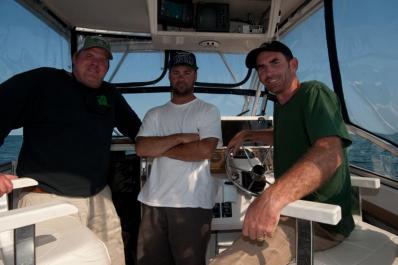
They were seeking to reel in stripers and bluefish for the annual derby. Instead, Caleb Nicholson, Neal Farrell and John Thomas (JT) Maher reeled in three stranded fishermen whose boat sank miles off the coast of Aquinnah and were clinging to a cooler in the chilly, rough seas.
A meeting called to discuss long-range management for the Menemsha Pond system took a surprise turn when a spokesman for the U.S.
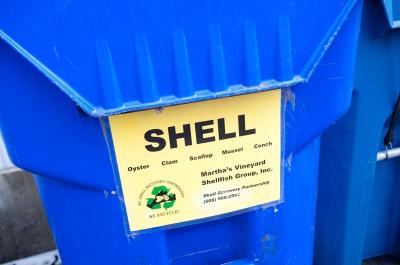
Vineyard commercial fishermen will soon be able to dispose of their fishing gear debris for free through a partnership involving a federal program, Island and off-Island businesses and the Martha’s Vineyard Refuse Disposal and Resource Recovery District. The National Oceanic Atmospheric Administration’s program Fishing For Energy aims to cut down on the illegal dumping of debris offshore. The program will run Feb. 27 to March 27.
The federal program has been around since 2008 and has been a success, including on Cape Cod.

The New England Fishery Management Council dramatically cut landing limits on cod and yellowtail flounder last week for the coming year. Meeting in Portsmouth, N.H. on Wednesday, Jan. 30, the council voted on a plan to reduce the landings of cod in the Gulf of Maine by as much as 77 per cent from the 2012 quota for the next three years, and to cut the landing of Georges Bank cod by 61 per cent from the 2012 quota.
Once the most common fish in the waters around New England, the cod numbers are now so low that they are teetering on the edge of extinction, officials said.
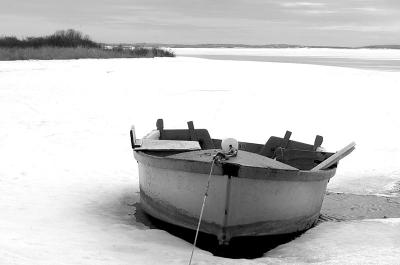
Bitterly cold temperatures in January kept the bay scallop fleet grounded for many days, but frozen ponds may provide future benefits to some shellfish, including scallops and oysters, Island marine biologists say.
Rick Karney, director of the Martha’s Vineyard Shellfish Group, said last week that a drop in water temperature in saltwater ponds helps to inhibit the shellfish disease dermo, which is a threat to wild oysters.