

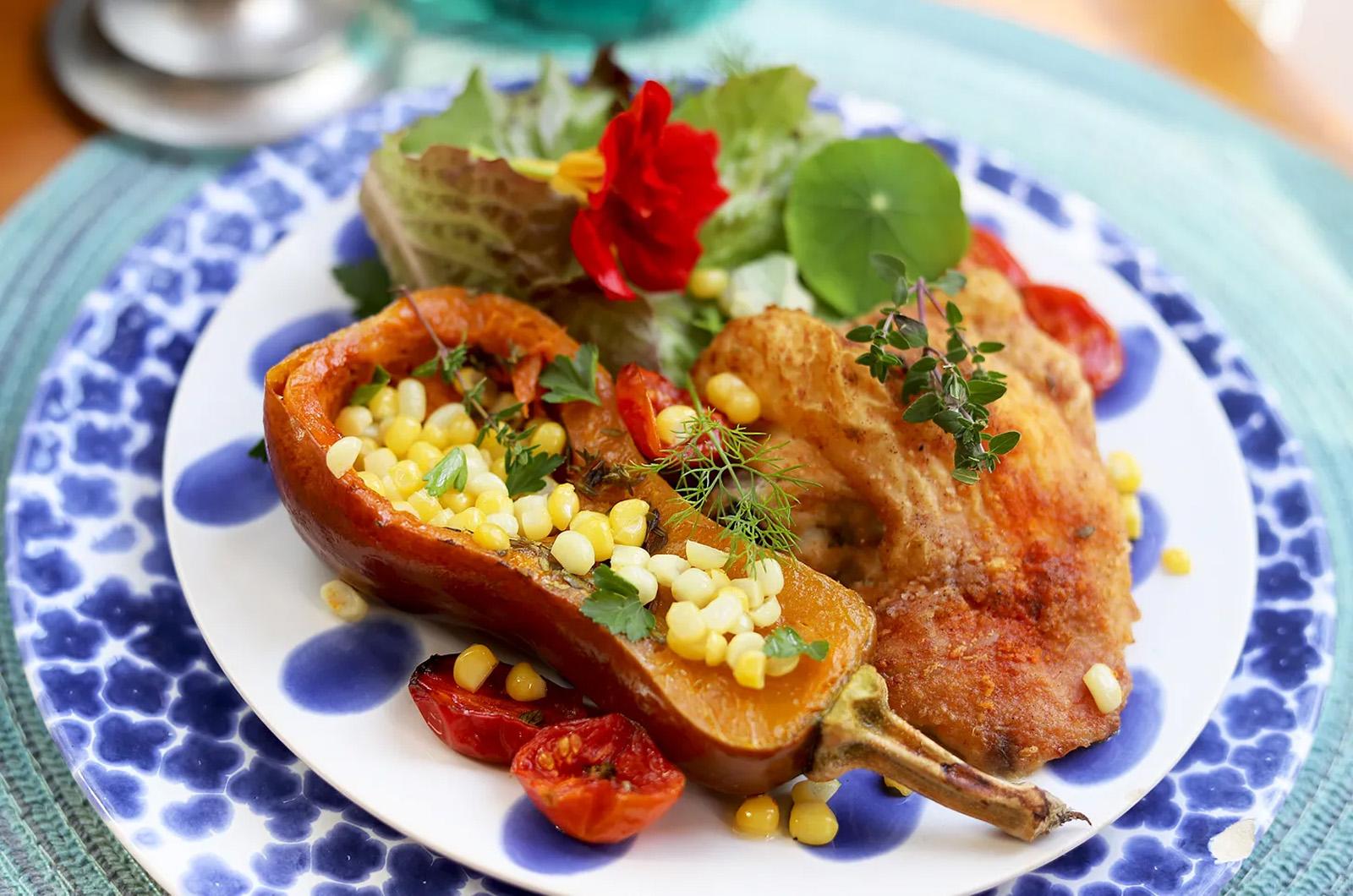
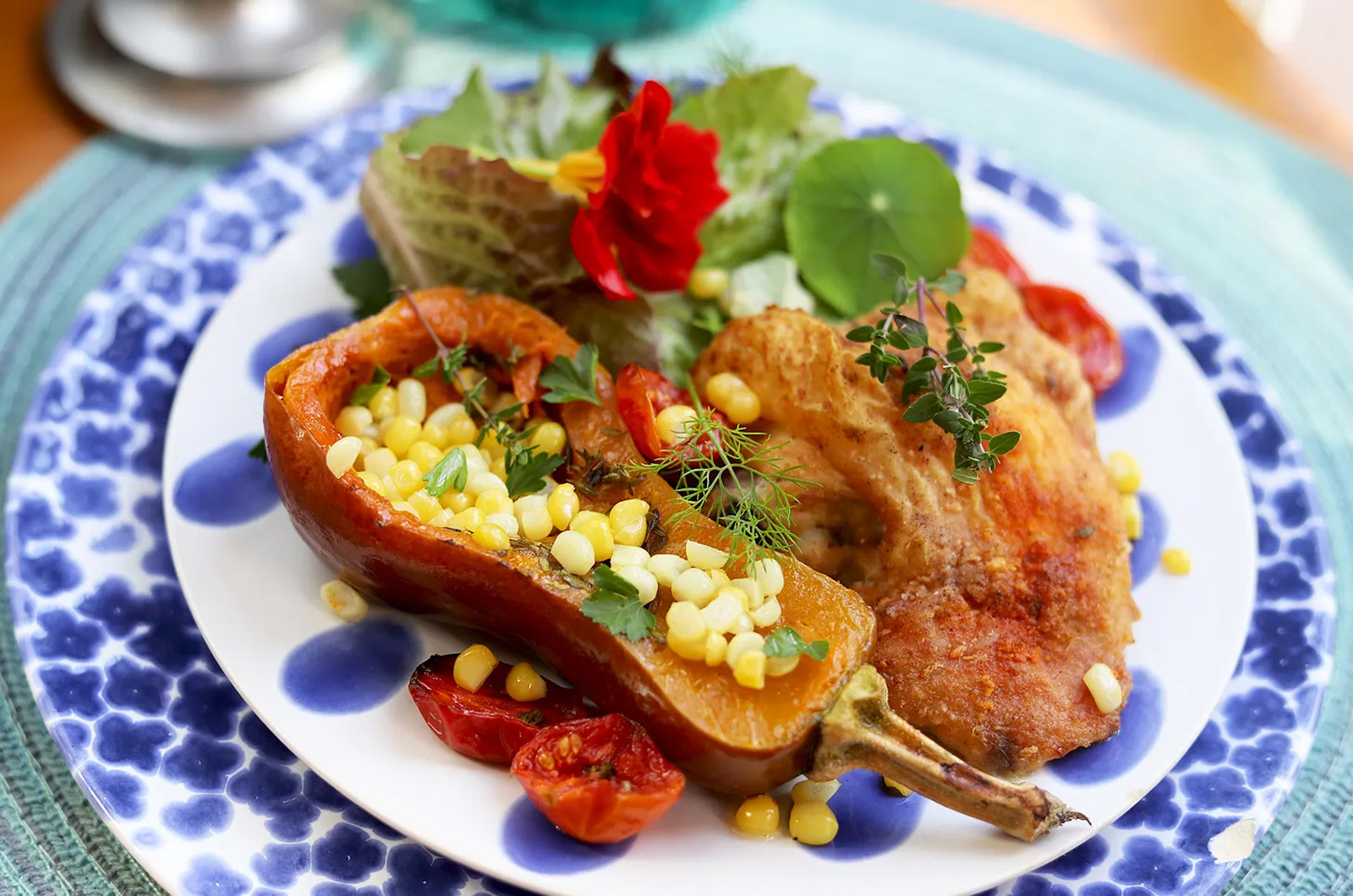
In August, Susie Middleton, editor of Cook the Vineyard, was diagnosed with alpha-gal, the tick-borne illness that can make people allergic to red meat, dairy and other mammal products. She has now published an alpha-gal resource guide.
When cookbook author and home cook Susie Middleton started Cook The Vineyard in 2019 for the Vineyard Gazette Media Group, it quickly attracted a large audience. The weekly newsletter is now available on Substack where it currently hosts over 9,000 subscribers. Recipes are also posted on cookthevineyard.com.
Ms. Middleton is known for developing recipes of all types, with a focus on incorporating seasonal vegetables and fresh ingredients with local meat and dairy products.
Recently, however, a different type of development forced her to adapt the weekly newsletter. In August, Ms. Middleton was diagnosed with alpha-gal, the tick-borne illness that can make people allergic to red meat, dairy and other mammal products.
“When I first got the diagnosis, I thought, this is really going to be challenging, and I did get a little depressed,” she said. “Then, I thought, well, I’m going to have to rise to the occasion and start using my recipe development skills to look at how to eat differently.”
Alpha-gal cases have been on the rise on the Vineyard, transmitted by lone star ticks. In 2020, Martha’s Vineyard Hospital recorded just two confirmed cases of alpha-gal sensitivity. By fall of 2024, the hospital had 445 positive cases. Around the country the numbers are also skyrocketing, with alpha-gal-related meat allergy on pace to become the 10th most common allergen in the country.
Ms. Middleton never considered stopping the newsletter despite the sudden allergy. Instead, soon after her diagnosis, she published an alpha-gal resource guide and began highlighting existing recipes on Cook The Vineyard as alpha-gal friendly.
“We’re really in the early stages of awareness about [alpha-gal] and we have such a high proportion of home cooks,” Ms. Middleton said. “We love our farms. We love our ingredients, so I feel a responsibility to help people continue to do that and have fun with it, even if they have restrictions.”
Despite the setback, the allergy has given Ms. Middleton a chance to return to her cooking roots.
“My formative cooking really is Mediterranean [cuisine], and there is a lot you can do with fish and chicken and no butter but olive oil, and then you’ve got all the beans and vegetables,” she said.
The newsletter and Cook the Vineyard recipes are not all changing to be alpha-gal friendly, Ms Middleton added, and will continue to have contributions from other professional cooks, including a robust archive and regular contributions from baking expert Abby Dodge and Island cookbook authors such as Julia Blanter and Cathy Walthers, among others.
Optimism and excitement have been important to Ms. Middleton as she navigates this new aspect of her life.
“It’s really hard to focus on I can’t eat that. It’s nicer to say, well, I can eat all these beans. I can eat fish. I can eat chicken. We have these incredible vegetables,” Ms. Middleton said.
Case in point, a recent trip to Morning Glory Farm.
“I walked into Morning Glory one morning and there were the cookies. It was the first time it occurred to me. I’m like, oh my God, I can’t have cookies or pastries,” she said. “Then I went back to Cook the Vineyard, and I thought, I always make my mom’s pumpkin bread this time of year and it’s an old fashioned quick bread made with vegetable oil. There’s no butter in it. It’s alpha-gal friendly.”
Ms. Middleton hopes the resources and recipes she’s continuing to develop will help those affected by alpha-gal.
“My own diagnosis really was a catalyst and getting as much information as I could together,” she said. “I hope it’s going to be really helpful to people.”
For more information, visit cookthevineyard.com, cookthevineyard.substack.com, and mvmagazine.com/cook-the-vineyard.
Comments
An alpha-gal friendly diet
Anonymous MVAn alpha-gal friendly diet also benefits the planet, as beef, dairy and other mammalian products have some of the highest carbon footprints of all foods. There are health benefits as well.
Here are links to a few interesting articles on the subject:
https://ourworldindata.org/food-choice-vs-eating-local
https://www.forksoverknives.com/wellness/sweeping-new-report-climate-sc…
https://www.forksoverknives.com/wellness/harvard-study-planet-friendly-…
The alpha-gal diet also comes
Bill Simpson VHThe alpha-gal diet also comes with anemia as a possible side effect.
Add new comment