
Arts & Entertainment

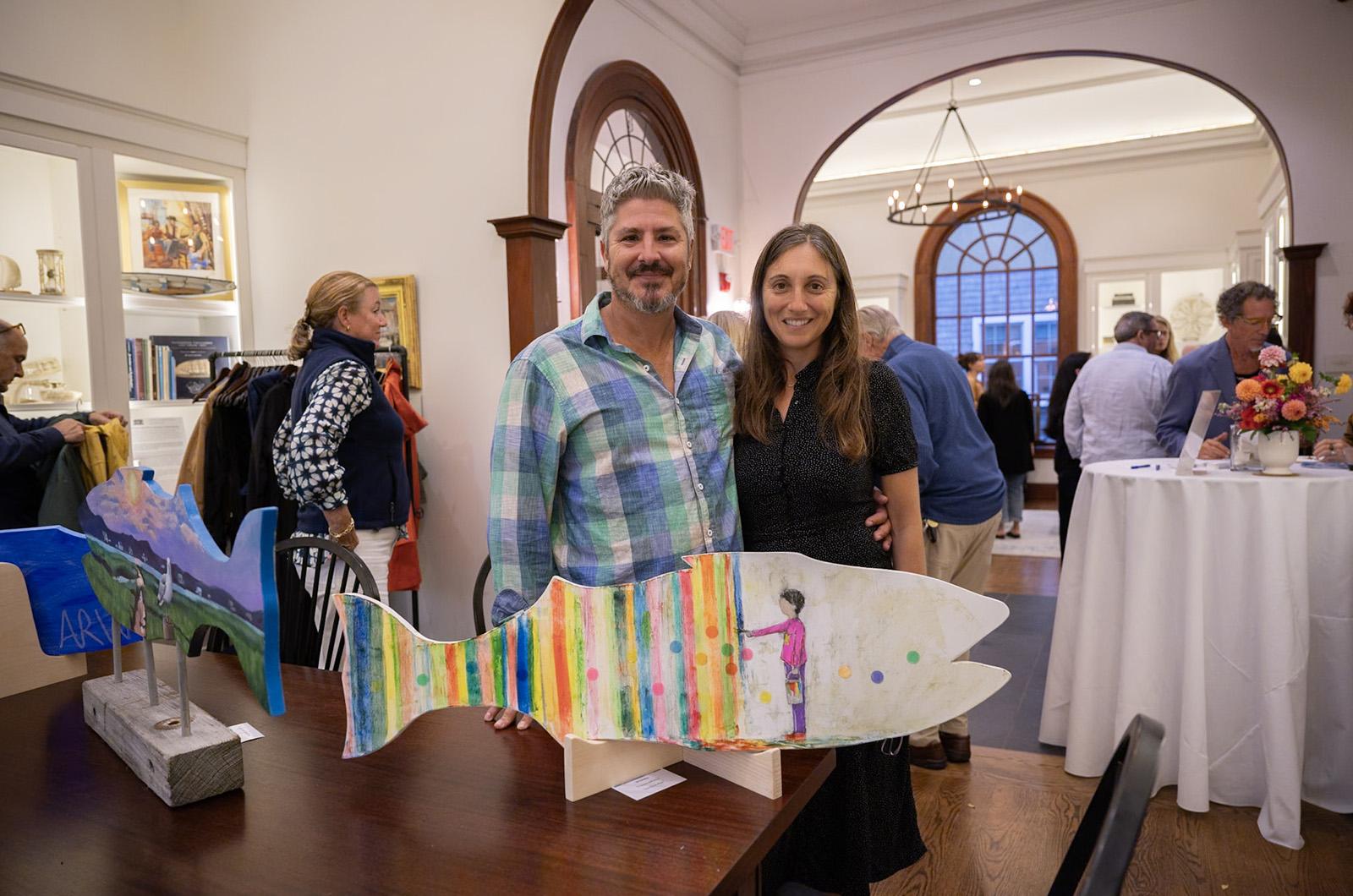
Run and Shoot may sound like a basketball slogan, but it’s actually the name of a transmedia company that founded the Martha’s Vineyard African American Film Festival ten years ago. This year’s festival, headed by husband and wife team Floyd and Stephanie Rance, will feature close to fifty films, including shorts and feature-length films, which will screen at the Performing Arts Center, the Oak Bluffs Public Library and the Harbor View Hotel.
Washashore Art
One clever way to clean up a beach is to collect trash and turn it into art. That’s what artist and art teacher Wendy Shalen did, using found floating debris from beaches on the Vineyard, Long Island and Florida as subject matter for her handmade paper seascapes. The series is called Washed Ashore, and was recently exhibited at the Pound Ridge Library in New York.
The images show the closeness of nature and material culture. Garbage can be collected on some beaches as easily as drift wood.
What would happen if we actually were able to live with the celebrities we fawn over? You’d need to fully restock your kitchen three times a day to support Michael Phelps. Annie Oakley would surely stir up trouble with the neighbors. Whoever it is, normal life would simply go awry.
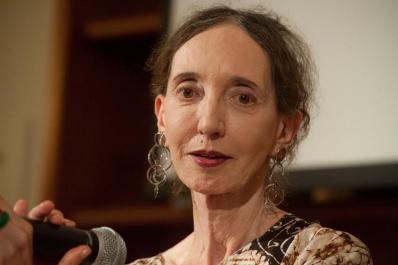
In her work-in-progress play, Wild Nights, award-winning author Joyce Carol Oates portrays the attempted assimilation of not only a celebrity, but one of the greatest literary names of all time — Emily Dickinson.
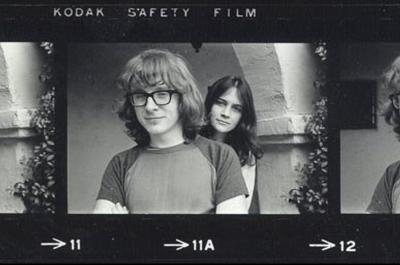
When Peter Asher first heard Kate Taylor sing, he was instantly impressed. “I loved the texture of her voice and her phrasing, so I said, let’s make a record.”
Not one for idle chatter, Mr. Asher then produced her first record, Sister Kate. The year was 1971.
“She was even more of a soul singer devotee than James [Taylor] was,” Mr. Asher remembered. “He took after Sam Cooke and Ray Charles, but Kate was rocking out and blues-ing out much more overtly. I loved that she was a white soul singer.”
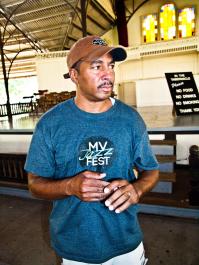
On Monday John Lee stood in the Tabernacle, excitedly talking about the second annual Martha’s Vineyard Jazz Festival. It was the same place he first came up with the idea. He pointed to the front few rows. “I sat in these pews with my daughter and visualized having a festival,” he said.
At the time there was nothing on stage. He was simply sitting and dreaming.

After graduating from Whittier College in the 1960s, Guy Webster decided to join the army reserves for a six-month stint rather than go to Viet Nam. For the first three months he purchased, shipped and decorated Christmas trees. For the second half he taught photography, even though he had never even held a camera before that moment.
“I had never taken a photograph in my life,” remembered Mr. Webster. It wasn’t until his last month in the reserves that he shot his first roll of film. That was all it took to get him hooked.