

Robert A. Culbert
Northern bobwhites are about as tall as robins, but are considerably chunkier. They are also called quail, and they prefer a combination of shrubs and grass, especially hedgerows in agricultural fields. These ground-nesting birds are now scarce, although they were abundant year-round residents as recently as the 1980s. Numerous reasons may explain the current scarcity of these birds.

Birds that come to bird feeders change over the seasons. Sure, that sounds obvious, but this point was driven home by recent observations at my feeder. There were six to eight American goldfinches that were regulars at my thistle feeder from October through January, but I have not seen them in the past month or so. Also, three tufted titmice and two red-breasted nuthatches used to be present daily, gorging on sunflower seed, but now are only here about once per week. This reduced number of birds is consistent with my need to fill the bird feeder about half as frequently as before.

Which is it, a short nasal cah-ah or a full-voiced caaw? That is the question that will help distinguish between the unusual fish crow and the ubiquitous American crow.
The 48th annual Martha’s Vineyard Christmas Bird Count was held on Jan. 5. This was an Islandwide event with 69 observers out in the field counting all the birds they could find and another 35 observers counting the birds visiting their bird feeders.
The final results are presented below. We had close to ideal weather, with only a light breeze and temperatures ranging from 23 degrees at dawn to a high of 43 degrees in the afternoon.
Now that the annual Christmas Bird Count is fading into pleasant memories and a lot of fascinating data, we might be lulled into thinking that we can put citizen science aside until next winter. Nope! Such is not the case, as we have a request for help with a winter waterfowl survey of sites where people feed wild ducks and geese.
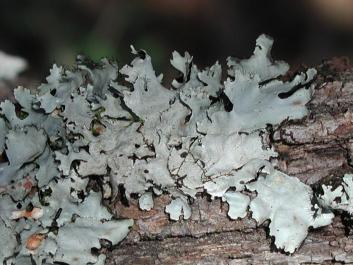
Two plants that merge into one, growing together to the benefit of each other. Sounds strange, but lichens are unique combinations of fungi and algae growing together, yet they are distinct from either of their components. They are abundant in nature, occurring just about everywhere: silvery gray flat patches growing on tree trunks, rocks, roofs and other flat surfaces. Well, most of the time that is what they are.