

Remy Tumin

On a clear night on the Vineyard at this time of year, look skyward and you can see the Milky Way. The Island is one of the few places left on the East Coast where the galaxy can still be seen with clarity. But even here, where the dark night sky is considered a precious resource, like the clear ocean water and unpolluted landscape, there is growing concern about the strains being put on that resource from residential development.
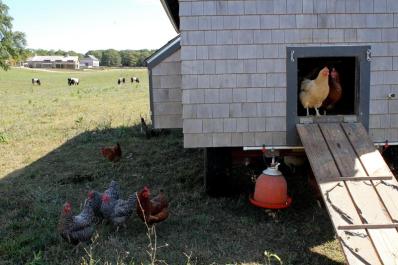
When state Agriculture Commissioner Greg Watson made his swing through a series of Vineyard farms last week, there was detailed discussion about what constitutes organic farming.
Against that backdrop, two Vineyard farms are now federally certified as organic.

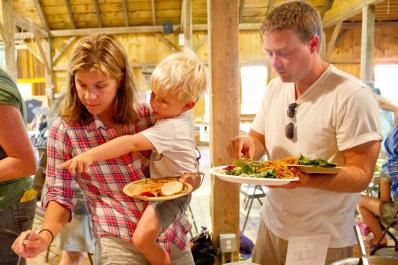
With the July sun setting over the Katama Plains and a sliver crescent moon rising as cows grazed in the vast fields, the pastoral scene was set naturally for the Farm Institute’s annual Meals in the Meadow fundraiser Saturday night.
When Oran Hesterman visits a new city, he heads straight for the farmers’ market.

On any given summer afternoon, the stand at Morning Glory Farm in Edgartown is bustling. Shoppers leave with large totes of fresh vegetables, still warm from being picked just across the street. For new Massachusetts Department of Agricultural Resources commissioner Greg Watson, the stand reflects the changing face of the country’s farming movement, one where consumers aren’t left behind but are active participants in the changing of their food system.

Armed with cameras, plans and ideas, prospective contractors for a new U.S. Coast Guard boathouse in Menemsha toured the historic fishing village last week to visit the site of what will be, once built, the largest structure in the harbor.
The project went out to bid this spring. Four prequalified contractors responded to the Coast Guard’s request for proposals, and last Wednesday those contractors, along with nearly 20 of their subcontractors, walked the property in Menemsha with the agency’s design team.