


Noli Taylor
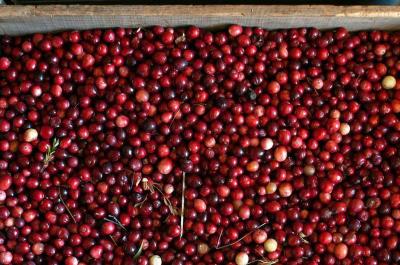
On Halloween morning, Carol Magee, the executive director of the Vineyard Open Land Foundation, gave me my first lesson in cranberry sorting.

Akaogi farm in Vermont grows a variety of fruits and vegetables, but the thing that brought me there this past week was their most unusual New England crop: rice.

In April, six of us from Island Grown Schools were able to travel to Austin, Texas, for the seventh National Farm to Cafeteria conference. We joined 1,100 other farm to school advocates from across the country to share stories, triumphs and challenges in bringing school gardens, healthy food and farm-based learning to children.
On a recent Sunday evening, the West Tisbury Library Community Room was crowded with people leaning over tables covered with white paper bowls. Each bowl was filled with a different kind of seed — some tiny, some huge, some fuzzy, some smooth, and in every shade of red, gray, white, black and brown.

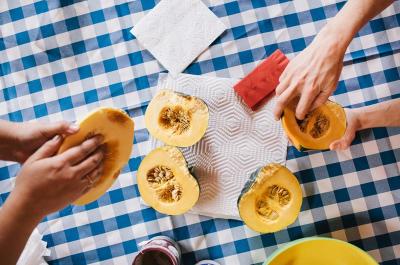
In children’s books, the pumpkins all look much the same: round, orange and a bit bigger than a bowling ball. But check out the 71 pumpkin varieties offered by Johnny’s Seeds, or the Seed Saver’s Exchange, or any number of other seed purveyors, and prepare to be amazed.
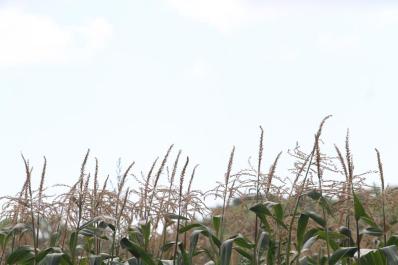
This fall begins the second year of Island Grown Harvest of the Month, a program of Island Grown Schools that highlights a different locally available crop every month to encourage healthy, whole foods, seasonal eating in our schools and in the wider community.