

Mark Alan Lovewell
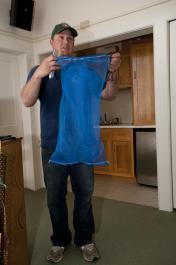
Isaiah Scheffer is hopeful about the future for those who love to go bay scalloping, oystering and quahaugging in Chilmark. Recent successes in all three fisheries may be due to Mother Nature, but another key ingredient is some labor-intensive, progressive shellfish restoration work. Mr. Scheffer recently gave a talk and slideshow at the Chilmark Free Public Library about that ongoing work.
There were two small earthquakes near and under Nashawena Island on Sunday night, about halfway between Martha’s Vineyard and New Bedford. The first earthquake, a magnitude 2.1, barely perceptible quake, took place at 8:39 p.m. The second occurred seven minutes later and was recorded at 1.3 in magnitude.
Nashawena is one of the Islands in the Elizabeth chain of islands. It is just east of Cuttyhunk. There were reports of the first earthquake being felt in Fall River and places nearby.
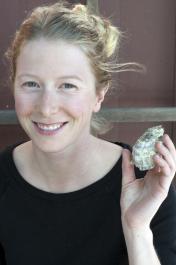
Oyster shells just saw their stock go up on the Vineyard. A former employee of the Martha’s Vineyard Shellfish Group is in the early stages of a project to recycle oyster shells from seafood restaurants on the Island. The idea is to put the oyster shells back in the pond to boost oyster futures.
Jessica A. (Jessie) Kanozak, floor manager at Offshore Ale Co. on Kennebec avenue, plans to collect the shells by the truckload and deposit them into the Edgartown and Tisbury Great Ponds as culch for future oyster beds.

By MARK ALAN LOVEWELL
Persistent wet, foggy, rainy weather of the last week will come to an end early in the coming week. A more positive trend is around the corner, according to Benjamin Sipprell, a meteorologist with the National Weather Service in Taunton.
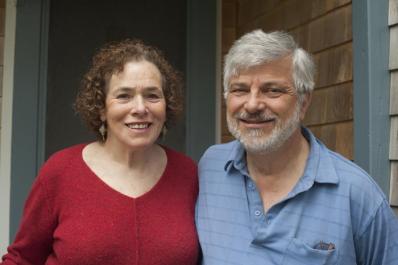
He plays the recorder. She plays the piano. They are both retired and inherited the house in which they now live. Fred H.C. Hotchkiss and his wife, Anita, are two members of the new majority: the rapidly growing elderly population on the Vineyard.
On Saturday afternoon while many Islanders were outside enjoying the warm air on a bright spring day, nine people sat inside the West Tisbury fire station and talked about storm clouds and how they could help national forecasters better predict the weather and possibly help save lives and property. It was a training session for the National Weather Service SKYWARN program.