


Brendan O'Neill
Land Matters
Editors, Vineyard Gazette;
Contaminated ponds. Tangled traffic, bigger crowds, louder jet noise. And despite all that, a thunderous building boom that promises yet more to come, struggling to satisfy the market for vacation rentals while doing little if anything to provide year-round housing.
The Vineyard Conservation Society (VCS) is besieged with the question: “What can be done to prevent killing the goose that lays the golden egg?”

The Martha’s Vineyard Commission is taking an important step to address the Island’s growth crisis through a new carrying capacity study.
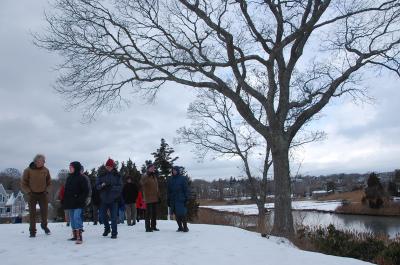
Against a backdrop of rising seas rising and receding shorelines, it feels as though the Vineyard gets a little smaller every year. But one town is actually a bit bigger than it once was.

The following was submitted as testimony for the Martha’s Vineyard Commission public hearing on its development of regional impact checklist.
The Vineyard Conservation Society is an advocacy organization. Our focus is on environmental, land use, and growth and development issues on this Island. We have over 1,000 seasonal and year-round members, and we have been doing this work for nearly 50 years.
What I am here to advocate for this evening is some version of tightened plan review for high-impact residential development.
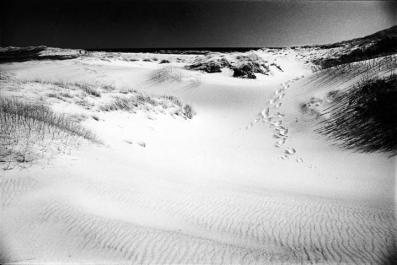
Often lost in the debate about the pros and cons of developing new sources of energy production is the critical importance of conserving our existing energy reserves by promoting conservation and altering personal consumption habits. Energy conservation — increasing the efficiency of energy use to produce more output for the same consumption — must be part of the conversation if we are to overcome the unprecedented energy challenges we face globally and locally.
Looking out from the magnificent expanse of the Gay Head Cliffs in Aquinnah, one of the few visible structures is the Claiborne Pell Newport Bridge, located some 30 miles distant. The towers of the bridge stand 400 feet above mean sea level, the approximate height of the tower and blades of the current generation of large wind turbines. It is easy to understand why there is concern about impacts on scenic, natural and cultural resources from turbine development significantly closer to Martha’s Vineyard.