

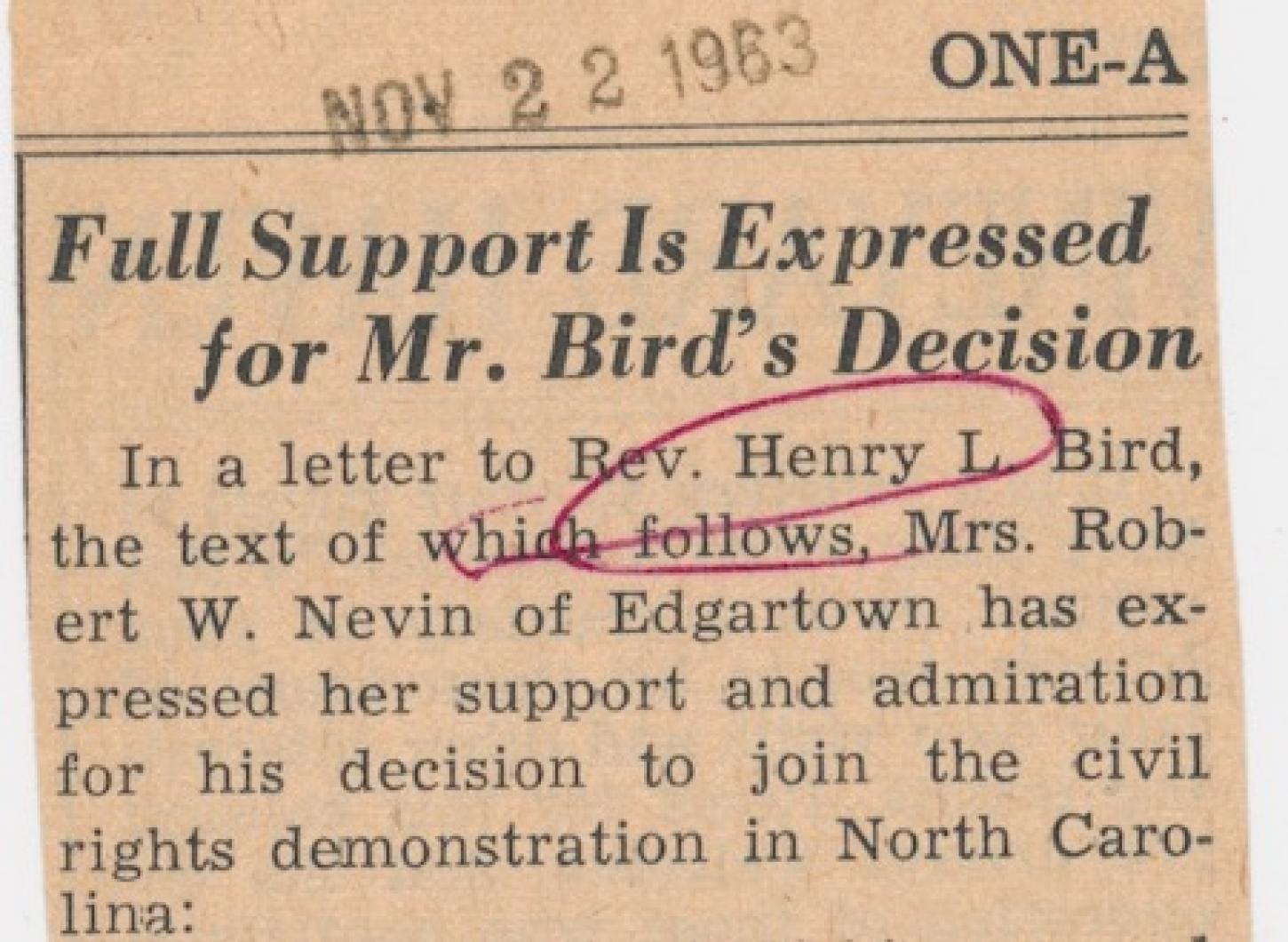
Recently during a meeting with high school seniors to talk about the civil rights movement, I learned their graduation was on May 17.
“Wow,” I exclaimed. “How wonderful to be graduating on such a historic day.” Seated at a round table in front of me, all of the students looked at me quizzically.
“You do know the significance of May 17?” I asked, only to be met with the same uncomprehending looks.
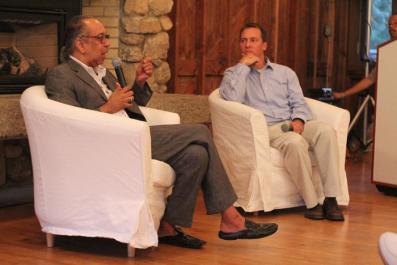
As playwright, theatre and film director George C. Wolfe tells it, the event which first motivated him toward the arts was the same one that led him to his latest ambitious project, presenting the history of the American civil rights movement.
That moment, which set him on his course toward the arts, the plaudits for his stage and screen work, the Tony awards, and now the new job as chief creative officer for the nascent National Center for Civil and Human Rights, came in 1964 when he was a boy of 10, in the small town of Franklin, Ky.
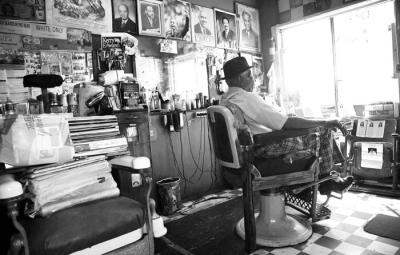
On Wednesday, August 10, at 5 p.m. there will be a screening of the short film The Barber of Birmingham at the Katharine Cornell Theatre in Vineyard Haven. The film is part of the ninth annual Martha’s Vineyard African-American Film Festival taking place here on the Island, beginning today, August 9, and running through Saturday, August 13.
An atmosphere of hatred prevailed in America when the improbable alliance of black and white people, Christians and Jews, men and women, joined in 1909 to form the National Association for the Advancement of Colored People, the NAACP.
Patricia Sullivan, author of Lift Every Voice: The NAACP and the Making of the Civil Rights Movement, will put the audience into history when she speaks on Wednesday, Oct. 13, at 7 p.m. at the Vineyard Haven Public Library.
As author Tom Peters once said, “Leaders don’t create followers, they create more leaders.” This idea supports the foundation upon which the Weekend Renewing America’s Promise (WRAP) retreat was established, and on Friday evening the group heard from respected civil rights leader Julian Bond, now the chairman of the NAACP.
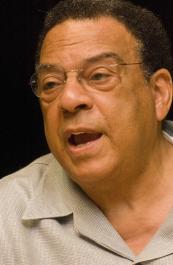
Andrew Young never formally studied economics. But he learned early in his time as a civil rights leader what a powerful tool for good it could be.
“Young people look back now and think the civil rights movement was about marching, getting beat up and bit by dogs, but the whole civil rights movement was really about the economy,” he said yesterday.
“The economic withdrawal campaign was what really changed the South.”