

Polly Hill Arboretum Celebrates Twenty Years With Twenty Iconic Trees
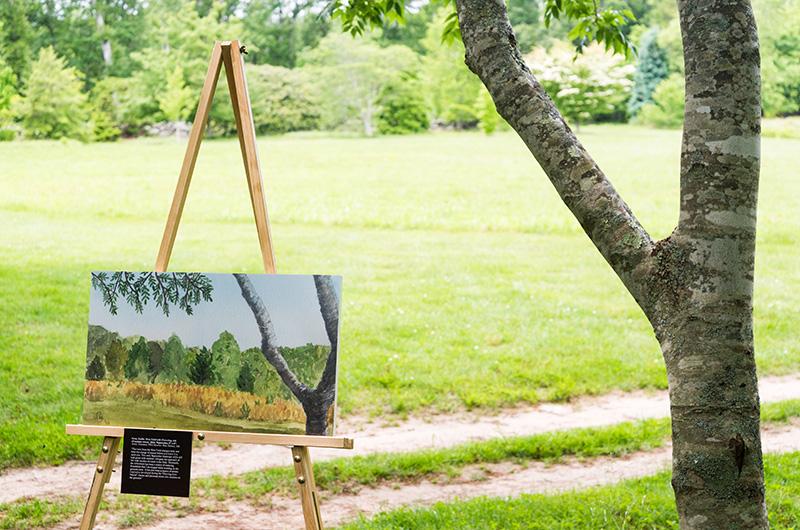
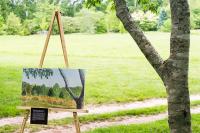
Polly Hill Arboretum celebrates 20 years open to the public.
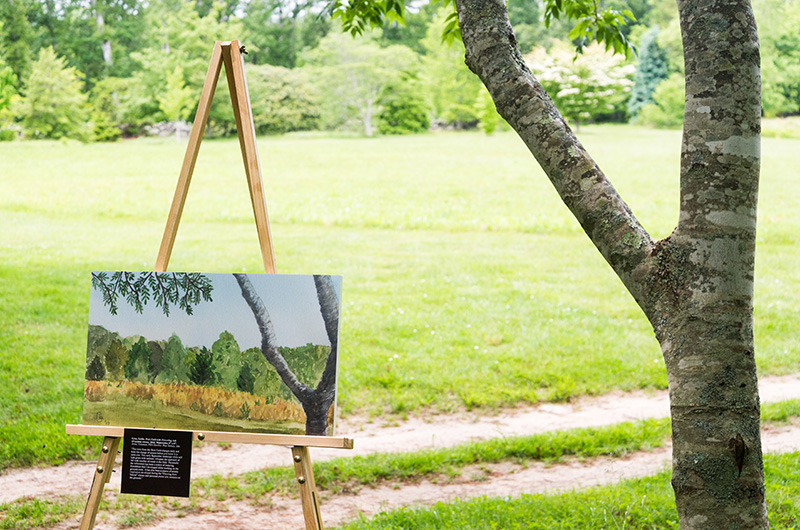
Polly Hill Arboretum celebrates 20 years open to the public.
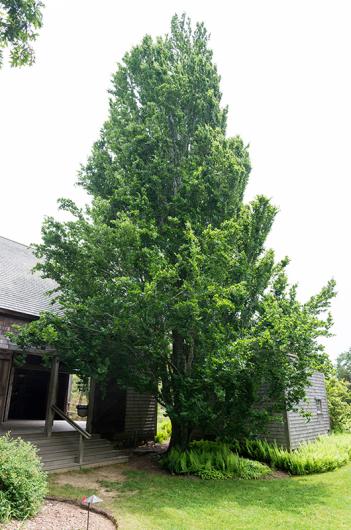
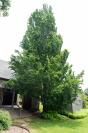
Fastigiate European Beech was Polly Hill's first planting.
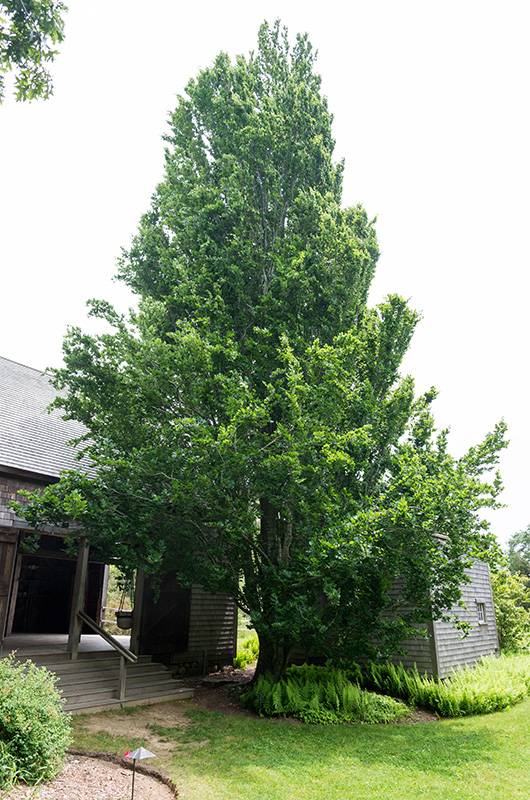
Fastigiate European Beech was Polly Hill's first planting.
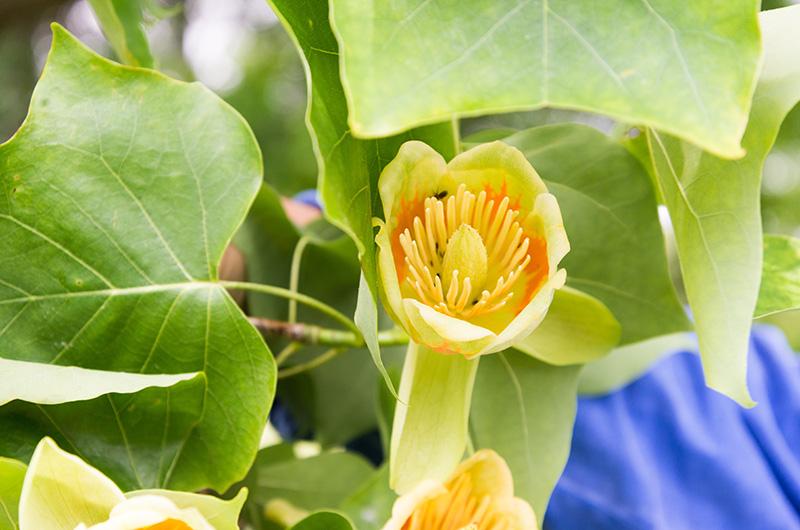
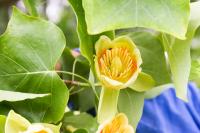
Tulip poplar's flower.
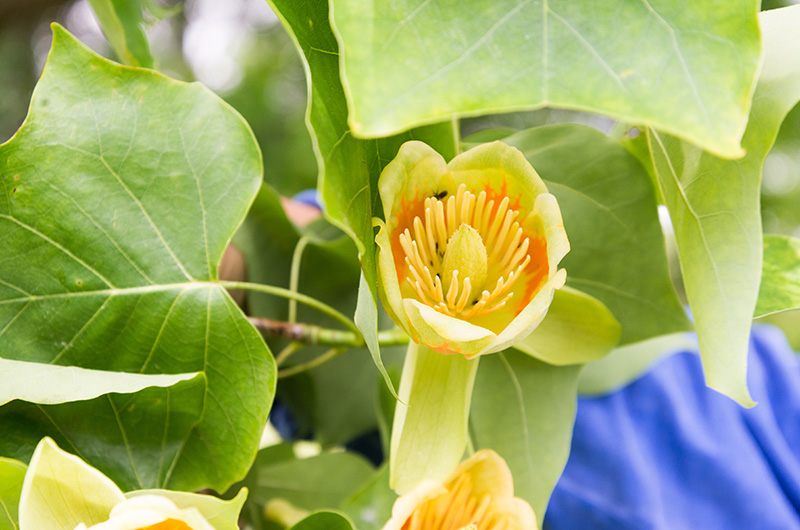
Tulip poplar's flower.
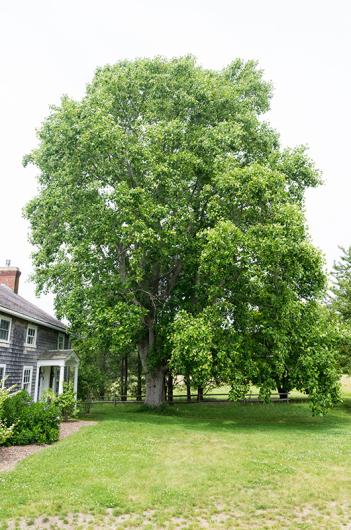
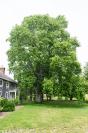
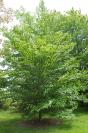
Tulip poplar (liriodendron tulipifera) is also known as the tulip tree.
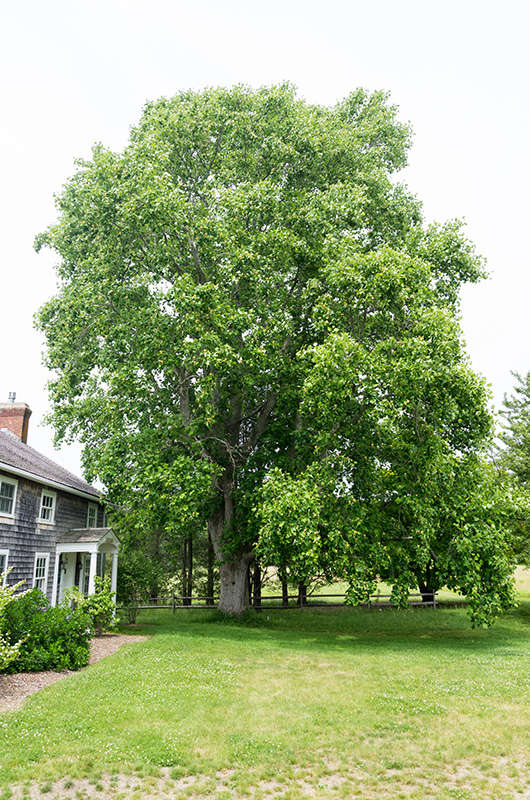
Tulip poplar (liriodendron tulipifera) is also known as the tulip tree.
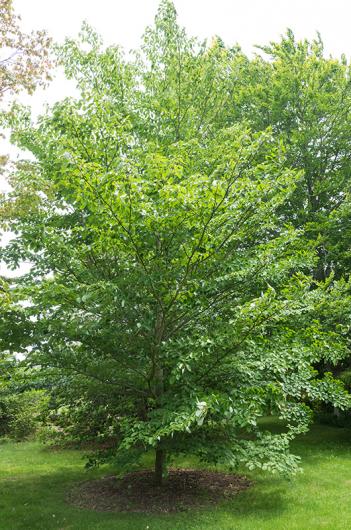
Giant dogwood (cornus controversa).
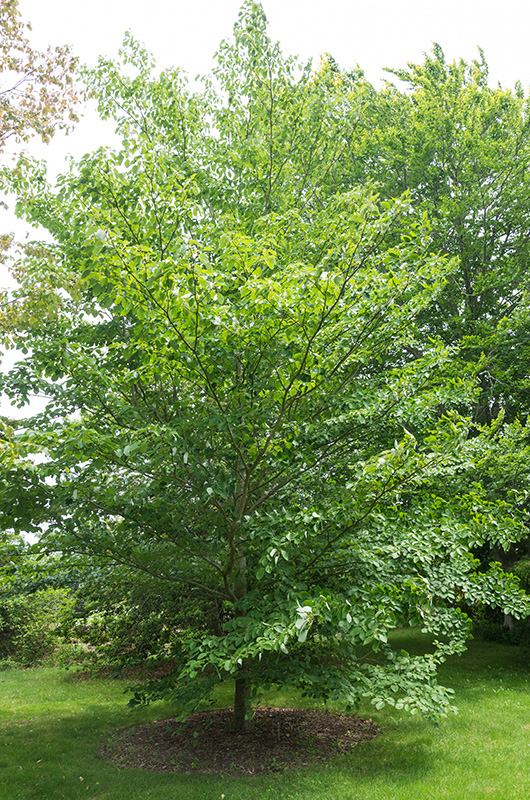
Giant dogwood (cornus controversa).
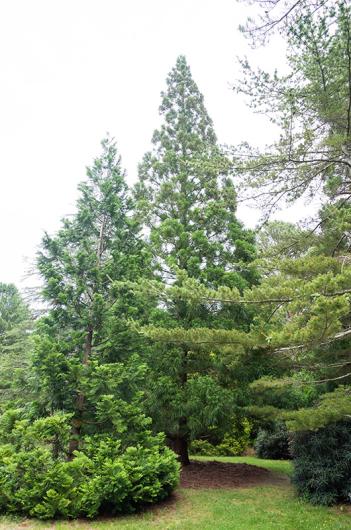
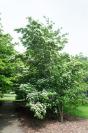
Yoshino Japanese red cedar (cryptomeria japonica Yoshino).
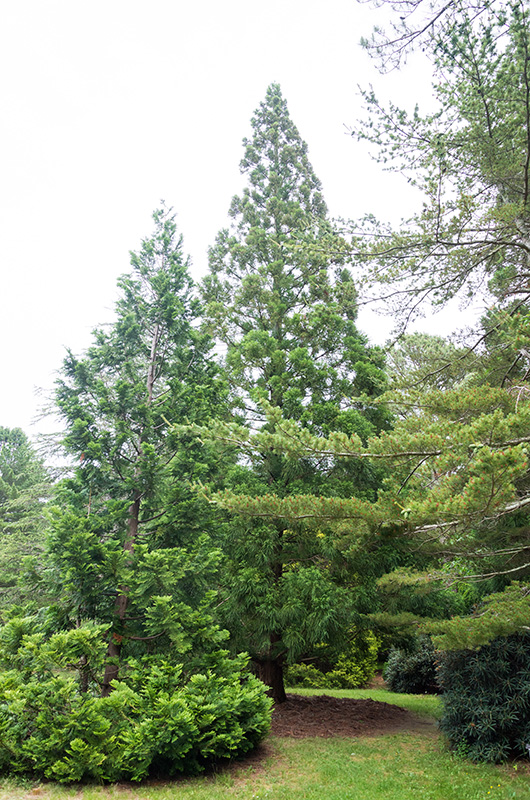
Yoshino Japanese red cedar (cryptomeria japonica Yoshino).
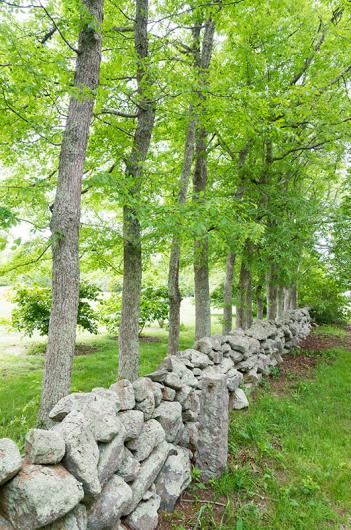
Beetlebung (nyssa sylvatica) is commonly known as tupelo, black gum or sour gum.
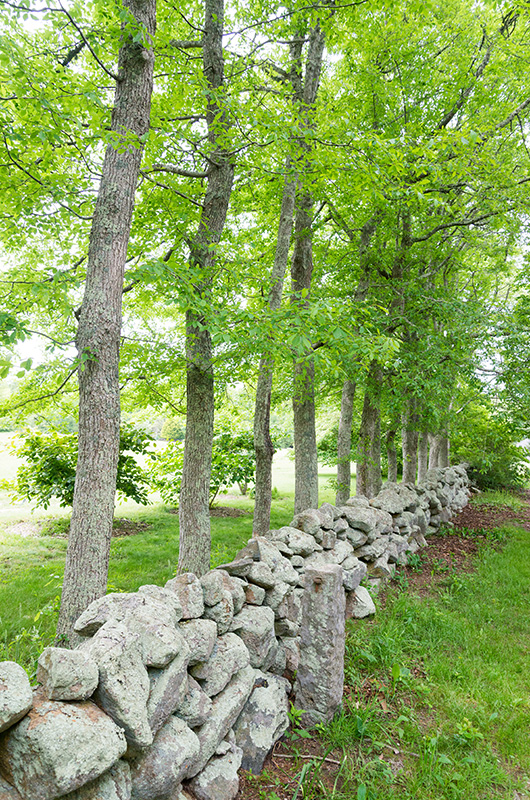
Beetlebung (nyssa sylvatica) is commonly known as tupelo, black gum or sour gum.
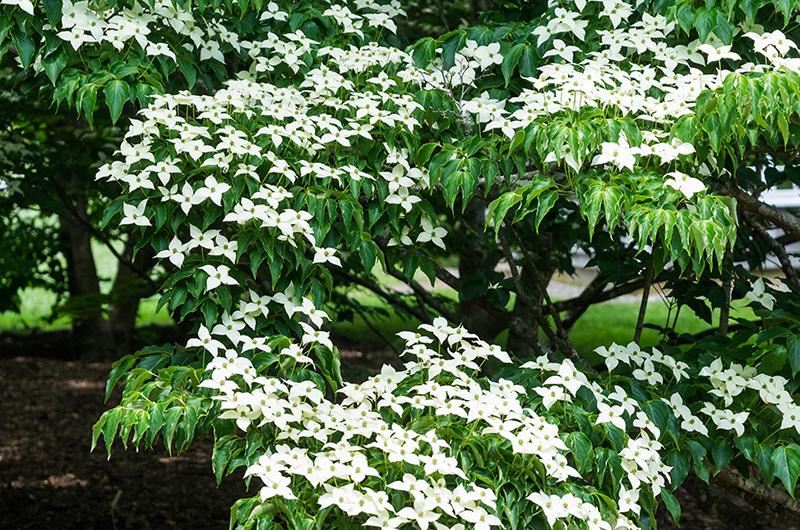
Kousa dogwoods are blooming now.
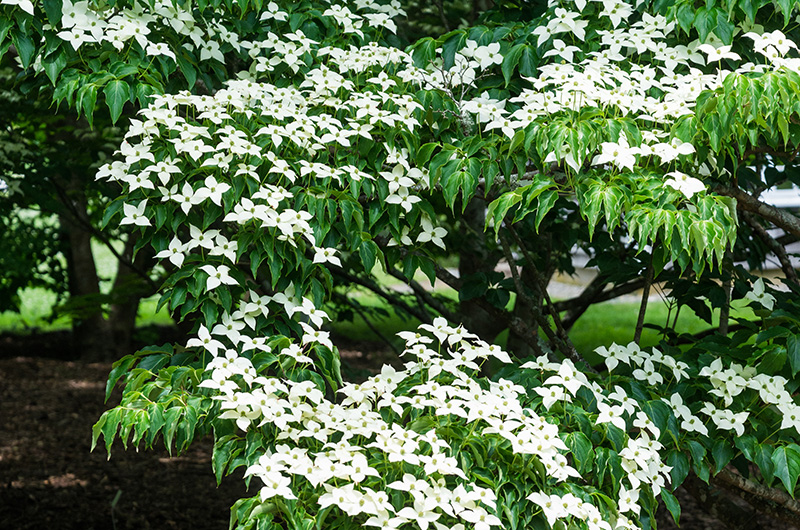
Kousa dogwoods are blooming now.
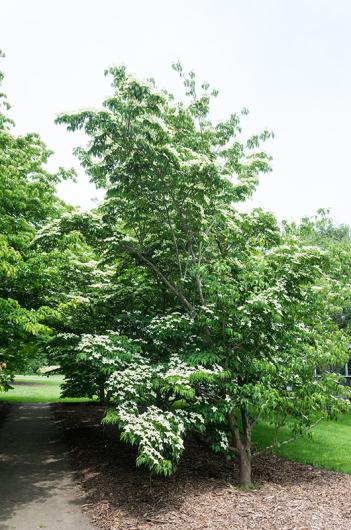
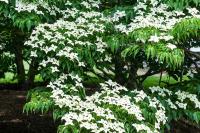
Kousa dogwood (cornus kousa).
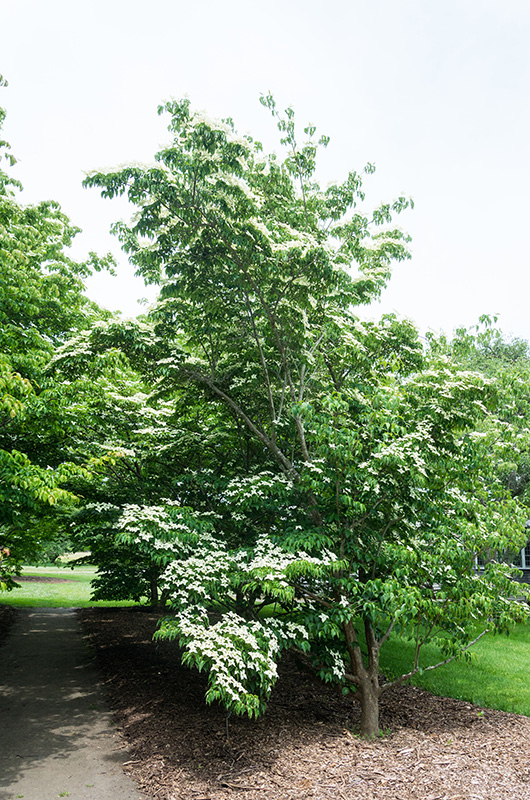
Kousa dogwood (cornus kousa).
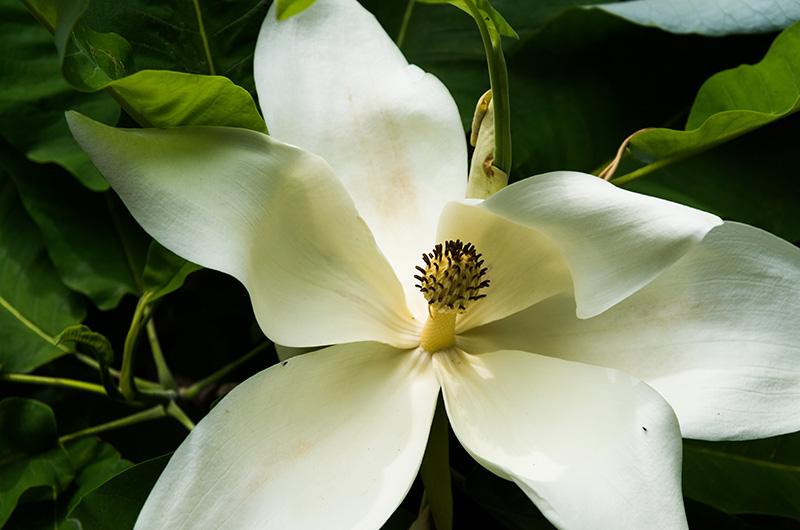
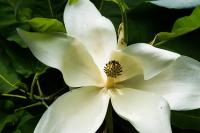
Julian big-leaf magnolia's creamy flower.
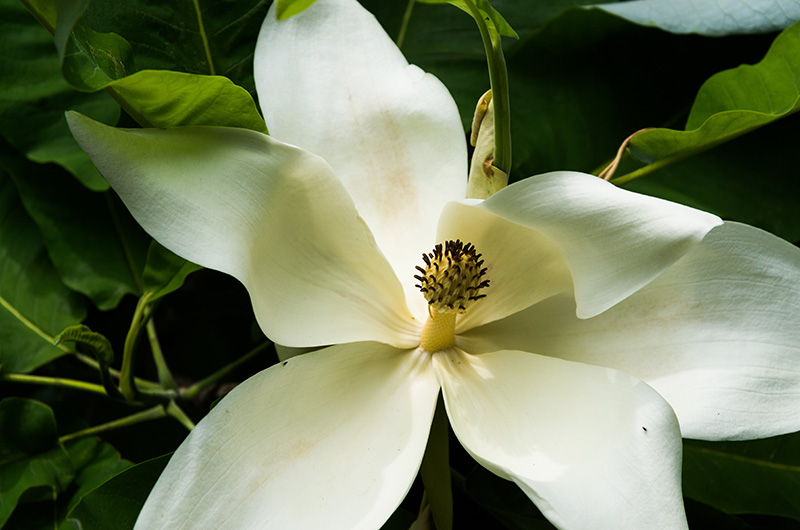
Julian big-leaf magnolia's creamy flower.
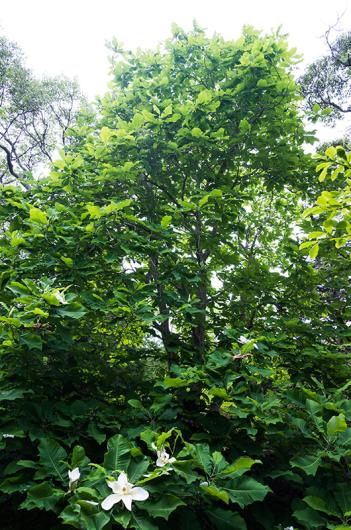
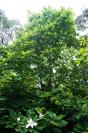
Julian big-leaf magnolia (magnolia macrophylla Julian) named after Polly's husband.
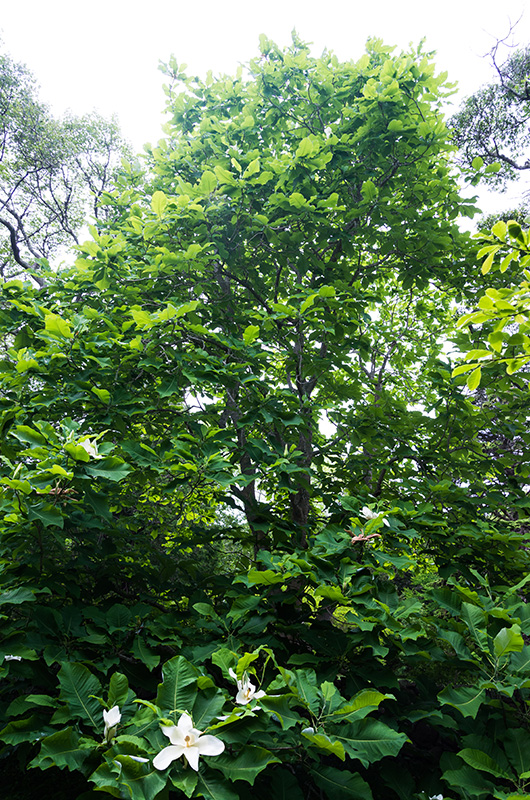
Julian big-leaf magnolia (magnolia macrophylla Julian) named after Polly's husband.
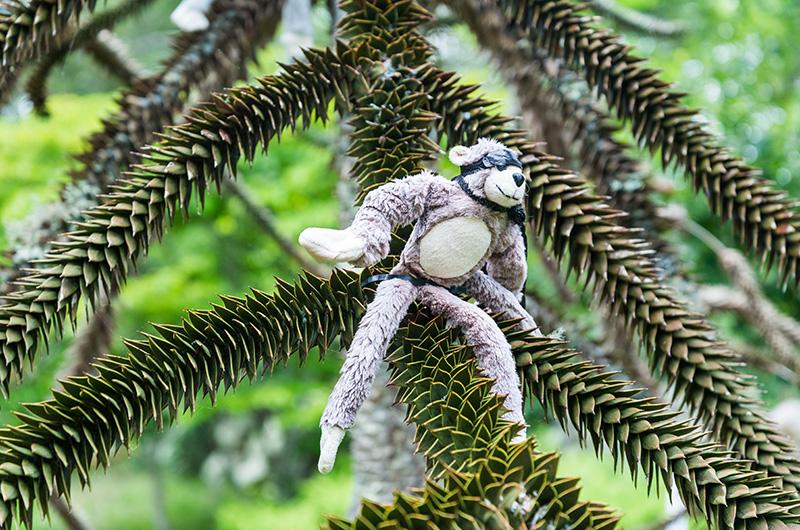
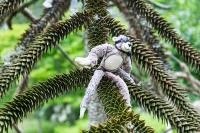
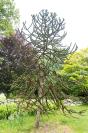
A little humor in the monkey-puzzle tree.
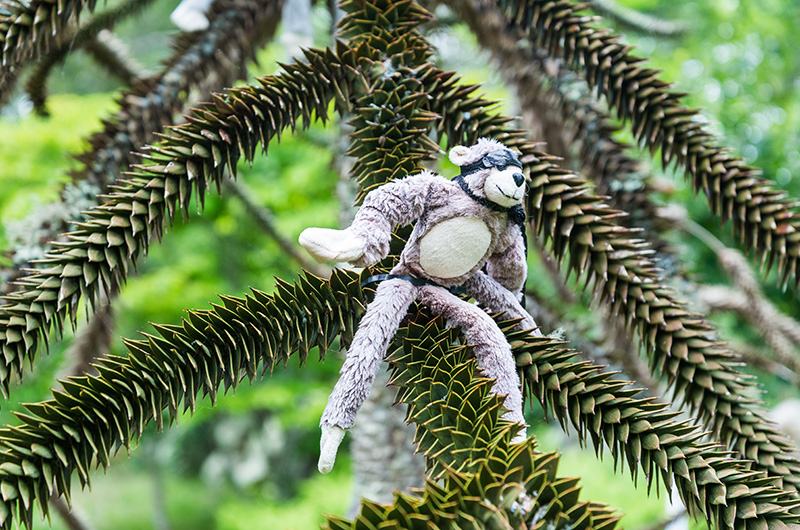
A little humor in the monkey-puzzle tree.
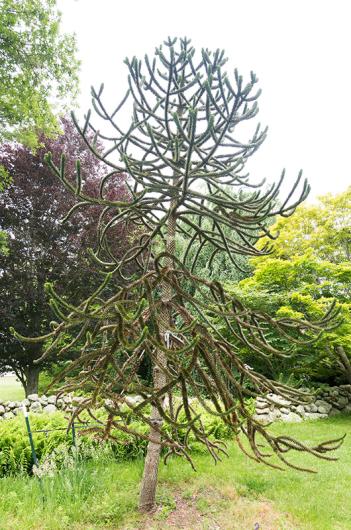
Monkey-puzzle tree (araucaria araucana).
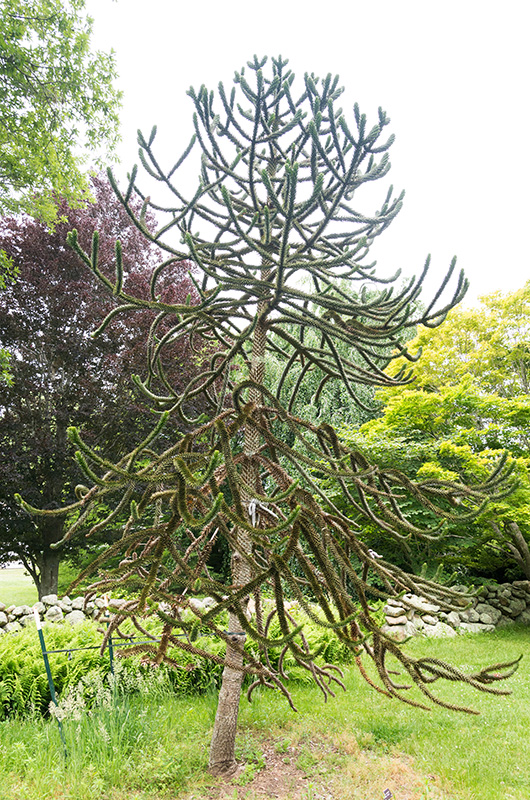
Monkey-puzzle tree (araucaria araucana).
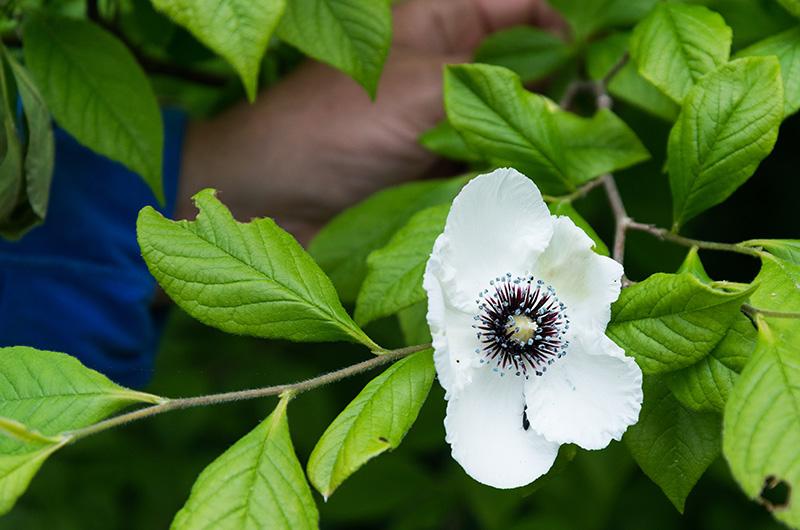
Silky stewartia is also known as the silky camellia.
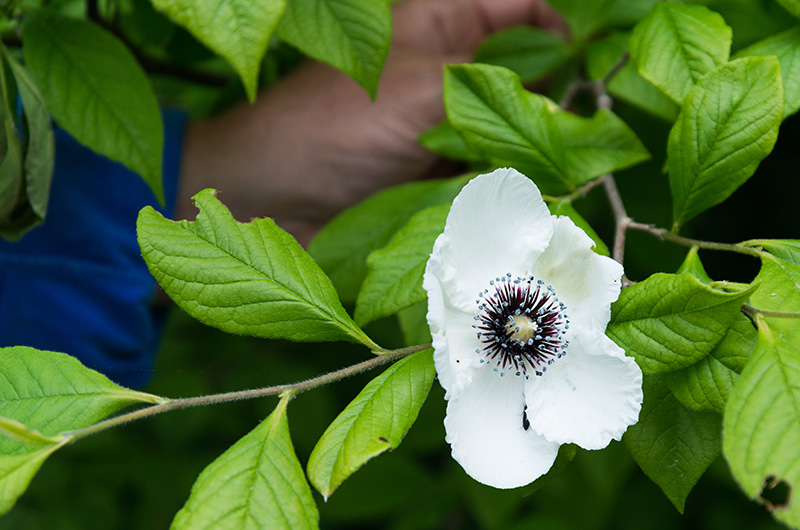
Silky stewartia is also known as the silky camellia.
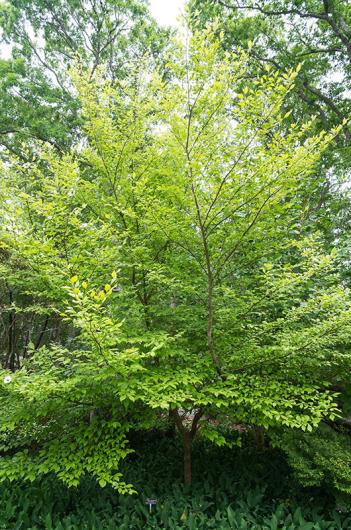
Silky stewartia (stewartia malacodendon).
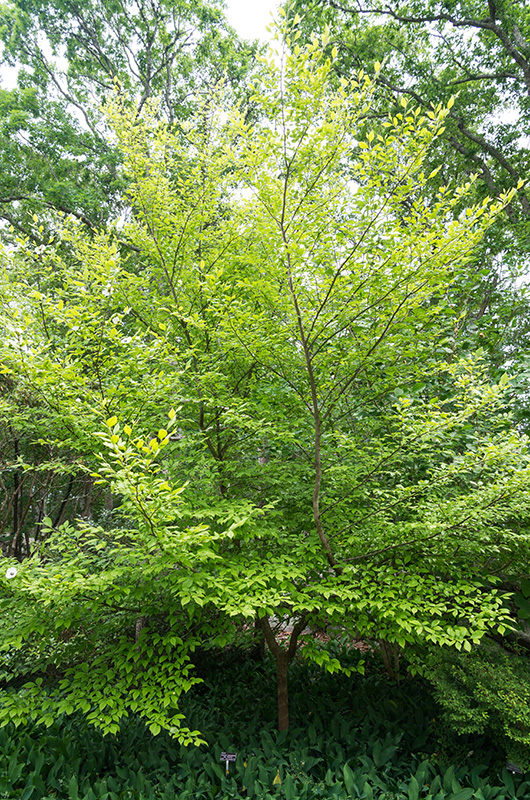
Silky stewartia (stewartia malacodendon).
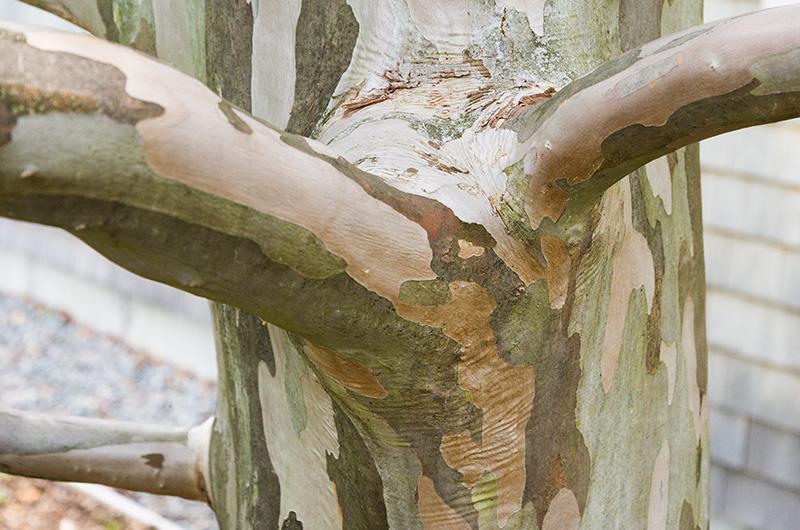
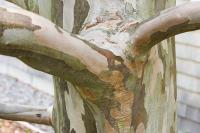
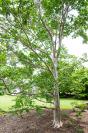
Distinctive bark of Japanese stewartia.
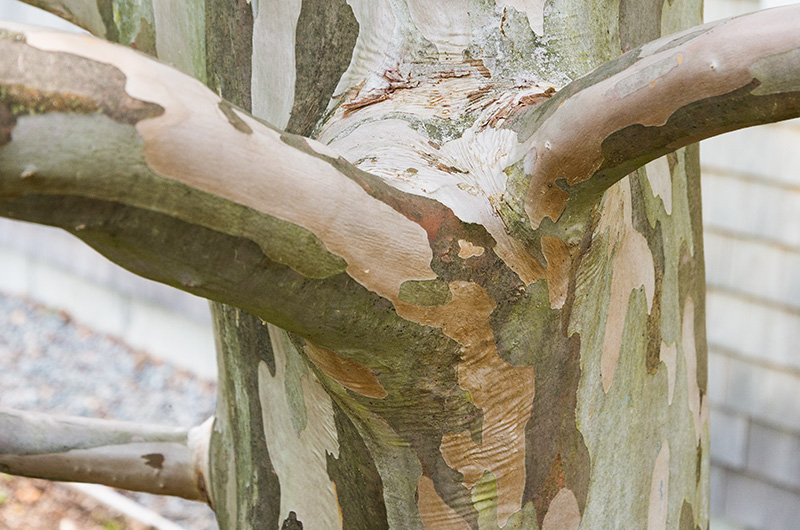
Distinctive bark of Japanese stewartia.
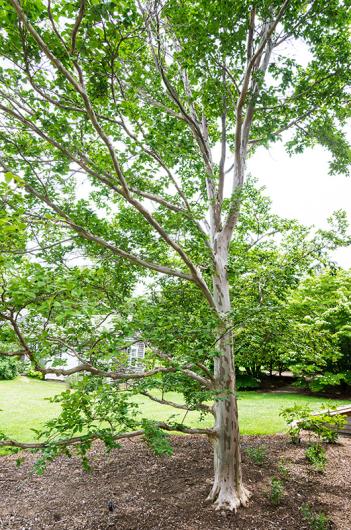
Japanese stewartia (stewartia pseudocamellia).
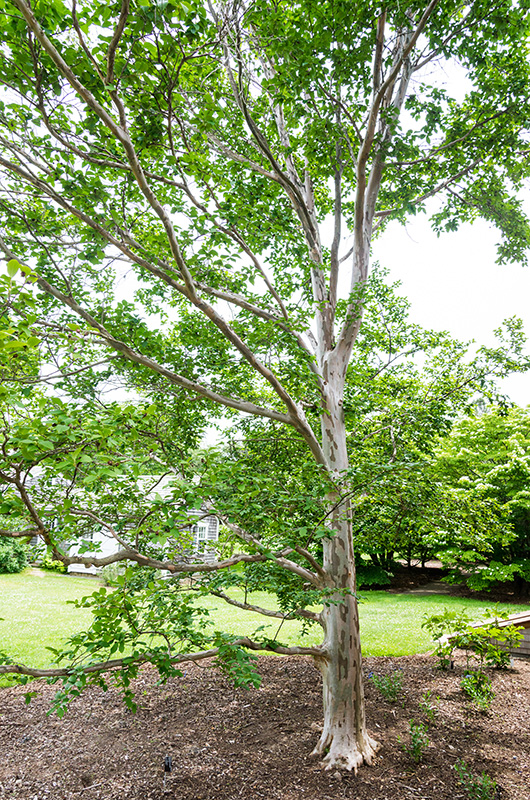
Japanese stewartia (stewartia pseudocamellia).
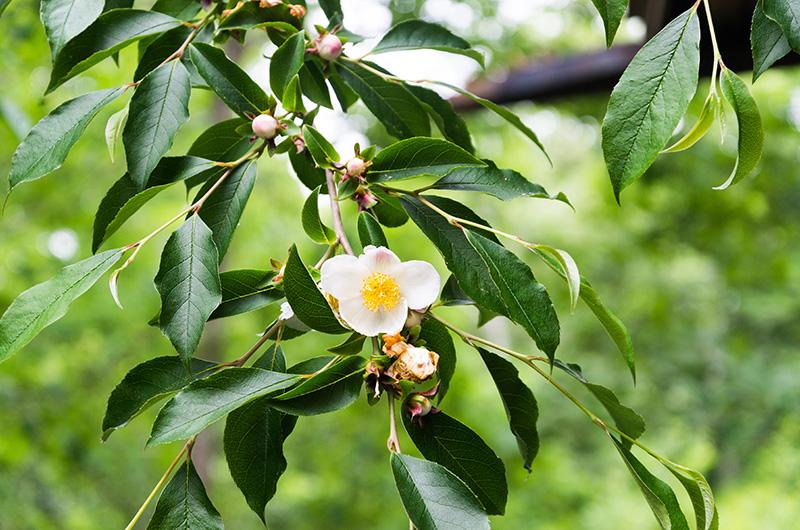
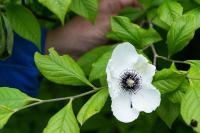
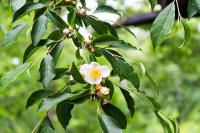
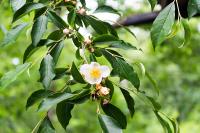
Beaked stewartia features white flowers with orange stamen.
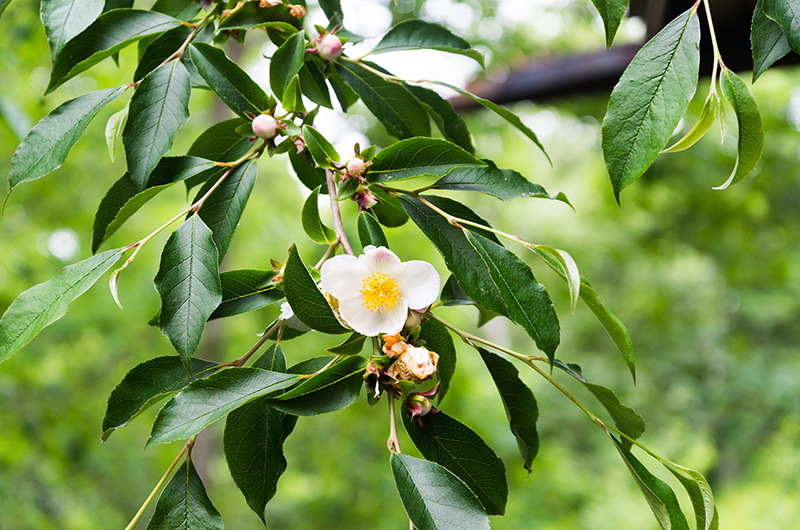
Beaked stewartia features white flowers with orange stamen.
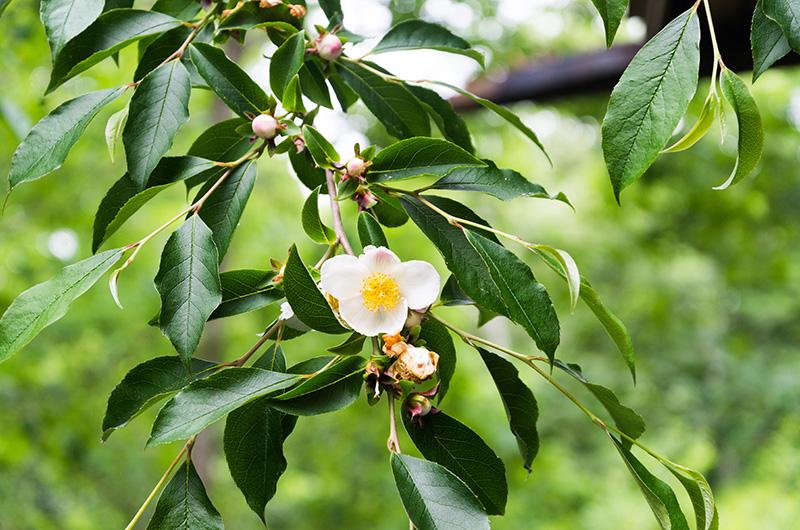
Beaked stewartia (stewartia rostrata).
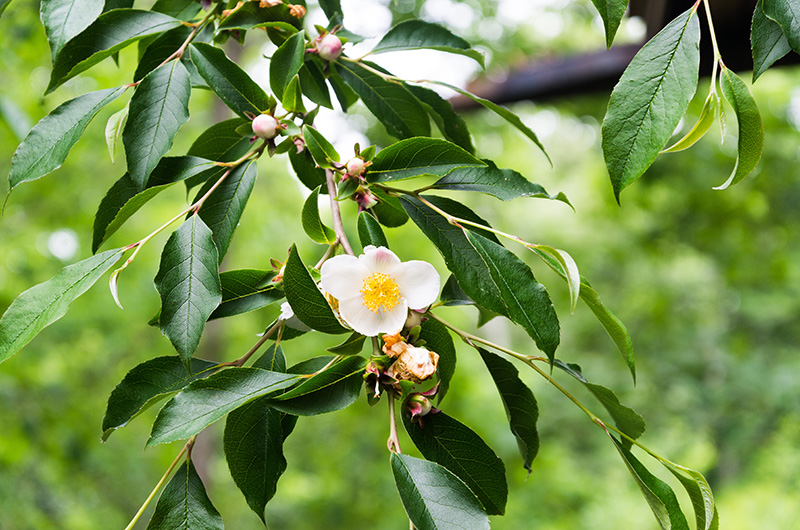
Beaked stewartia (stewartia rostrata).
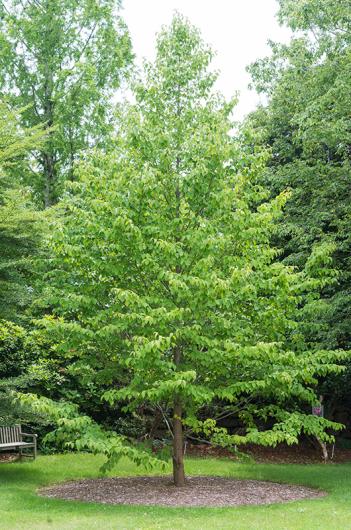
Dove tree (davidia involucrata) can be called the handkerchief tree or ghost tree.
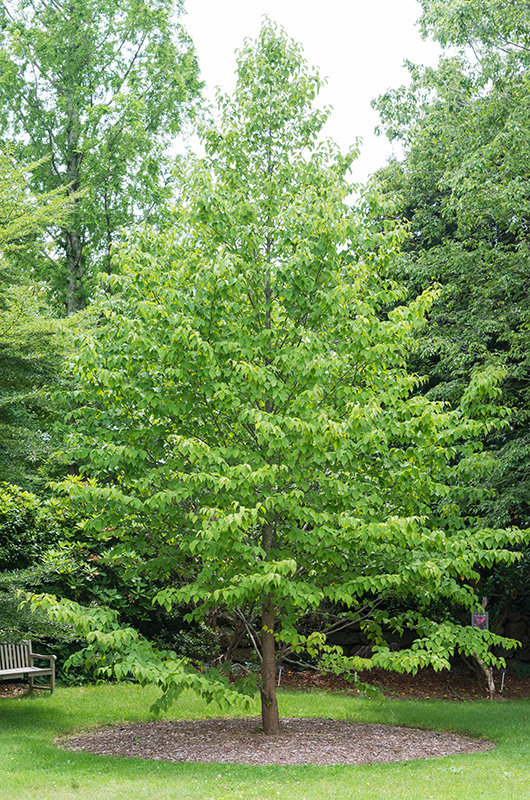
Dove tree (davidia involucrata) can be called the handkerchief tree or ghost tree.
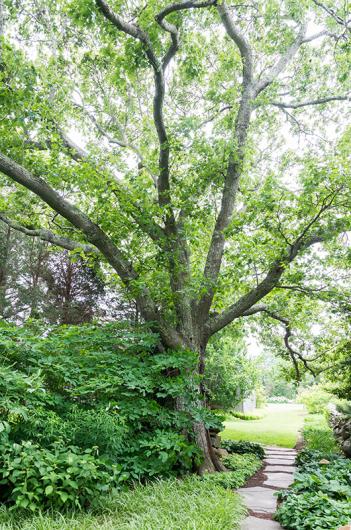
Black Oak (quercus velutina).
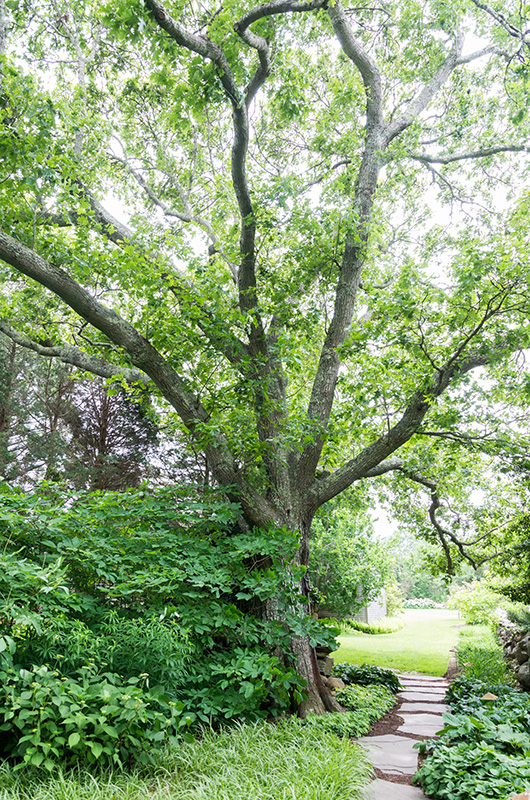
Black Oak (quercus velutina).
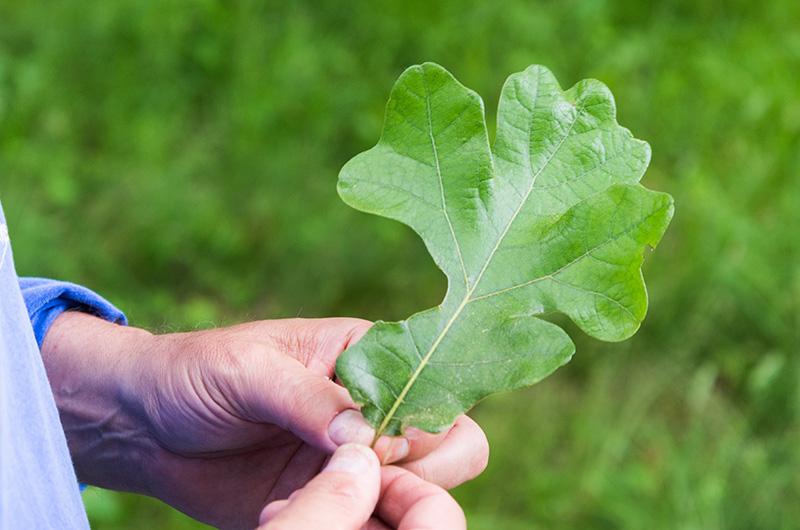
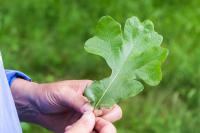
Post oak is identifiable by the rounded cross-like shape formed by the leaf lobes.
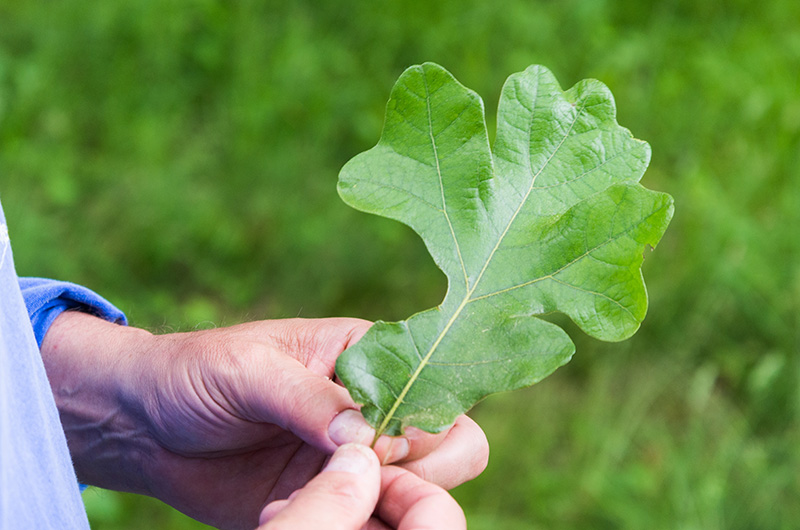
Post oak is identifiable by the rounded cross-like shape formed by the leaf lobes.
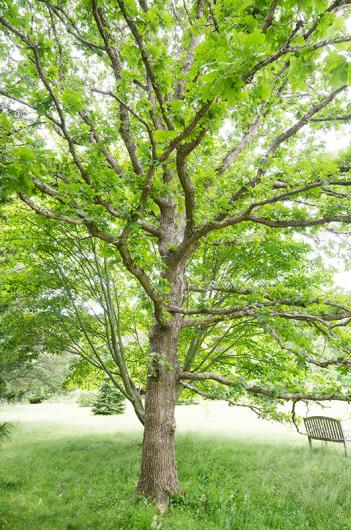
Post oak (quercus stellata) is resistant to rot, fire, and drought.
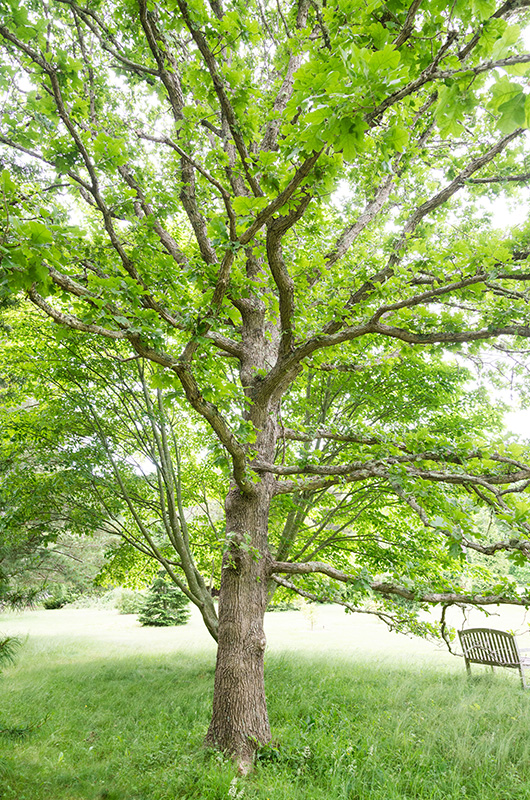
Post oak (quercus stellata) is resistant to rot, fire, and drought.
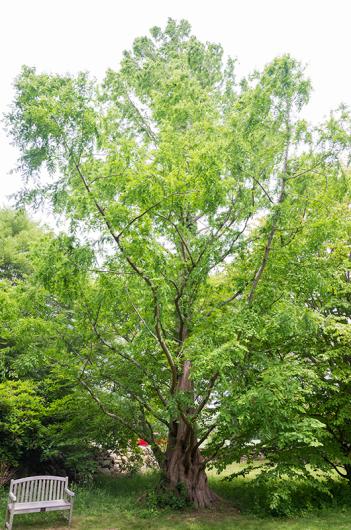
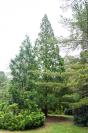
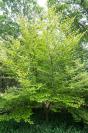
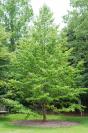
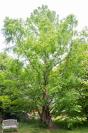
Dawn redwood (metasequoia glyptostroboides) is native to China.
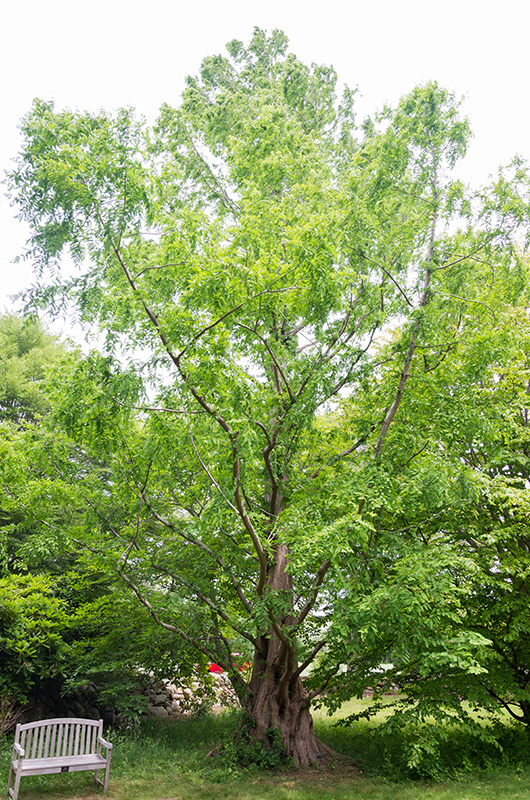
Dawn redwood (metasequoia glyptostroboides) is native to China.
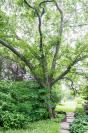
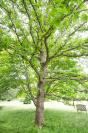
Celebrating its 20th anniversary, the Polly Hill Arboretum is offering a Twenty Iconic Trees tour, a series of walks that teaches visitors about some of the most intriguing trees on the arboretum grounds.