

Planting Beach Grass to Fortify Dunes at Lobsterville
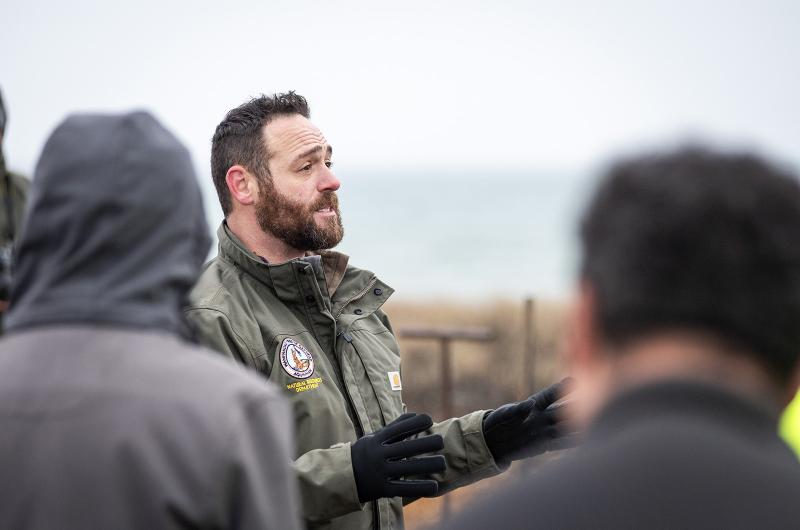
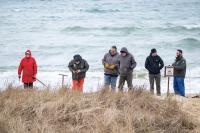
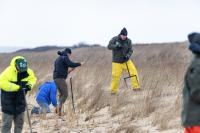
Natural resources laboratory manager Andrew Jacobs explained how the planting will work.
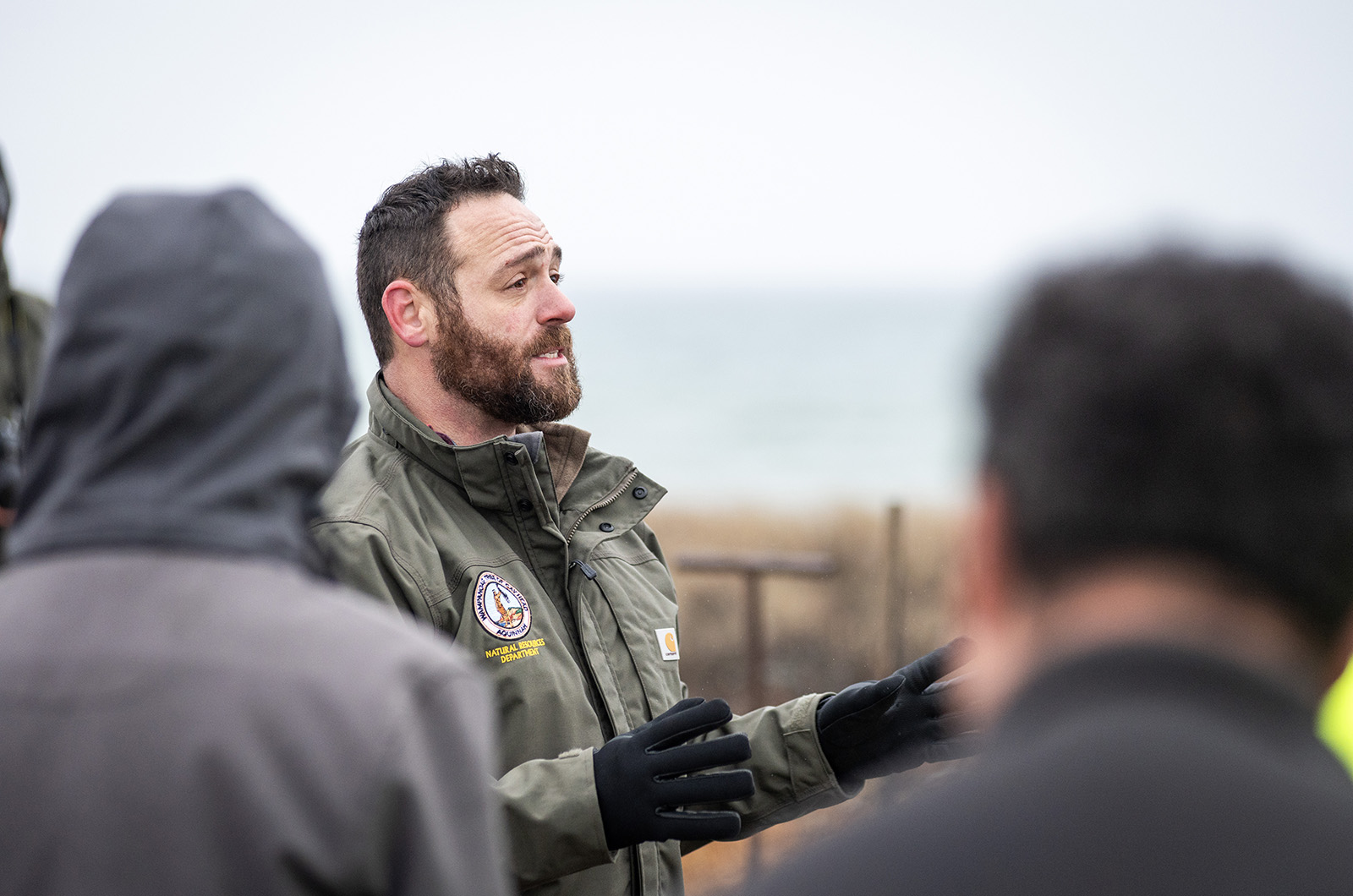
Natural resources laboratory manager Andrew Jacobs explained how the planting will work.

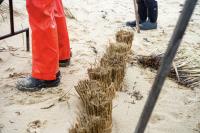
Ready to be planted.
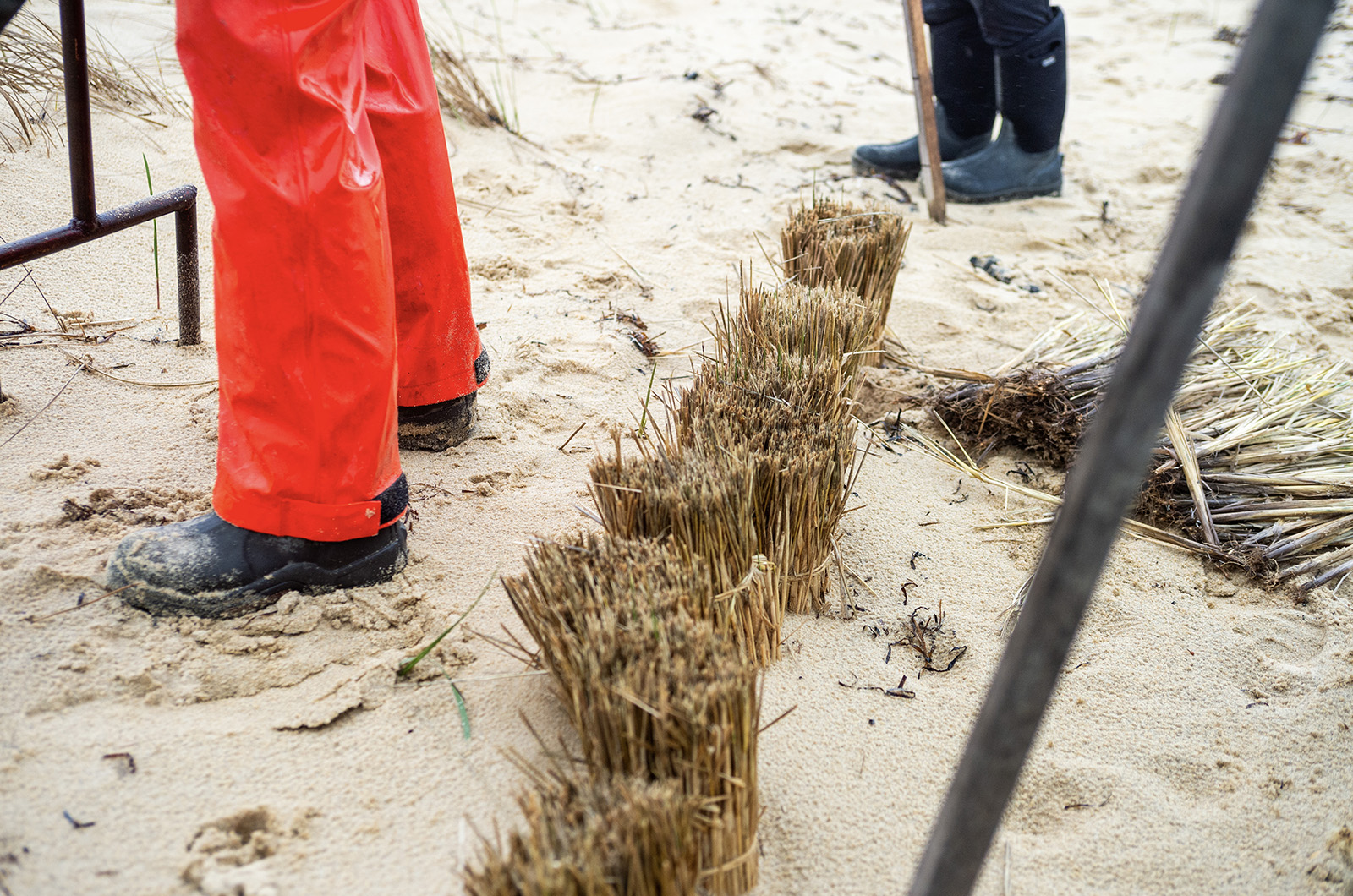
Ready to be planted.

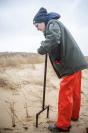
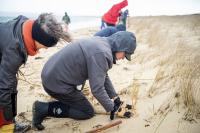
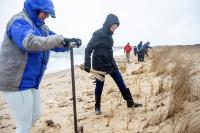
Marcella Andrews used the dibbler to prepare the holes for the beach grass.
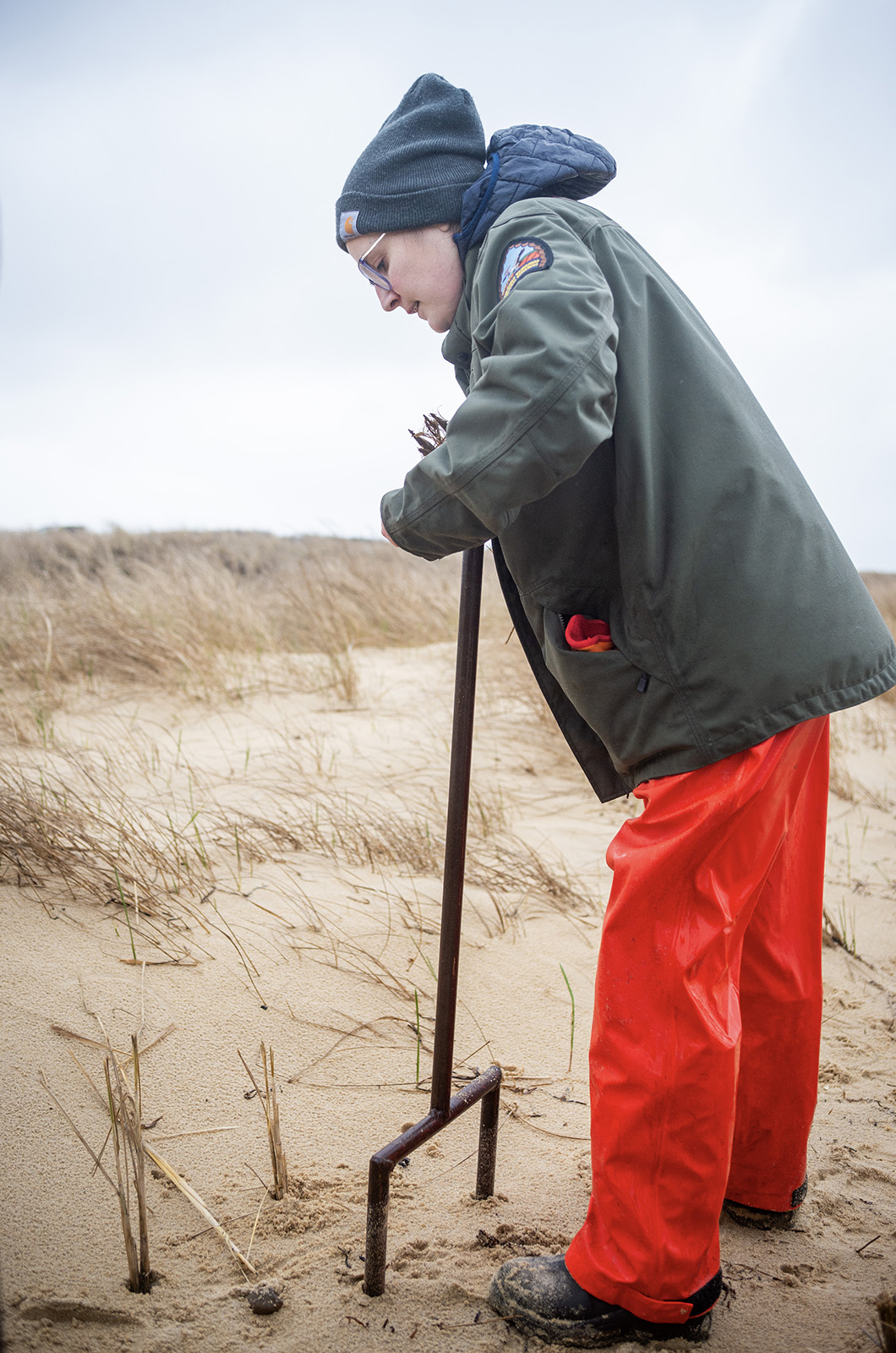
Marcella Andrews used the dibbler to prepare the holes for the beach grass.
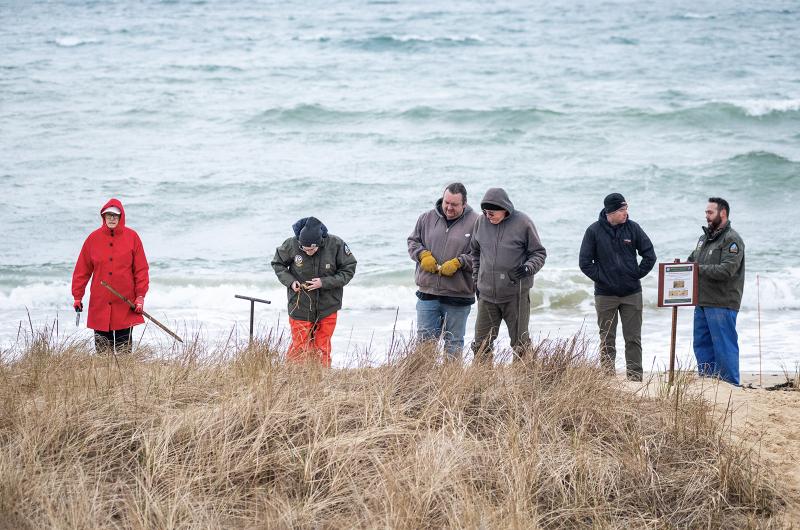
Over the past nine years the community has hand-planted over 200,000 stems, preserving a little over six acres of dunes.
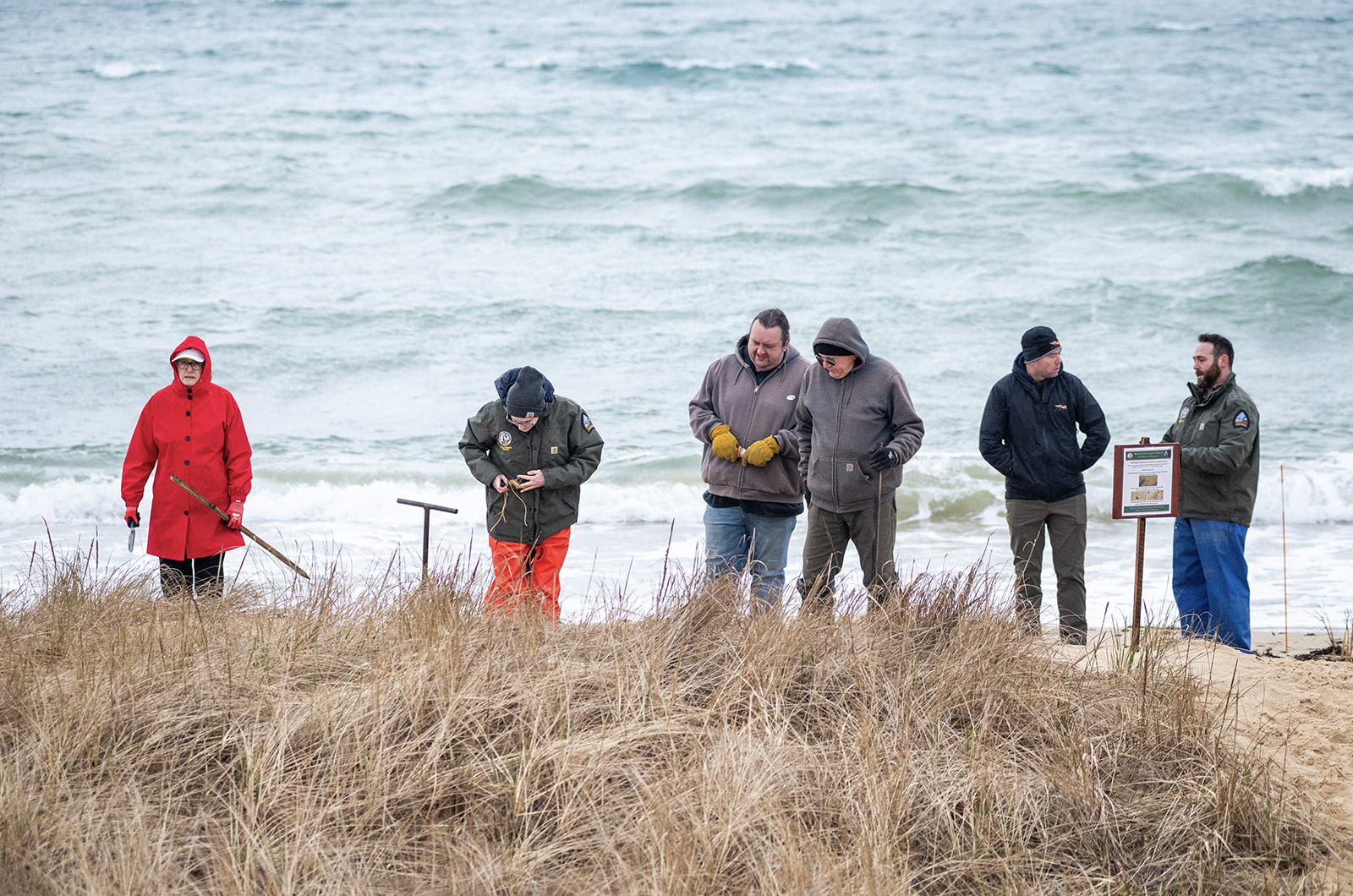
Over the past nine years the community has hand-planted over 200,000 stems, preserving a little over six acres of dunes.
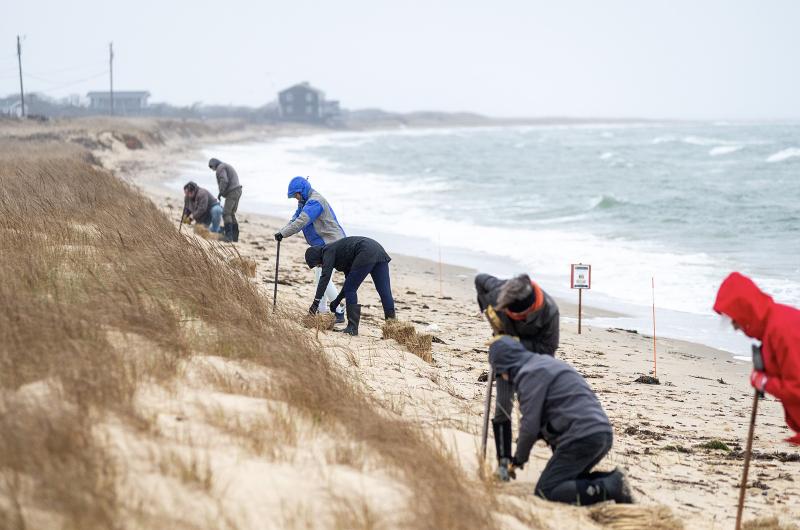
Annual event began in 2015 following damage caused by Hurricane Sandy.
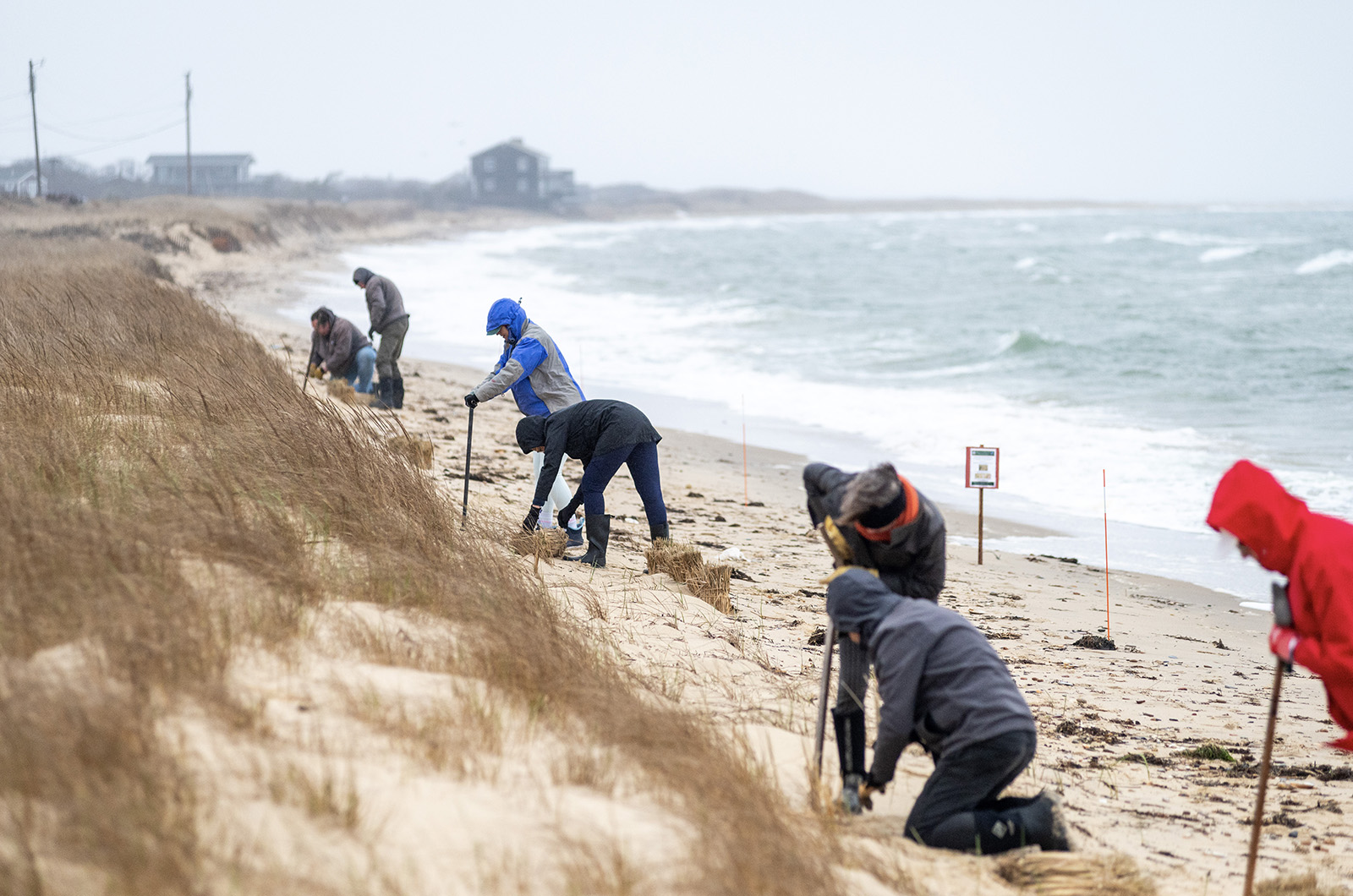
Annual event began in 2015 following damage caused by Hurricane Sandy.
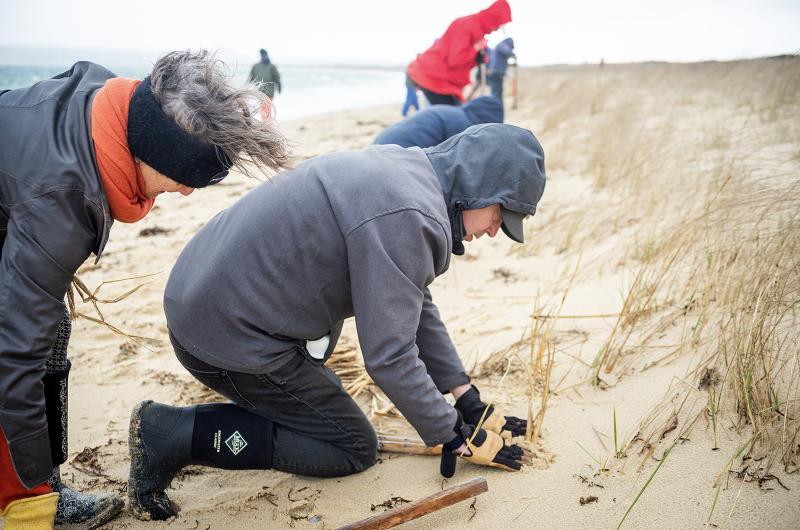
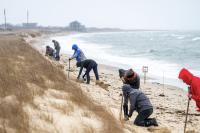
Mitzi Pratt and Flip Scipio got down to beach level to fortify the dunes.
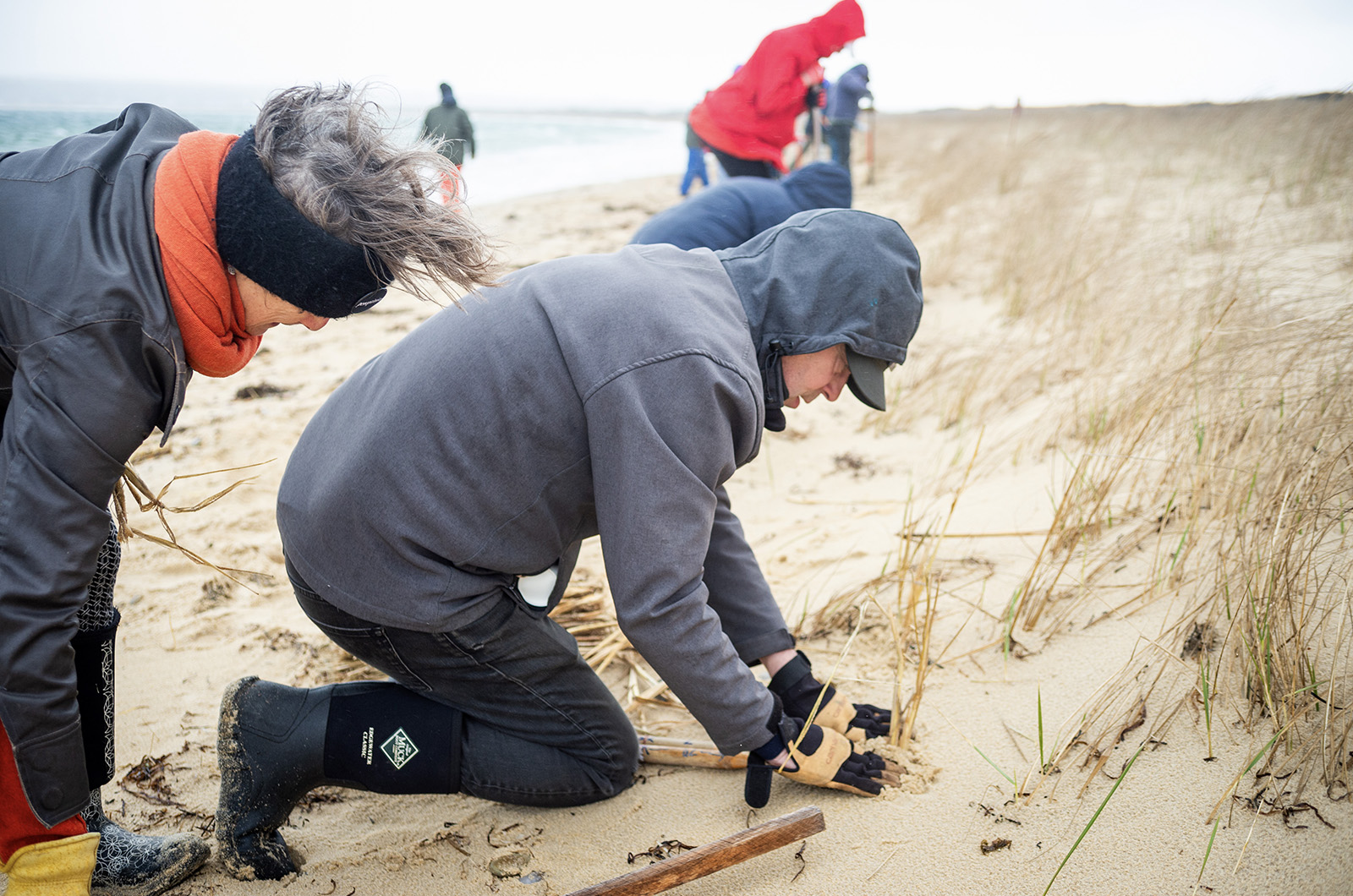
Mitzi Pratt and Flip Scipio got down to beach level to fortify the dunes.
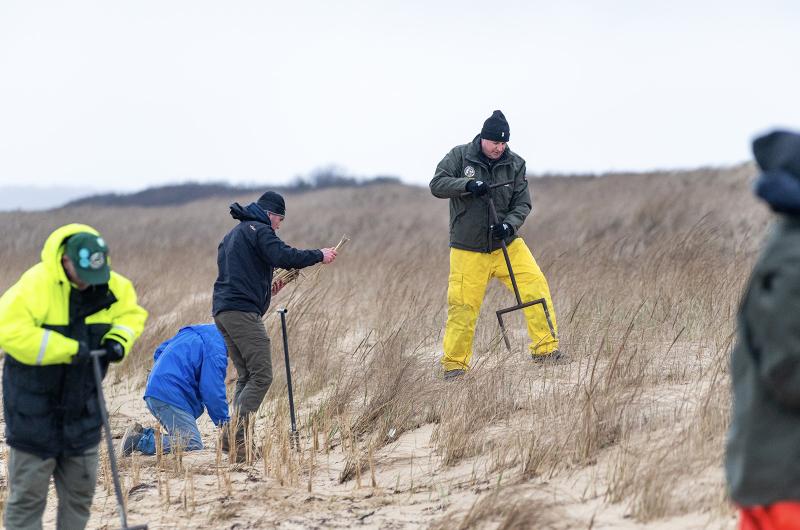
Project funding came from National Fish and Wildlife grant to mitigate impacts from coastal storms.
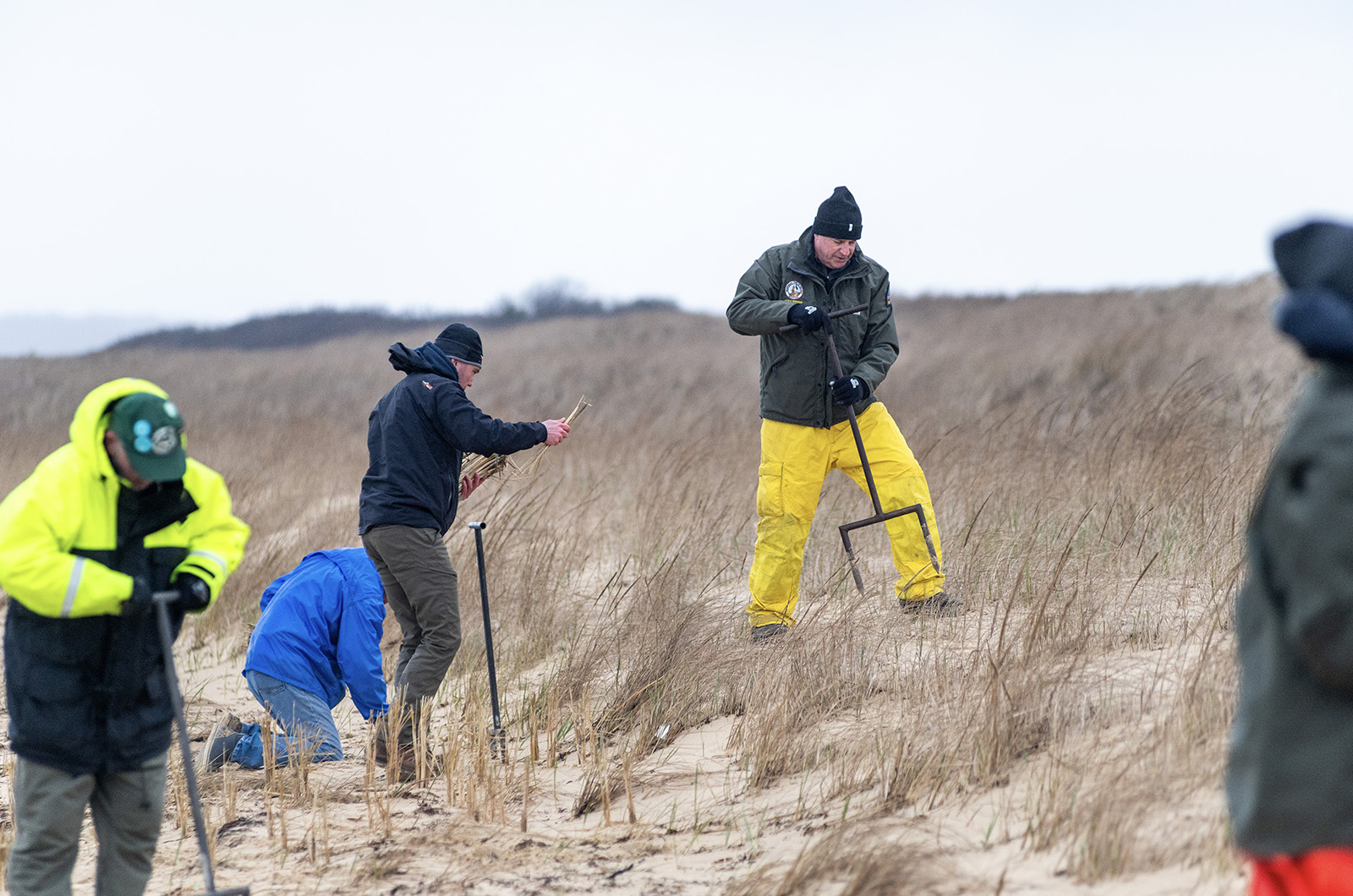
Project funding came from National Fish and Wildlife grant to mitigate impacts from coastal storms.

Aquinnah select board member Tom Murphy volunteered his time Saturday.
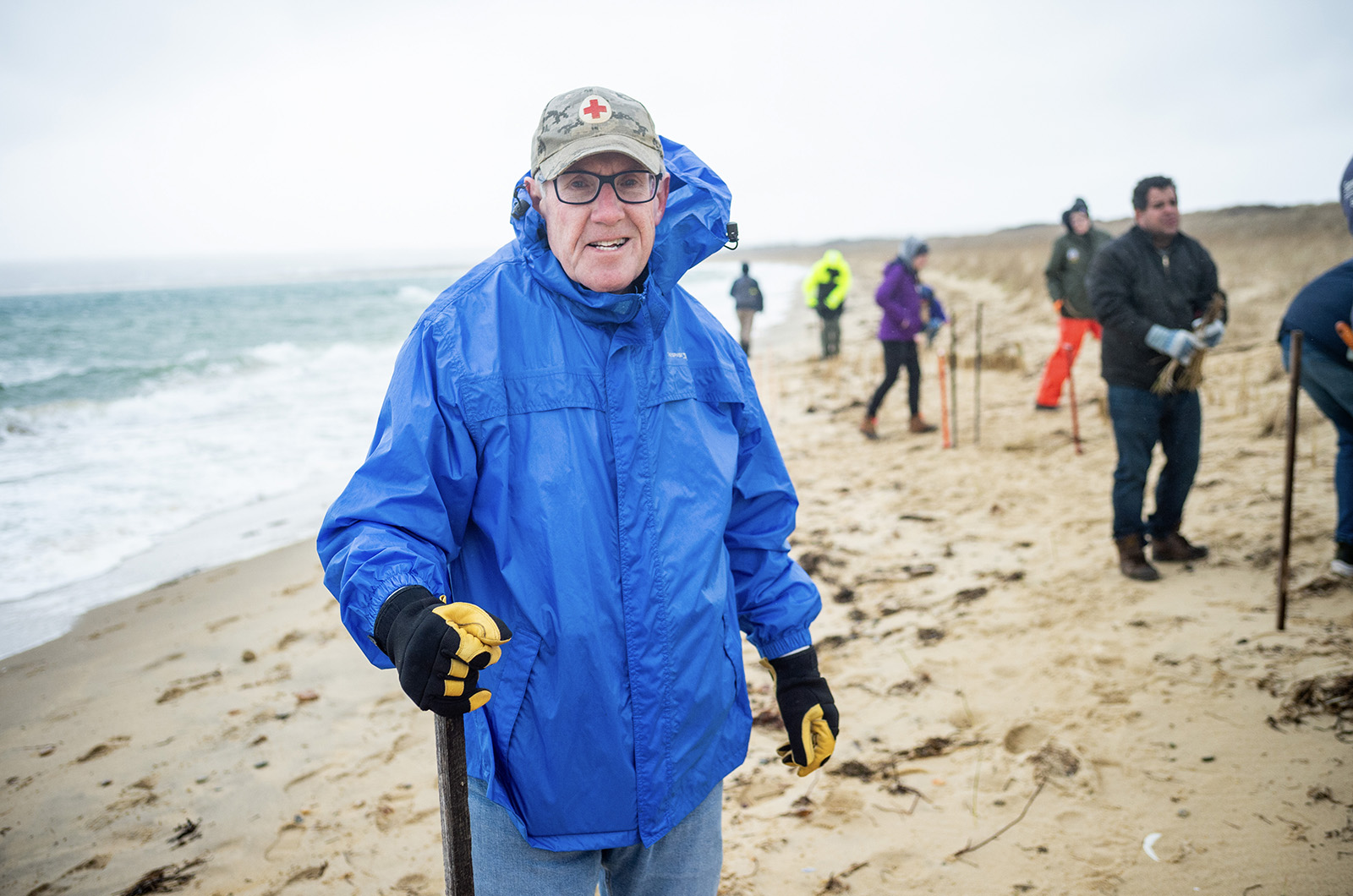
Aquinnah select board member Tom Murphy volunteered his time Saturday.
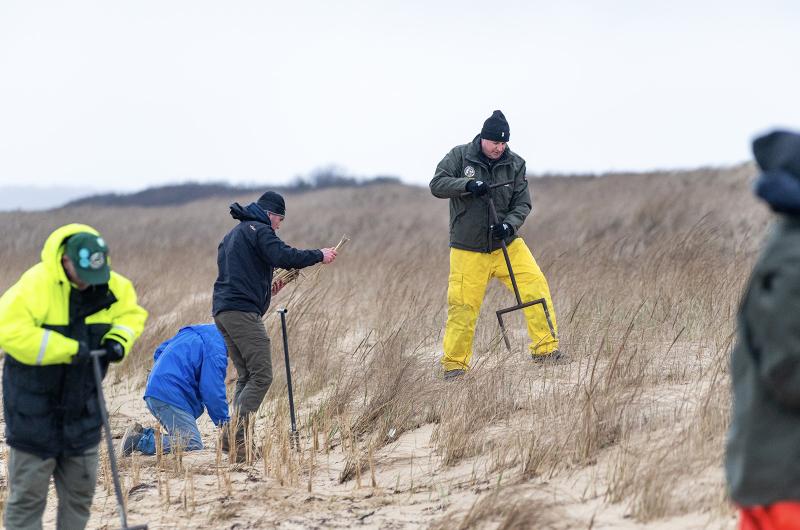
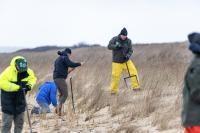
Bret Stearns supervised the volunteers.
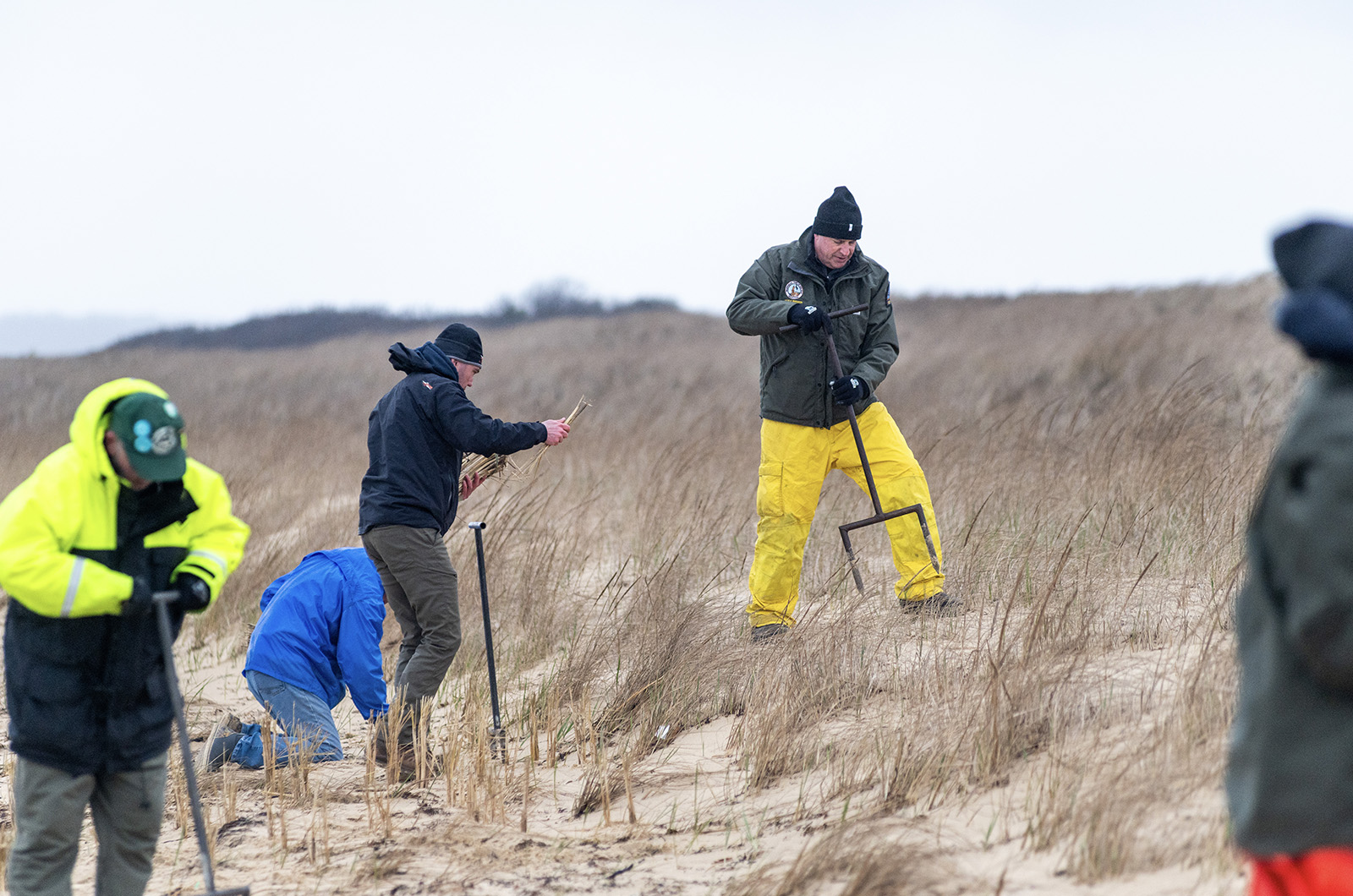
Bret Stearns supervised the volunteers.
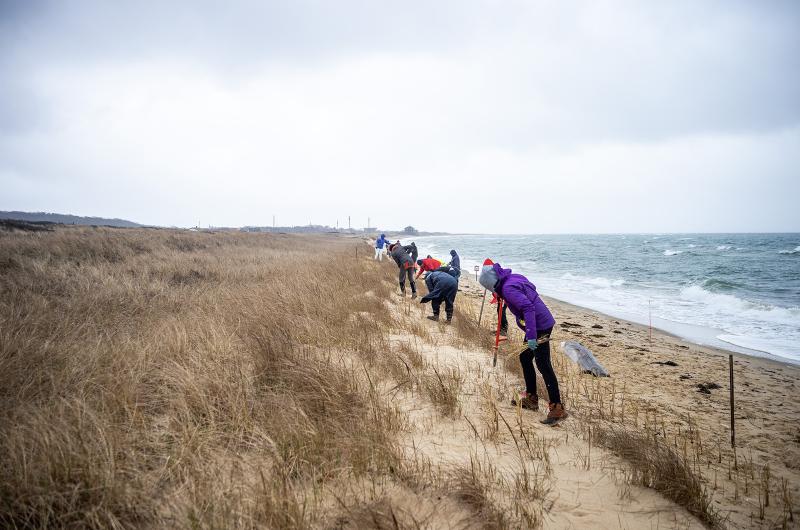
The beach grass, specifically called ammophila breviligulata, acts as an essential buffer against sea water and high winds.
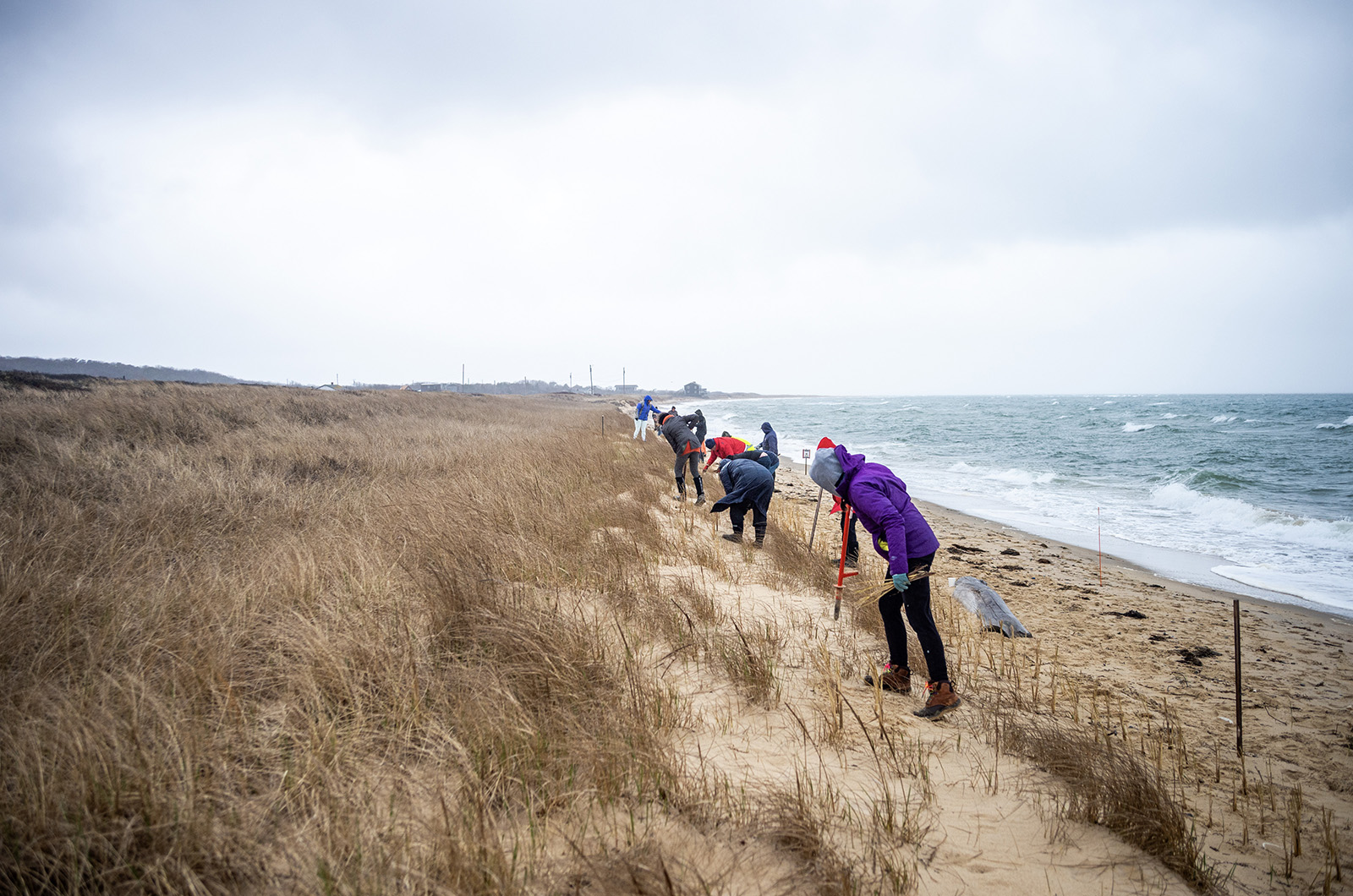
The beach grass, specifically called ammophila breviligulata, acts as an essential buffer against sea water and high winds.
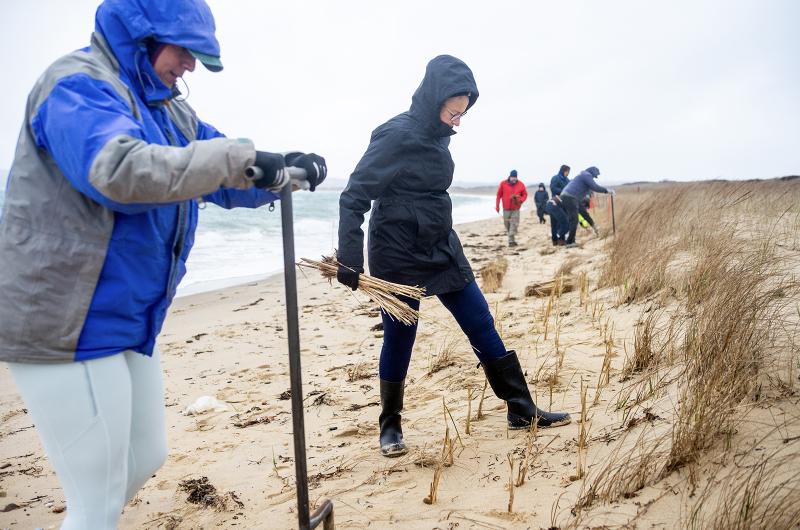
Lisa and Kelly Crisp battle the weather to plant grass.
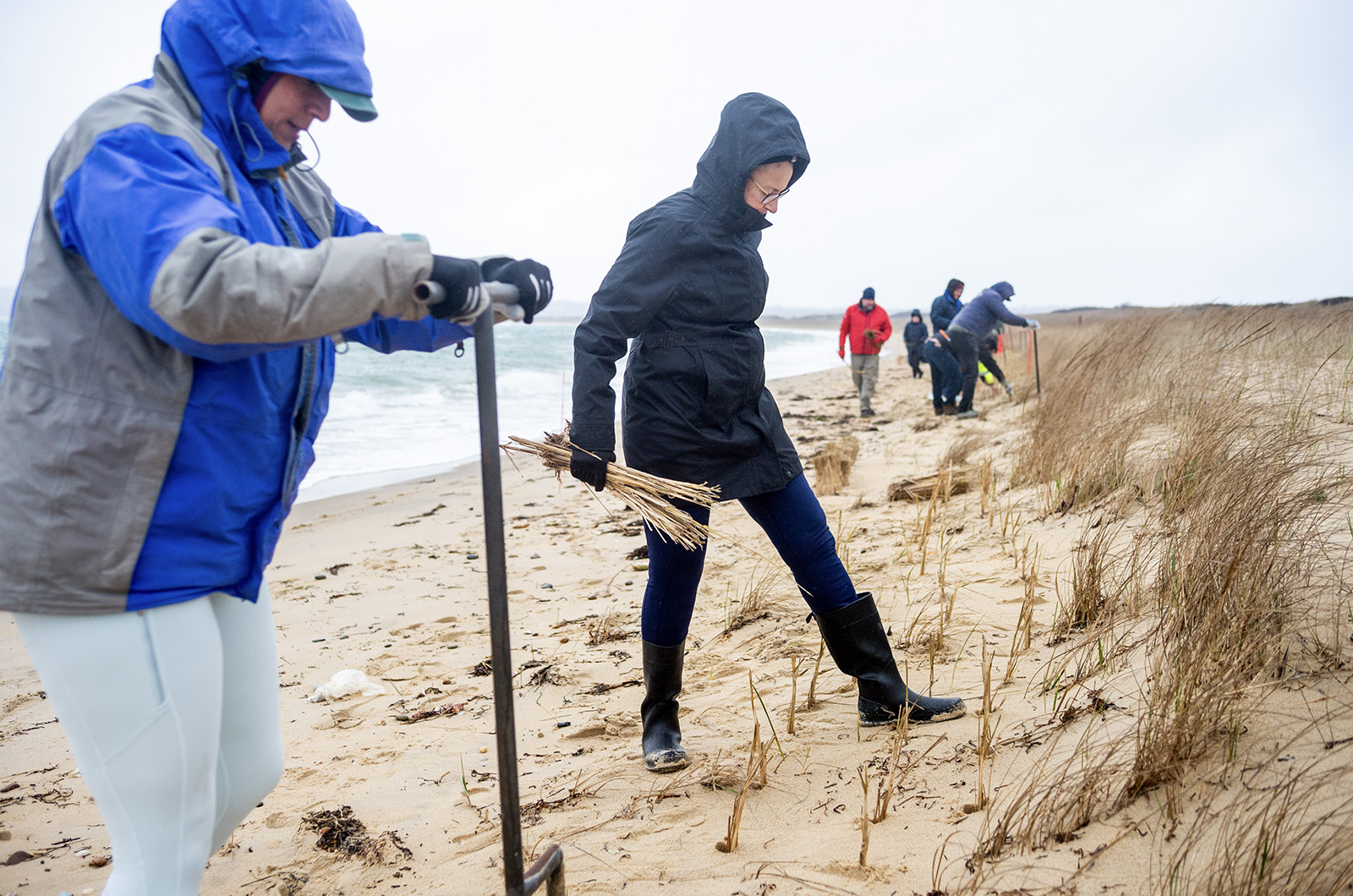
Lisa and Kelly Crisp battle the weather to plant grass.
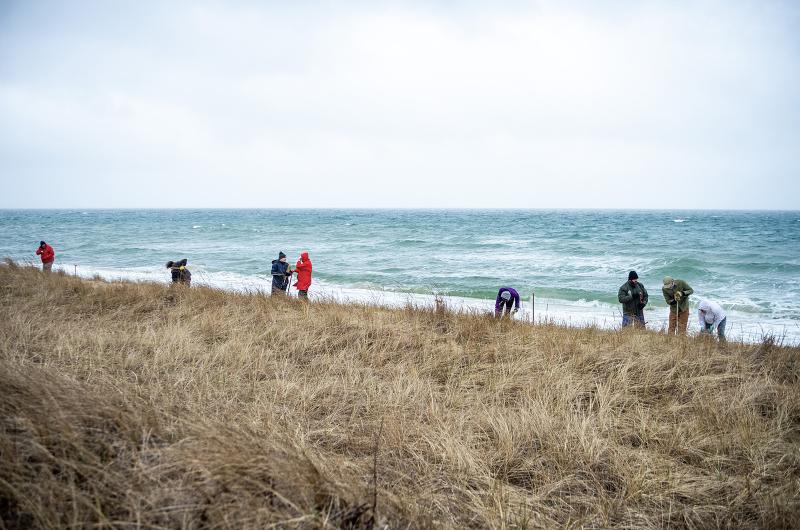
For many volunteers, the event is an annual tradition.
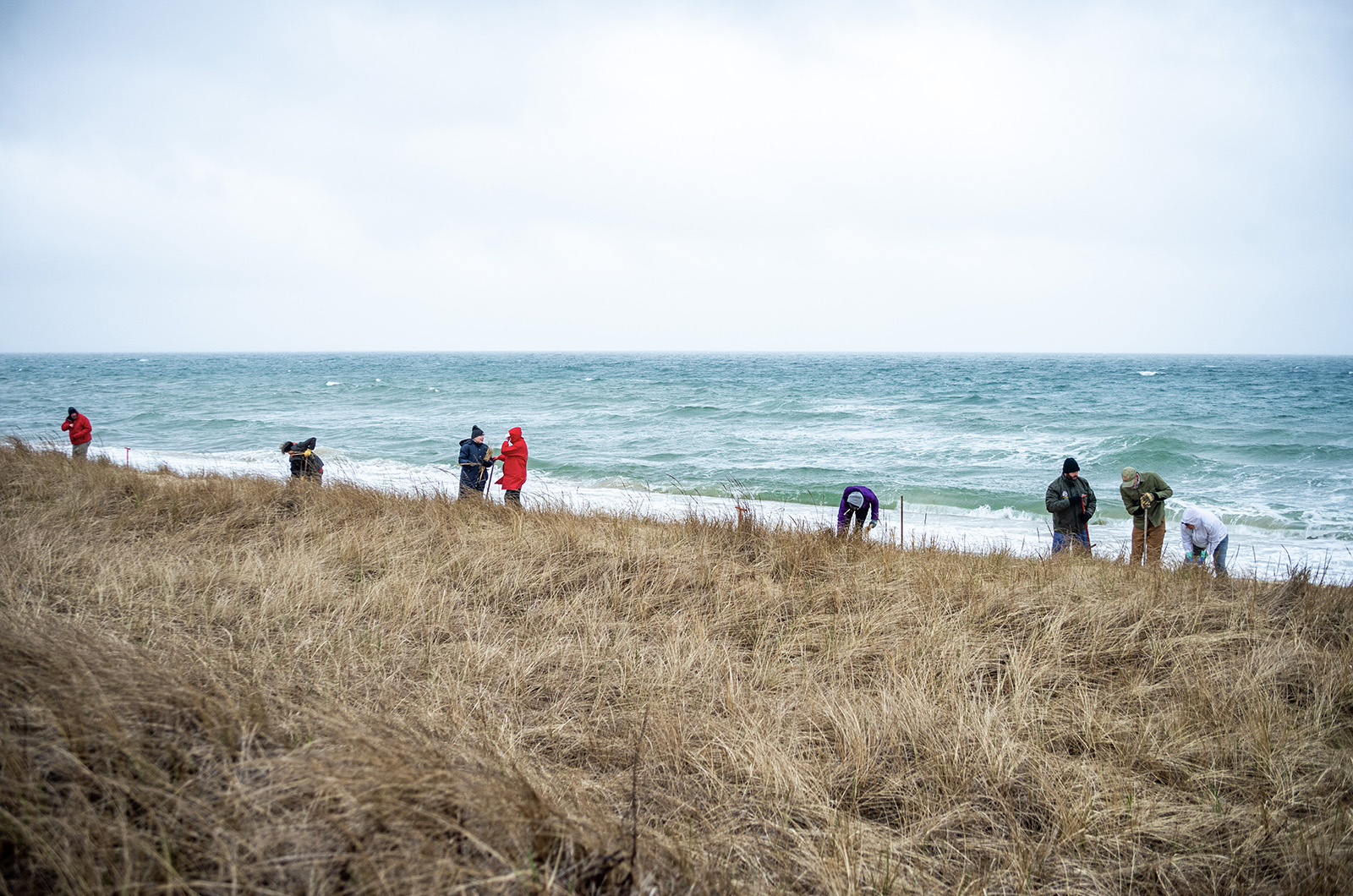
For many volunteers, the event is an annual tradition.
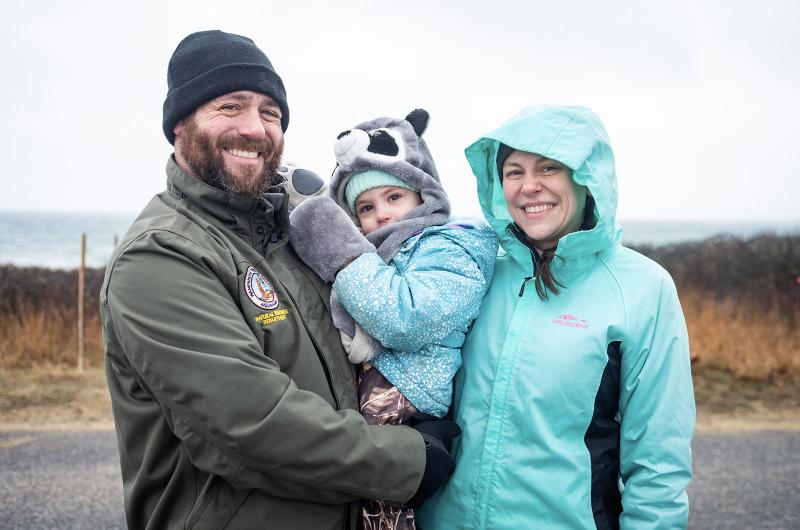
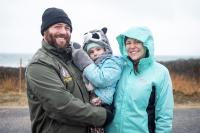
Andrew, Ayla and Anna Jacobs.
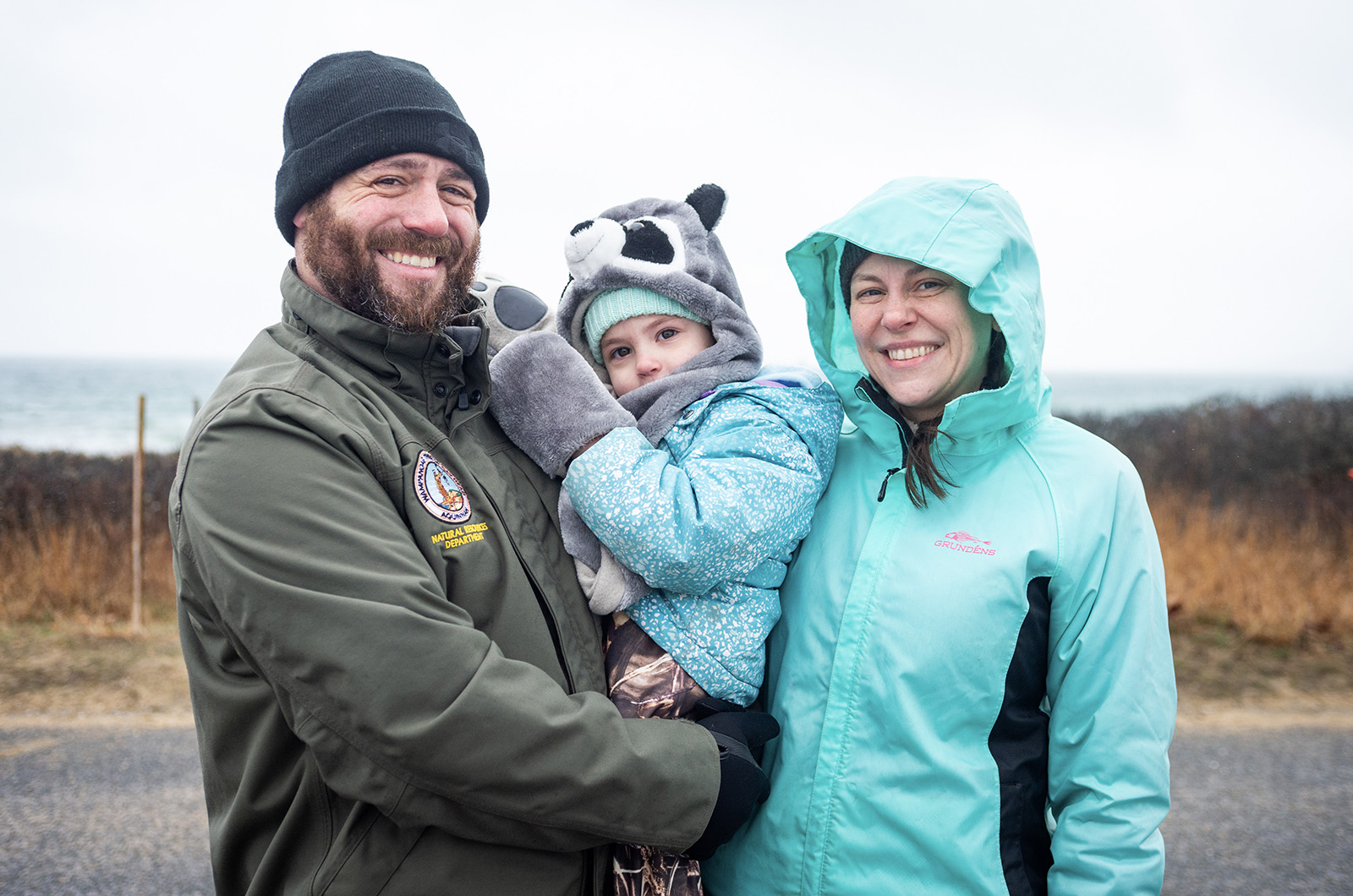
Andrew, Ayla and Anna Jacobs.

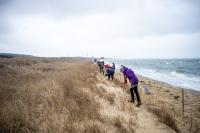
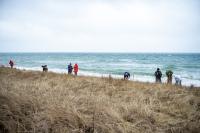
Volunteers gathered at Lobsterville Beach Saturday morning under gray and windy skies to take part in dune restoration efforts led by the Natural Resources Group of the Wampanoag Tribe of Gay Head (Aquinnah). The annual event began in 2015, prompted by damage caused by Hurricane Sandy. Beach grass collects and stabilizes wind-blown sand in coastal resource systems.