

Nature & Science

The New England Fishery Management Council delayed a decision yesterday on drastic cuts to the ailing groundfishery, amid impassioned testimony from fishermen who said the deep cuts would spell the end of their livelihood. “[The fishery] has been declared a disaster . . . this will make it a reality,” said Frank Mirarchi, a Scituate draggerman. “This means the boats will fail and the families will fail. This will be the end of an era.”

In what fisheries experts are calling an historic measure to curb overfishing, the Atlantic States Marine Fisheries Commission voted late last week to reduce the fishing of menhaden by 20 per cent in the coming year.
The 20 per cent reduction takes effect July 1, 2013.
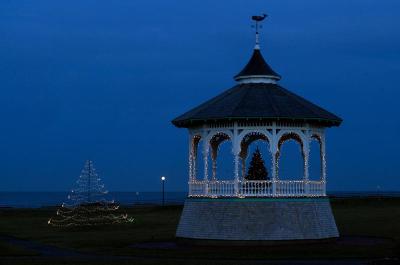
Winter officially arrived this morning at 6:12 a.m. and from here on the days will grow longer. There are two more weeks of sunrises that are the latest of the season, but this will change. Sunsets have already begun to get later, about a minute every other day. Sunrises will be earlier in the morning beginning Jan. 11.

It is by far the oldest thing I own, and its antiquity will certainly beat anything else I could acquire in my lifetime.
While new to me, this brilliant object’s origins likely go back around three billion years, making this gem two-thirds the age of the earth. Though I am not convinced that diamonds really are a girl’s best friend, they do make for some fascinating science.
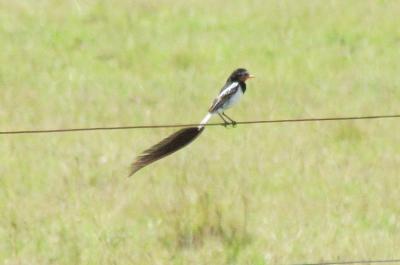
What is the South American country which is bordered by Brazil on the northeast and Argentina on the northwest, west and south? This country has a population of three million very mellow people and twice as many cows (and sheep). Uruguay is the country and Montevideo is their capital city.

The meteor shower Geminids peaked last night, although there may be a chance to see a few stragglers over the weekend.
Almanac
A comprehensive guide to weather and tides on the Island.

Vineyard Gardener
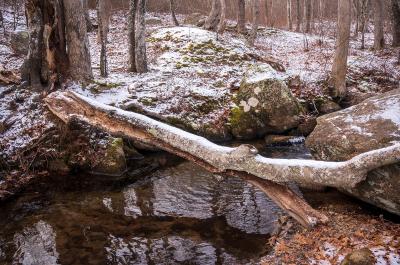
I guess this past week weather-wise is called a January thaw. We did not really experience it the last several years as December was unseasonably warm.
Farm & Field
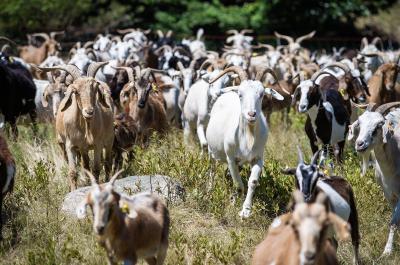
Beige and brown and tan and black, with horns spiraled or semicircular or in undulating waves, a legion of goats marched up the hill toward us, bleating in anticipation of fresh grass and leaves.