

Fishing
The commercial oyster season is underway, and the early reports from the Tisbury Great Pond in West Tisbury and Chilmark are good. Oyster fishermen in those towns are getting their daily limit, although the off-Island market is soft.
The retail price on Island fluctuates; this week wild oysters were selling for 50 cents apiece.

It is months away from the start of both the recreational and commercial fishing season, yet already there is change ahead. Fisheries managers, looking at the health of fish stocks, are making a regulatory forecast and some predictions about the availability of fish for the year ahead.
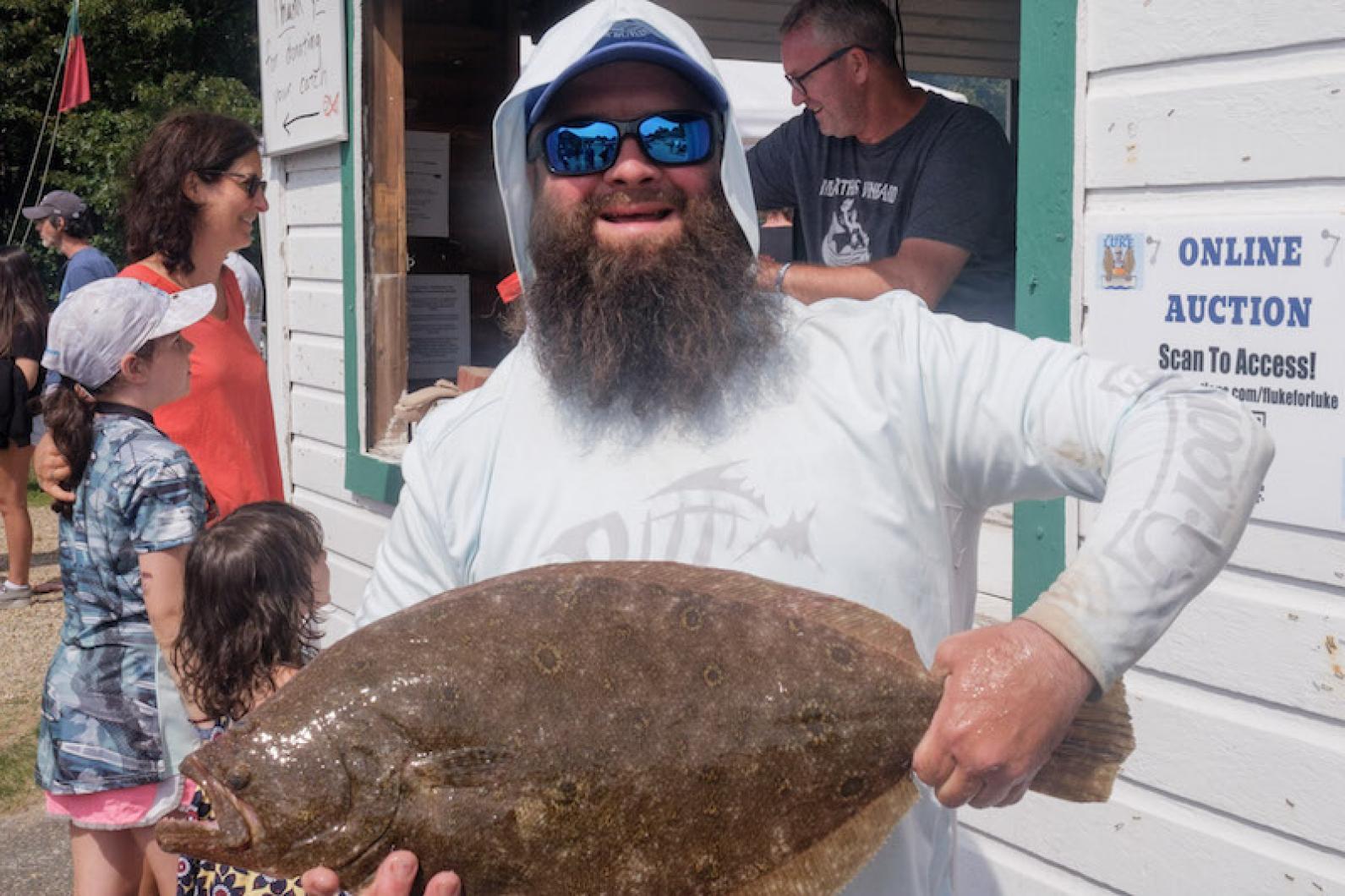
Striped bass, one of the most precious resources in our waters, will likely be more scarce this summer, and anglers who love to catch fluke will likely be able to take more home.

Vineyarders are rightfully proud of the yearly abundance of oysters and scallops pulled from Island ponds, but little is made of what goes back into the water. Jessica Kanozak, creator of the Island’s nascent shell recovery program, hopes to change all that. After the first year of a pilot program on the Vineyard to return seashells to the sea, experts and community leaders met Saturday to discuss the program’s strengths, weaknesses and potential for expansion.

Chez Panisse is arguably the best and most influential restaurant in the country. The restaurant’s founder, Alice Waters, has become the figurehead of the current farm-to-table revolution in America that has spread rapidly, including (thankfully) to Martha’s Vineyard. The chefs at Chez Panisse have to work their way up through a rigorous kitchen hierarchy, putting in countless hours peeling carrots and cardoons just for the opportunity to cook for those paying customers who have traveled from places near and far to sample their ingenuity.
Criticism of the annual Oak Bluffs Monster Shark Tournament resurfaced at the town selectmen’s meeting this week, with a local group asking the town to reconsider the role it plays in the popular event, citing ethical and environmental concerns with the way sharks are killed and displayed in the town harbor.
The federal government will continue to foot the bill for its mandatory at-sea monitoring program for another year, after meeting with fishermen and state representatives in recent weeks and reviewing the economic impact of the costs associated with the year-old catch shares fisheries management program.