
Editorials
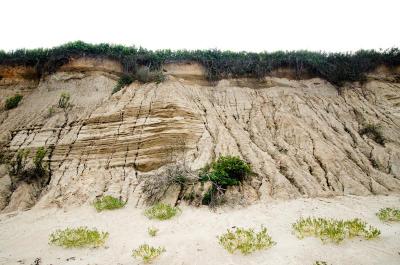
In the fullness of time, coastal scientists say, Martha’s Vineyard will disappear back into the ocean and new islands will form on what is now Georges Bank. It is part of a grand cycle of sediment redistribution, where land is not lost, but simply transported from one spot to another.
The future of journalism seemed to be on a lot of minds last weekend, and not just at a panel by that name at the Martha’s Vineyard Book Festival. The stunning news that the Graham family had sold the Washington Post after eight decades to Amazon’s Jeff Bezos for two hundred and fifty million dollars eclipsed another major milestone in the newspaper industry: the sale of the Boston Globe to Red Sox owner John Henry for seventy million.
Some four decades ago, the Massachusetts legislature recognized Martha’s Vineyard as one of the state’s crown jewels by creating an agency with special powers to protect the Island’s unique ecological, archeological, historical and human resources. That body, the Martha’s Vineyard Commission, has distinguished itself over nearly forty years as the Vineyard’s sole regional planning agency, sitting in the often-uncomfortable role of arbiter of Island values.

The only one that comes out looking really good in the new un-reality TV show The Vineyard is the Island itself. Filmed mostly in the chilly month of May, the ABC Family series manages somehow to capture the glorious warmth of a summer day.
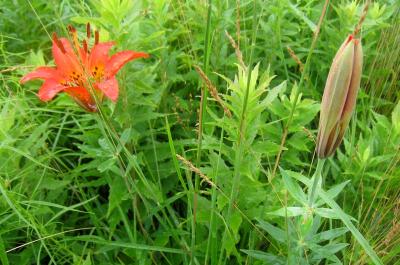
Ordinarily a rare sight on the Island, wood lilies are blooming in profusion this year in many places, including in the fields at Waskosim’s Rock Reservation, a Martha’s Vineyard Land Bank property.
The showy red-orange wood lily occurs in dry woods throughout southern New England; its entire range runs from southern Ontario to North Carolina and Kentucky. The bulbs were once gathered by native Americans for food.
The Vineyard is usually spared the most oppressive days of summer but this week has been an exception with sweltering heat and humidity up Island and down, the kind seen more typically on the mainland. Who turned off the breeze? Not a breath of air could be had, or so it seemed at times.