


A month ago I asked where three shorebirds were that had not been seen for a few years: buff-breasted, Baird’s and upland sandpipers. This week the buff-breasteds (a shorebird that prefers upland short grass areas) showed up.
A month ago I asked where three shorebirds were that had not been seen for a few years: buff-breasted, Baird’s and upland sandpipers. This week the buff-breasteds (a shorebird that prefers upland short grass areas) showed up.
Charles Morano found two buff-breasted sandpipers within a flock of 31 black-bellied plovers at Katama Farm on August 28. The next day Ruth Richards, Jay Adams, Pete Gilmore, Sea Williams, Bridget Dunnigan, Bob Shriber, Janet Woodcock, Nancy Weaver and David Padulo found either one or two of them with the plovers. Later that day, Susan Whiting found the two with a killdeer.

White Rumped Sandpiper.
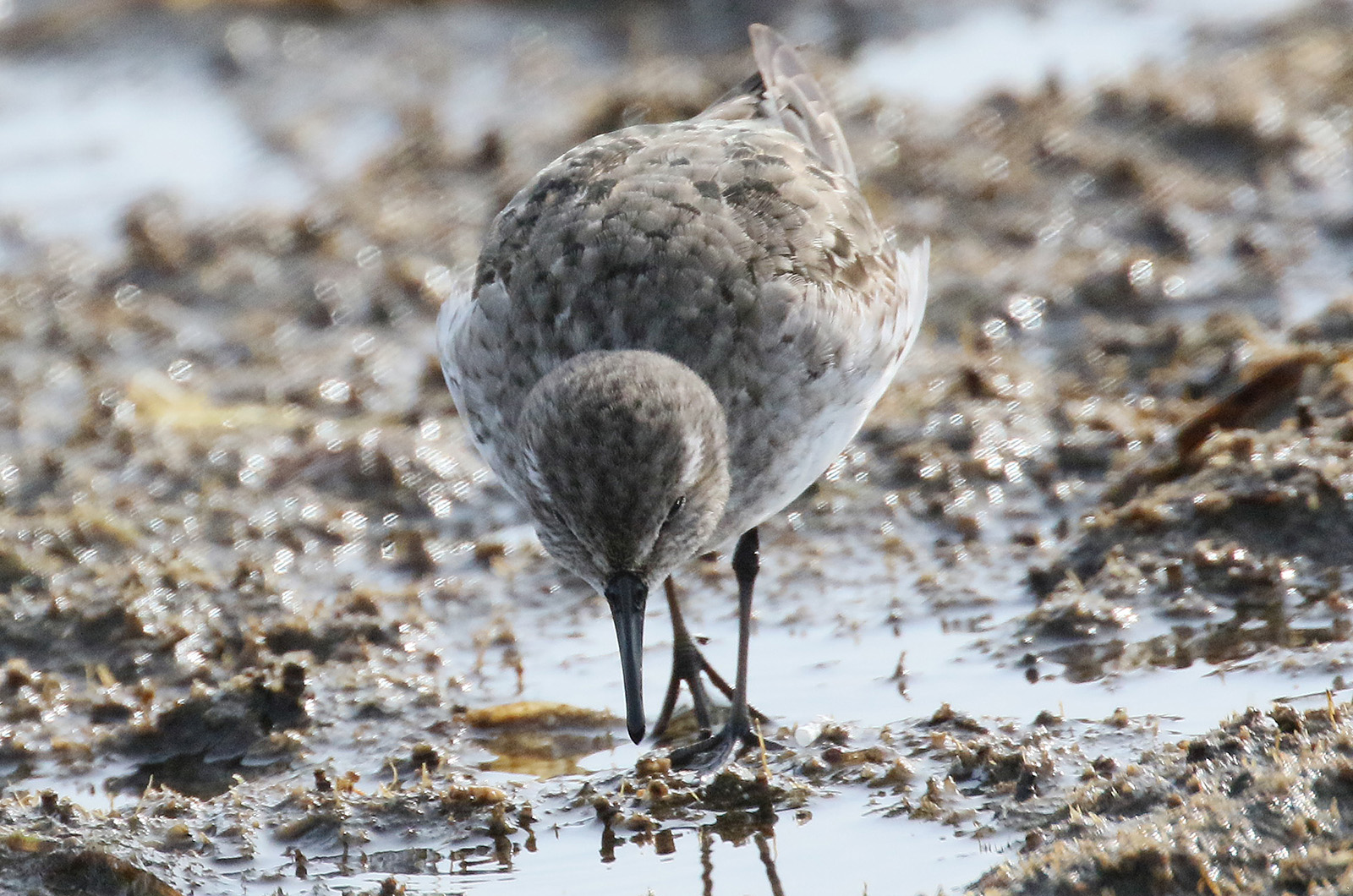
White Rumped Sandpiper.
Dave Oster located the two buff-breasteds along with three American golden plovers (also a first for the year), 45 black-bellied plovers and three killdeer on August 30. Margaret Curtin found the buff-breasted on August 31, as did Shea Fee and Luanne Johnson, who saw both buff-breasted and golden plovers.
Allan Keith spotted a golden plover on nearby Norton Point on August 31.
There are a few other notable shorebird sightings. Charles Morano observed a stilt sandpiper and a white-rumped sandpiper on Norton Point on August 25, and a flock of 10 whimbrels on the western arm of Cape Pogue on August 27. Dave Oster watched a white-rumped sandpiper on Little Beach on August 28.
Numerous other shorebird sightings include reports of American oystercatchers, piping plovers, semipalmated plovers, short-billed dowitchers, spotted sandpipers, willets, both greater and lesser yellowlegs, ruddy turnstones, sanderlings, least sandpipers and semipalmated sandpipers.

Virginia Rail.

Virginia Rail.
Another new species for the year is the dickcissel. Dave Oster heard the distinctive buzzy “dzzrt” or “fpppt” flight call of a dickcissel at Katama Farm on August 30. This is an early sighting for this species as they usually pass through in October.
Susan and Guy Babineau observed a Virginia rail along the Menemsha Pond shoreline on both August 24 and 25, the first report of this species since late June.
There have been surprisingly few sightings of mute swans. The largest number reported was in of a group of four. Oona Carroll spotted one at Crystal Lake on August 25; Owen, Guy and Susan Babineau saw one in Upper Chilmark Pond on August 26; Matt Blades found two at the pumping station on August 26; Steve Allen counted four at Felix Neck on August 28; Nancy Weaver watched two at Squibnocket Beach on August 28; and Charles Morano located one in the Aquinnah Herring Run on August 28.
Where are the large numbers of swans that we used to find on our ponds?
A more expected number of Canada geese were seen this week. Susan and Guy Babineau spotted 10 on Menemsha Pond and three at Long Point on August 25; Charles Morano reported one at Norton Point on August 25; Janet Woodcock, Nancy Weaver, Henry Tynes, Guy Babineau and Susan Babineau watched 15 in Menemsha Pond on August 26; Bob Shriber saw five in Aquinnah on August 27; Steve Allen observed 25 at Felix Neck on August 28; Derrob Hagy-Weatherbee located 23 at Eel Pond and one in Sengekontacket Pond on August 28; Philip Edmundson found eight at West Tisbury South Shore on August 29; Dianne and Richard Audette discovered eight in Stonewall Pond on August 31; and Margaret Curtin counted 215 at Katama Farm on August 31.

Tufted Titmouse.
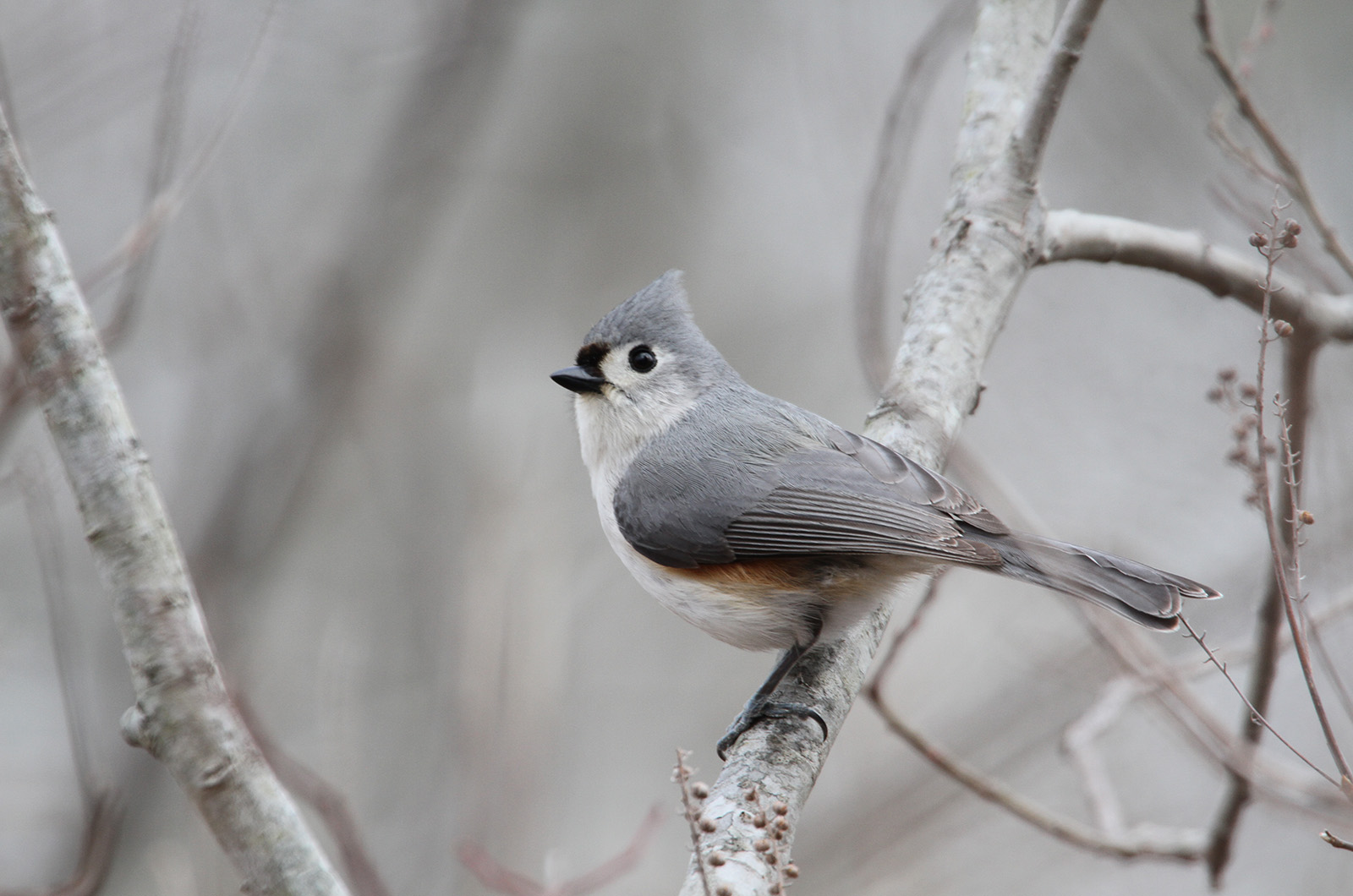
Tufted Titmouse.
And here is an unexpected waterfowl sighting: Charles Morano found an early lesser scaup at the Aquinnah Herring Creek on August 28.
A few screech owls were found this week. Philip Edmundson heard one in the Watcha Pond woodlands on August 26; Dave Oster heard one at Great Plains Road in West Tisbury on August 28; Bob Shriber heard one along Lobsterville Road on August 28 and Henry Tynes had two near Seth’s Pond on August 30.
Charles Morano spotted the second nighthawk of the season in an unexpected location. As he sailed round East Chop at sunset on August 27, he saw it clearly as it flew from East Chop across Nantucket Sound towards the Cape.

Buff Breasted Sandpiper.
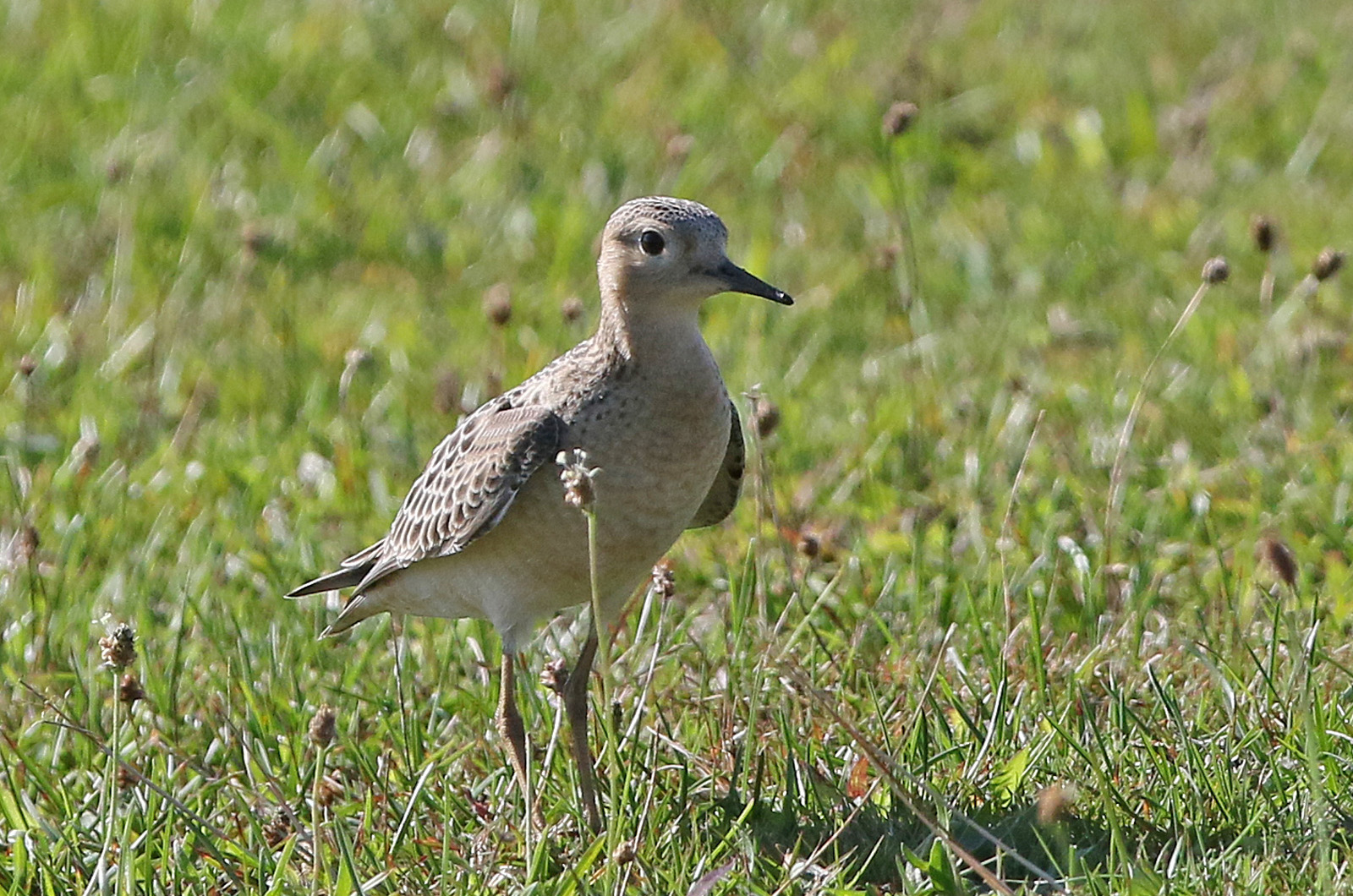
Buff Breasted Sandpiper.
Two of the more common species are black-capped chickadees and tufted titmice. There were 37 locations on ebird where titmice were reported in August. For black-capped chickadees the comparable number is 93 locations. Does that mean there are 2.5 times as many chickadees compared to titmice? Or is the ratio even more skewed in favor of the chickadees? I looked at 10 random checklists with chickadees on them and those 10 checklists totaled 57 chickadees while only recording 10 titmice. Four of those checklists did not list any titmice! Despite these numbers, I do not believe that chickadees are five times more common than titmice.
The intensity of the warbler migration is increasing. The most sighted species this week, with the numbers reported in parentheses, are common yellowthroat (6), prairie warbler (3), northern parula (2), American redstart (2), pine warbler (3) and ovenbird (1). These six species all are common nesting species.
American Golden Plover.
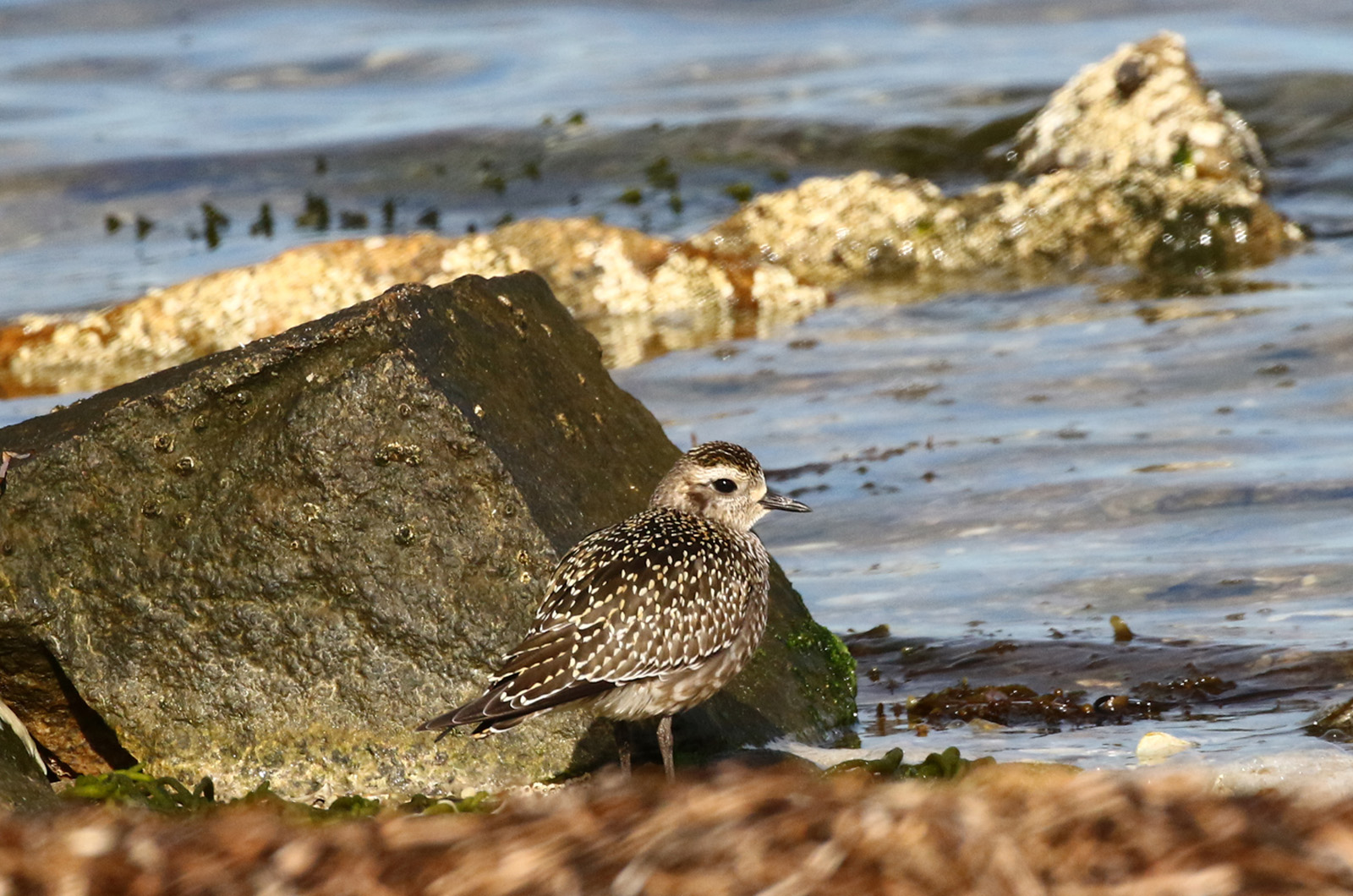
American Golden Plover.
But yellow warblers (perhaps the most common of our nesting warblers) were not reported this past week. The last sighting was on August 16 at Wasque by Kristen Kanders.
There is more evidence of increased migration. Charles Morano visited Cuttyhunk on August 30 and spotted one Nashville warbler, one mourning warbler, one magnolia warbler, one black-throated green warbler and one Canada warbler. All five species are from more northern areas. These next two months will see a lot more of these more northern-nesting warblers.
One final note that seems odd to me, Allan Keith visited Norton Point and did not see any terns. Where was the large flock of migrating common and roseate terns that normally roosts there at this time of the year?
Please email your sightings to [email protected].
Robert Culbert is an ecological consultant living in Vineyard Haven.
Comments
the terns have just moved
Lindsay Allison Chappythe terns have just moved towards Chappy. We saw dozens feeding from the Swimming Beach parking lot on September 3
Thank you for that report.
Robert Culbert Vineyard HavenThank you for that report.
Add new comment