



Vineyard towns have started to wrap their arms around regulating the thousands of short-term rentals on the Island, tackling an issue that housing advocates have long said exacerbates the ongoing housing crisis.
Vineyard towns have started to wrap their arms around regulating the thousands of short-term rentals on the Island, tackling an issue that housing advocates have long said exacerbates the ongoing housing crisis.
West Tisbury last week finalized its rules around the lucrative industry, and at a special town meeting last month Tisbury passed limits on the number of days homeowners can rent out their properties. Chilmark officials this week started looking at a bylaw which would also cap owners to renting out no more than one property for 95 days a year.
Edgartown, which has the highest number of vacation rental properties of any Island town, recently formed a committee to look at potential regulations, if any are deemed necessary, and Oak Bluffs has undertaken a study on vacation rentals in town that could inform rules moving forward.
“It’s just a balancing act,” said Mark Leonard, an Oak Bluffs select board member and former affordable housing committee member. “We would be foolish if we tried to prevent short-term rentals, but we have to figure out how to manage it.”

The Vineyard has about 4,000 short-term rentals.
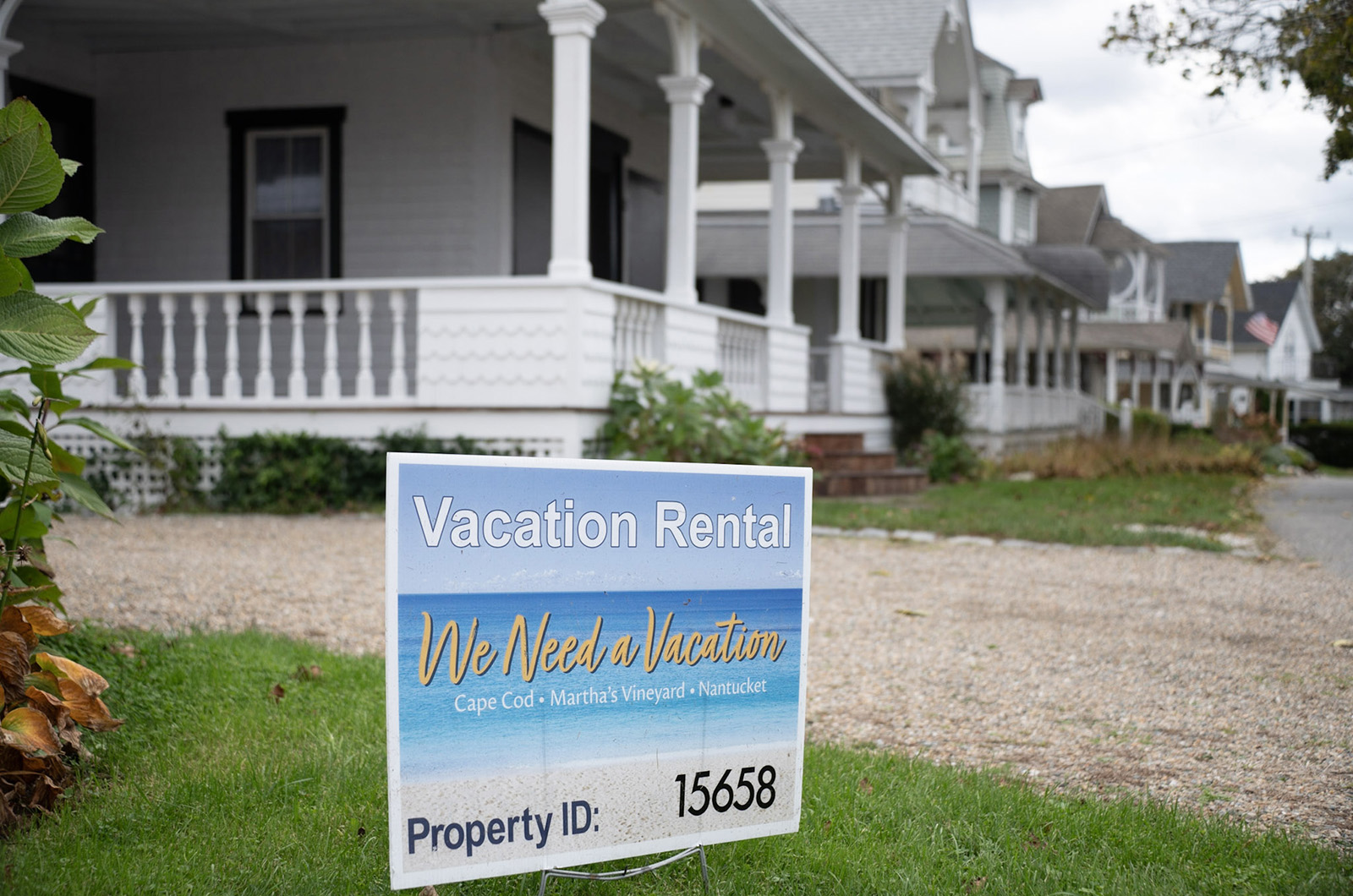
The Vineyard has about 4,000 short-term rentals.
Vacation rentals have a long history on the Vineyard, where homeowners have often rented out family homes in the busy summer months. In recent years, rental properties have become cash cows, with properties being rented, at times, for tens of thousands of dollars weekly during the season.
The industry reached dizzying heights during the pandemic, bringing in more than $9 million in tax revenue to the six Island towns in the last fiscal year. One industry expert said the average price of a three-bedroom rental on the Island jumped nearly 52 per cent between 2019 and 2024. The market has started to come back down though, as vacationers return to old patterns of travel and realtors suggest homeowners reexamine their prices to book more weeks.
Despite the ubiquity and long history of renting homes on the Island, the approximately 4,000 Island rentals registered with the state have largely run without any real oversight from towns until 2024.
Looking to put some parameters around the industry, both West Tisbury and Tisbury moved forward with regulations in order to allow owners to make money by renting properties while also deterring commercial interests from hollowing out the dwindling year-round housing stock.
West Tisbury, the first town to pass rules, is now requiring a two-night minimum stay for short-term rentals. The town is also only allowing owners to rent out just one property, and owners must live in the property for at least 30 days a year.
Tisbury took other steps, capping the number of rental nights to 75 in any given year.
The Chilmark planning board is considering a similar bylaw, though during its meeting Tuesday, board members supported raising the cap to 95 nights a year, giving owners just over three months of rental income.
“It’s a balance between protecting the neighborhood and the homeowner,” said planning board member Richard Osnoss.
The board was also pursuing a wide-ranging exemption for all owners who already have existing rentals.
Towns have been spurred into action now for a number of reasons. The housing crisis keeps intensifying to the point where the conversion of homes into rentals can’t be ignored any longer.
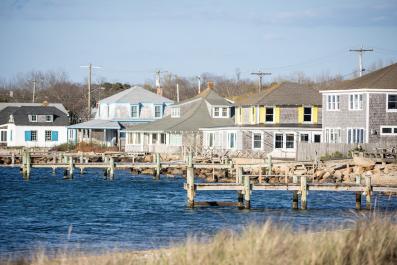
Rentals have a storied history on the Island.
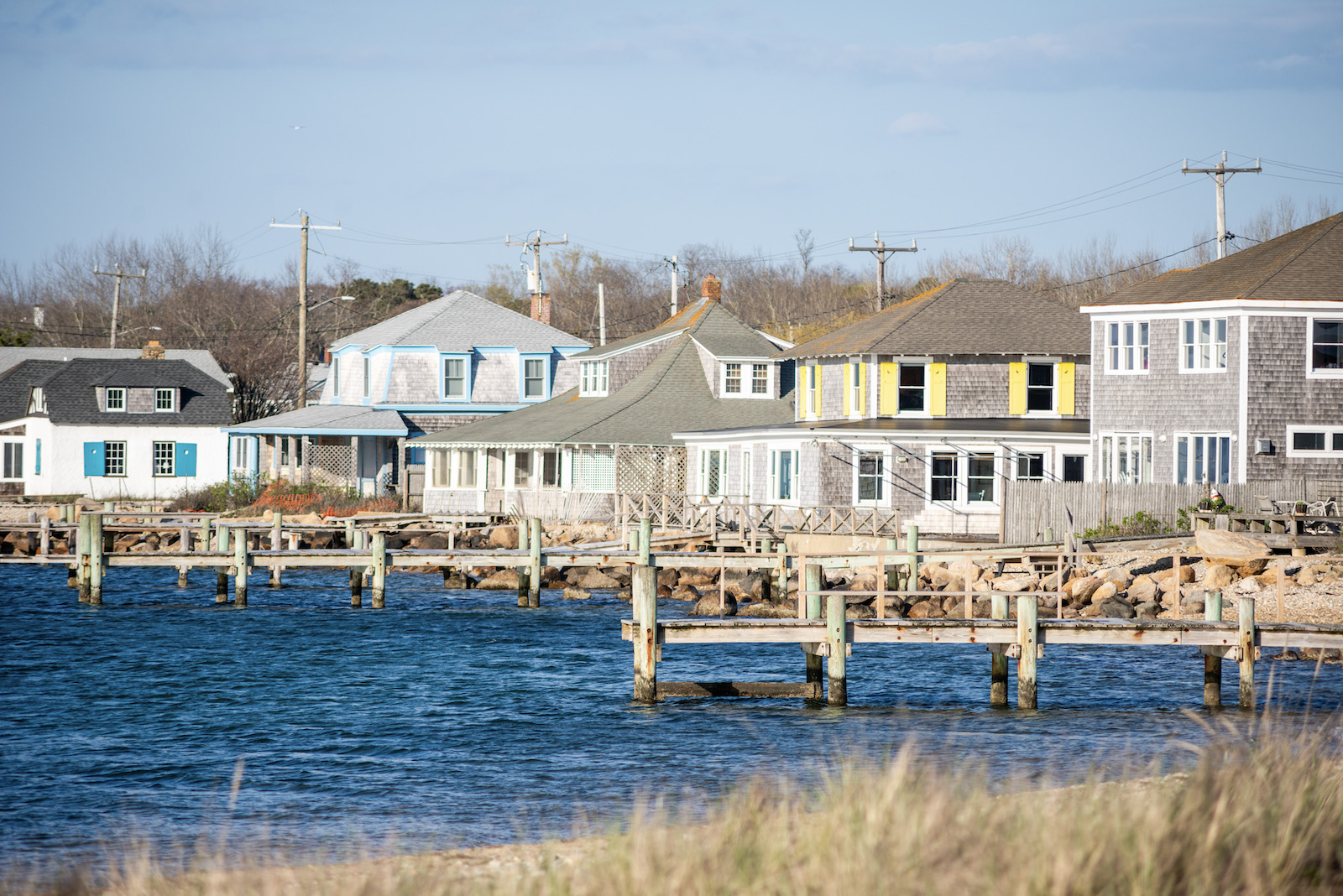
Rentals have a storied history on the Island.
“Short-term rentals have taken off the market a whole bunch of rentals that were year-round, or at least seasonal that workers could rent, because you could make so much more money on short-term rentals,” said Chilmark planning board member Ann Wallace.
The state has also implemented other laws around accessory dwelling units that reference short-term rentals, prompting Island communities to enshrine the use in their own regulations.
Another impetus is a legal case that originated on Nantucket. On the sister island, short-term rentals have been highly controversial, and a dispute over whether short-term rentals are allowed in residential districts made its way to the state land court.
In a decision last year, a judge ruled that short-term rentals could not be the principal use of a home under Nantucket’s zoning, but could be allowed as an accessory use. This led to concerns on the Vineyard, where, until this year, none of the Island towns included short-term rentals in their zoning regulations.
The state’s new building code, which goes into effect in July, also requires town building inspectors to inspect rentals. In Tisbury, the town building inspector is seeking more funds to cover those inspections.
Reade Milne, the Edgartown building inspector, said the town is bracing for the heavier workload.
“It certainly adds a lot of inspections to the department’s responsibilities,” she said.
Edgartown, which has about 1,400 rentals, is taking a measured approach to regulations. The town will consider a zoning bylaw at the annual town meeting that would allow rentals throughout town, while the new short-term rental committee considers the need for any further restrictions.
“It’s a deliberative process,” said James Hagerty, the town administrator. “When lessons are learned and best practices are established, that’s when you take action.”
As new rules go into effect on the Vineyard, it’s not clear exactly the effect it will have on the market, said Joan Talmadge, the co-owner of Weneedavacation.com, a company that helps owners rent about 400 rental properties on the Island.
She was surprised by West Tisbury’s requirement for owners to stay in their homes for at least 30 days a year, but understood the need for guardrails around the industry.
She expected 2025 would be similar to 2024, with the market above 2019 but below the pandemic years. Still, owners harbor concerns as the rules change.
“It’s a lot to keep up with,” she said. “Towns are having these discussions and it’s a good thing to be discussing, how to maintain this balance.”
Comments
I have loved spending time
peter FloridaI have loved spending time over the summers on the island, for my family it has become really difficult to justify the weekly home rental prices as they are now. If home owners are capped on the amount of nights they can rent will not the nightly rates go up in order for the owners to be able to afford the homes? If i was on the board i would be concerned about popping the tourism bubble leading to layoffs of hourly workers and the closing of the locally owned businesses that make the island such a wonderful place.
We couldn’t agree with you
Joan VHWe couldn’t agree with you more. Yes, as an islander who rents out their ADU we will most likely have to raise the rental prices due to the shortened time allowed to rent it out to visitors. Our rental unit is not winterized so we can’t rent it out to someone year-round, it’s a seasonal structure only (April through October). I’m concerned that this bylaw will affect the amount of visitors who enjoy coming to the island during the shoulder season, with this law, less visitors will be coming during the spring and fall months - we need to really look at the big picture here, this will trickle down and affect all island businesses, they’ll have a shorter season to make money, I do not see how this will help our year-round economy at all.
the price of the ferry, is
michael edgartownthe price of the ferry, is reducing the summer renters from coming here. i know, because my usual renters have told me. do you believe that restricting STR is going to help your so called affordable housing “crisis”
can someone explain that senario to me?
i would never rent my home in the winter , and have it abused and risk them not leaving when the lease is up. massachusetts laws favor squatting over homeowners.
I am an Islander, 58 years
James EdgartownI am an Islander, 58 years old. I have a small construction business. I don’t understand the negativity towards renting?
We need rentals to survive. Our economy is tourist driven. If we push back any more we will have empty stores, restaurants etc…
If people think we can survive with out STR’ s please tell me how?
This affects everyone from the plumber to the restaurant worker, it does not matter.
We talk about Affordable housing. If we keep pushing back on rentals and tourism, we will I’ll have plenty of affordable housing, but no good paying jobs…
Should we allow every
MaryShould we allow every property to rent unlimited at market rent?
The new rules seem like a step in the right direction.
Add new comment