

The all-Island school committee last month voted unanimously to form a working group to study the potential of unifying the Vineyard’s two regional and three town school districts into a single district, covering all six schools.
Although the number of students enrolled in the Martha’s Vineyard public school system has changed little over the years, school costs continue to rise.
For the second year in a row, Island schools are facing a sharp increase in the budget for shared services — such as special education, music instruction and clinical therapies — that are provided to all campuses by the superintendent’s offices in Vineyard Haven.
The shared services budget of $10.6 million for 2026 is a 13.8 per cent increase over the current fiscal year’s spending plan, which itself is 15.6 per cent higher than the previous year, in what was then an unprecedented hike.
After approving the budget presented by superintendent Richard Smith, the all-Island school committee last month voted unanimously to form a working group to study the potential of unifying the Vineyard’s two regional and three town school districts into a single district, covering all six schools.
The shared services budget went up by 13.8 per cent.
The shared services budget went up by 13.8 per cent.
“There are any number of reasons that looking at regionalization is something that we need to consider, [and] we would be irresponsible to not consider that, given the . . . growth in our budgets,” committee chair Amy Houghton said during the Nov. 21 meeting.
Finance director Mark Friedman said Island towns could gain more than $750,000 in state-funded transportation reimbursements alone if the districts regionalize, because he would no longer be required to submit individual reimbursement requests for five different campuses.
The state also may have funding available for the regionalization study, Mr. Friedman said.
In a follow-up interview this week, Ms. Houghton told the Gazette that unifying the districts could help rein in school costs to taxpayers while providing opportunities to more Island students, regardless of their hometowns’ municipal budgets.
“We should really be preparing kids equitably, and how do you do that when there’s this town-centric view? It’s something that we would be remiss to not consider,” she said.
Island schools have changed significantly over the years as enrollments have shifted from generational Vineyarders to more recent arrivals, Ms. Houghton said. Immigrants now make up some 40 per cent of the school-age population, and families move between towns far more frequently than in the 20th century, she said.
The shared-services itself was designed to ensure that students with higher needs are getting an equitable opportunity, Mr. Smith told the Gazette.
“Some schools may or may not be able to afford enrichment or special education,” Mr. Smith said.
The all-Island string music program is another program aimed at making sure all students have the chance to participate, he said.
But as in past years, therapy and special education make up the largest part of the $10.6 million shared services budget for fiscal 2026.
“About two-thirds of our operating budget is direct services [and] special education costs,” Mr. Smith said.
The Island-wide Bridge program, for children with autism, continues to see rising numbers and will need an additional classroom and three more teacher assistants next year, Mr. Smith said.
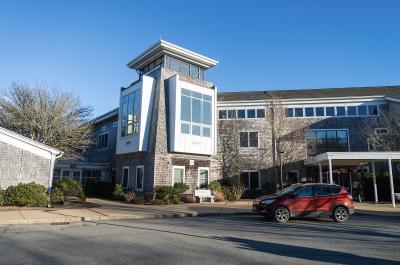
Some administrators say they could save on costs under a regionalized model.
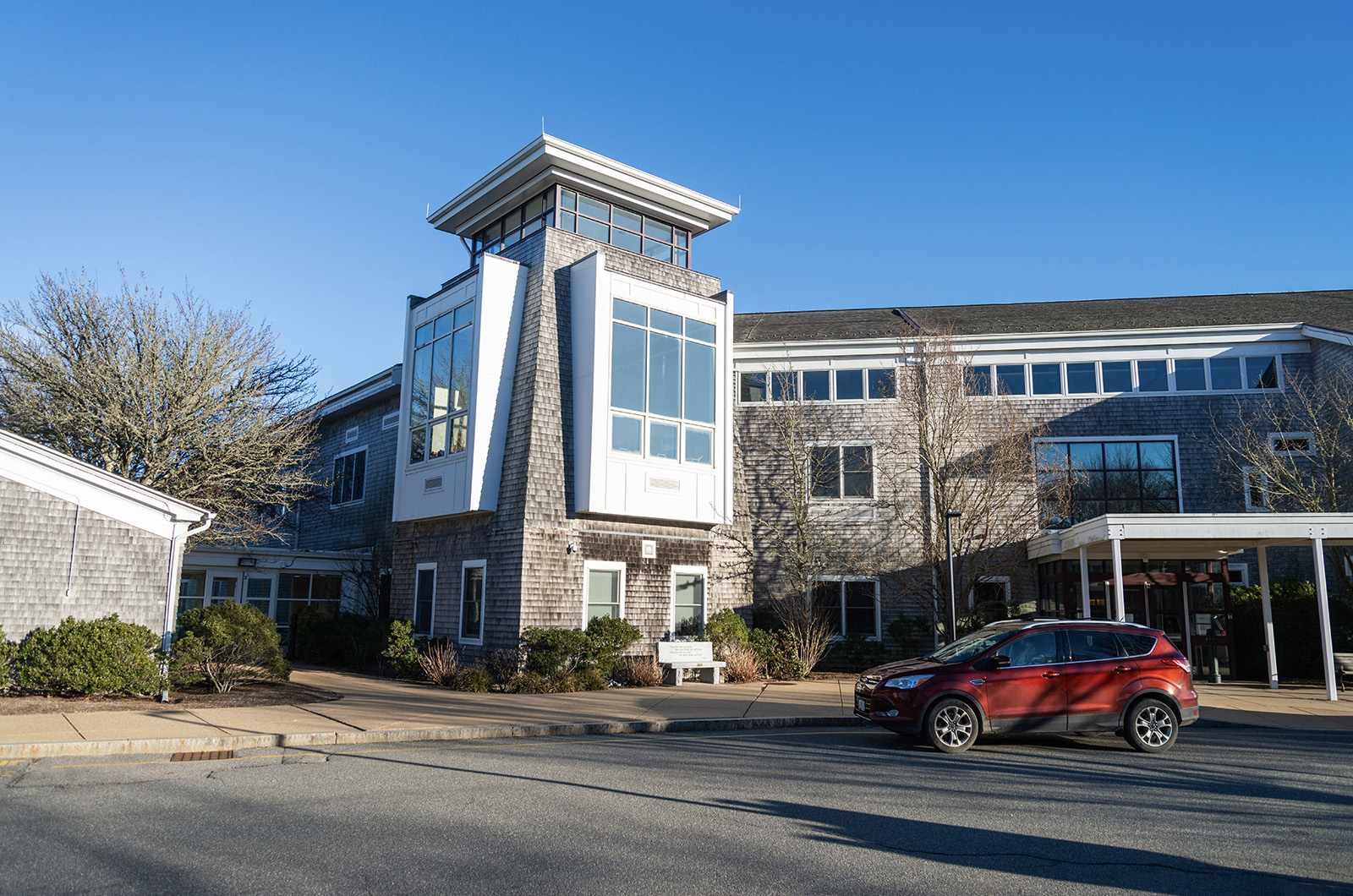
Some administrators say they could save on costs under a regionalized model.
Social and emotional delays and other mental health diagnoses are also on a continued upswing since the Covid-19 pandemic, pushing up costs, behavioral health coordinator Kim Garrison told the all-Island school committee last month.
One thing the shared services budget does not provide is the cost of off-Island residential schools for students whose disabilities can’t be accommodated on the Vineyard. If a child cannot receive an appropriate education in their town school, even with serices from the central office, state law requires that the town fund their residential placement, which Ms. Houghton said can cost upward of $100,000 a year.
Regionalizing the Island into a single K-12 district would spread out those costs, easing the burden on individual schools, she said.
The $10.6 million shared services budget will be split by the Island’s five school districts based on enrollment numbers from the annual student census taken Oct. 1.
Across the Island, the Oct. 1 census found a total of 2,155 Island children in kindergarten through 12th grade. A year ago, the census found 2,184 students, down from 2,253 in 2022.
Overall, Mr. Smith said, enrollment has remained fairly steady for more than 15 years, never dipping below 2,025 or rising above 2,200 except for the 2022 high.
Comments
This is long overdue.
Mike SomewhereThis is long overdue.
YUP
SusanM CTYUP
The time has come for the
pamela s. brock VINEYARD HAVENThe time has come for the Island towns to work together on shared services
across the board....fiefdoms do not serve the well being of the Island.
Here comes the bureaucracy -
Isabella StewartHere comes the bureaucracy - education will suffer.
It's easy to work together
low hanging fruit TisburyIt's easy to work together and receive state funds and grants to reduce the budget (one districts vs five). The problem becomes cutting needless services or requiring a user based system of paying. I am only talking right now about the Strings program. This is what we used to call "piano lessons" that were paid for by individuals for their children to learn how to play the piano. After school, before school and outside of the school budget. Now the Strings program is used to employ a local musician or two and it comes at a taxpayer expense. If anyone wants to continue the strings program those individuals utilizing the program should see the benefit to fund it themselves.
We all benefit from education
Albert GosnoldWe all benefit from education, even music education.
If anyone wants to continue the sports programs those individuals utilizing the programs should see the benefit to fund it themselves.
The same goes for English, math and science.
Regionalization needs to be
Islander61 Oak BluffsRegionalization needs to be implemented, not just discussed, at least in the middle school area. A regional middle/high school on the high school campus seems to be a no brainer. Lessen the burden and stress on the elementary schools. The current regionalization formula needs to go, the school would be used by all towns so all towns should share the costs equally. Middle school aged students should not be with the k-5 kids on the same campus, let alone, the same school. Make it happen now while we are still looking to build a new high school, build a school for both middle and high school students. No time like the present.
Let kids stay kids as long as
Pearl WTLet kids stay kids as long as possible. Rushing them towards older students is a mistake.
Agreed!
Molly Chvatal Oak BluffsAgreed!
as a former teacher, and
SusanM CTas a former teacher, and having once been a tax payer on MV (many years) --- consolidation at Middle School/High School a "no brainer". The purchasing power across the small island of MV for ALLLLLL schools (elementary through HS) one contract with providers vs. many from one SMALL ISLAND is one way to optimize hard-earned dollars that go to taxes that support schools. What would be needed is setting up a budget group that can stand-tall to special interest groups that do not want any change.
I agree that a regional
Molly Chvatal Oak BluffsI agree that a regional middle school is a good idea, but I see more of a problem of mixing middle schoolers with high school age students than middle schoolers with elementary school students.
Here we go again. Big
Sara Piazza EdgartownHere we go again. Big government is not necessarily good government. Big school systems are not necessarily good school systems. Whatever happened to"buy local" and "live local" ? Please stop dismantling our local communities.
How many commenters have kids
Tis res VHHow many commenters have kids currently in school or work in the MV system?
Equalized valuation should be
Equalized valuationEqualized valuation should be at the front of the conversation. Enrollment based funding is a scam leaving Tisbury and Oak bluffs to foot the bill. Don’t be fooled again!
Add new comment