

Lawsuits and legal appeals continue to stack up in the battle over oversand vehicle trails on Chappaquiddick.
Lawsuits and legal appeals continue to stack up in the battle over oversand vehicle trails on Chappaquiddick.
The Trustees of Reservations, the nonprofit group that manages the 16 miles of sandy trails on the small island, filed a lawsuit in state Land Court Wednesday challenging Edgartown’s authority to require a special permit. There are now at least four appeals over the sandy corridors, leaving the future of driving out onto the shore of Chappy in question.
The latest appeal centers around a missing permit from 1990. In January, the planning board realized it couldn’t find the 34-year-old permit that helped enable oversand vehicle access, raising questions about what is and isn’t allowed.
Last year, Cape Pogue homeowner Victor Colantonio wrote to the town’s building inspector claiming the Trustees were in violation of the town’s zoning by selling oversand vehicle permits for areas of Cape Pogue that only allow residential activity.
Mr. Colantonio contended that the original application did not seek tours, walk-on beachgoer fees, kayak rentals and allowances for thousands of vehicles.
In response, building inspector Reade Milne, said she couldn’t determine if the Trustees were exceeding its allowance because there was no permit to look at.
Mr. Colantonio, who is separately suing the Trustees in a different case, appealed her decision to the zoning board, which last month ordered the Trustees to apply for a new permit.
In the new suit, the Trustees pushed back, saying the zoning’s board order was vague and the July 13 deadline for a special permit application was unrealistic.
“The order is unreasonably vague and does not specify what, in particular, requires a special permit,” the Trustees said in a statement. “The order, which wasn’t filed until June 26, also provides insufficient time for The Trustees to comply by July 13.”
Martin (Skip) Tomassian, the chair of the zoning board, declined to comment on the case, citing the pending litigation.
The Trustees also argued that the zoning board lacked the jurisdiction to rule on Mr. Colantonio’s appeal. Instead, the issue should have gone to the planning board.
In its ruling, the zoning board said that if a special permit was not applied for, the Trustees would have to cease operations on Cape Pogue, raising concerns about access in the heart of the summer.
“Given the unreasonable deadline coupled with the threat to close beaches to the public – as well as the vagueness of the Order – the Trustees have no choice other than to appeal the Order, even were the Order not otherwise in excess of the ZBA’s authority,” the lawsuit reads.
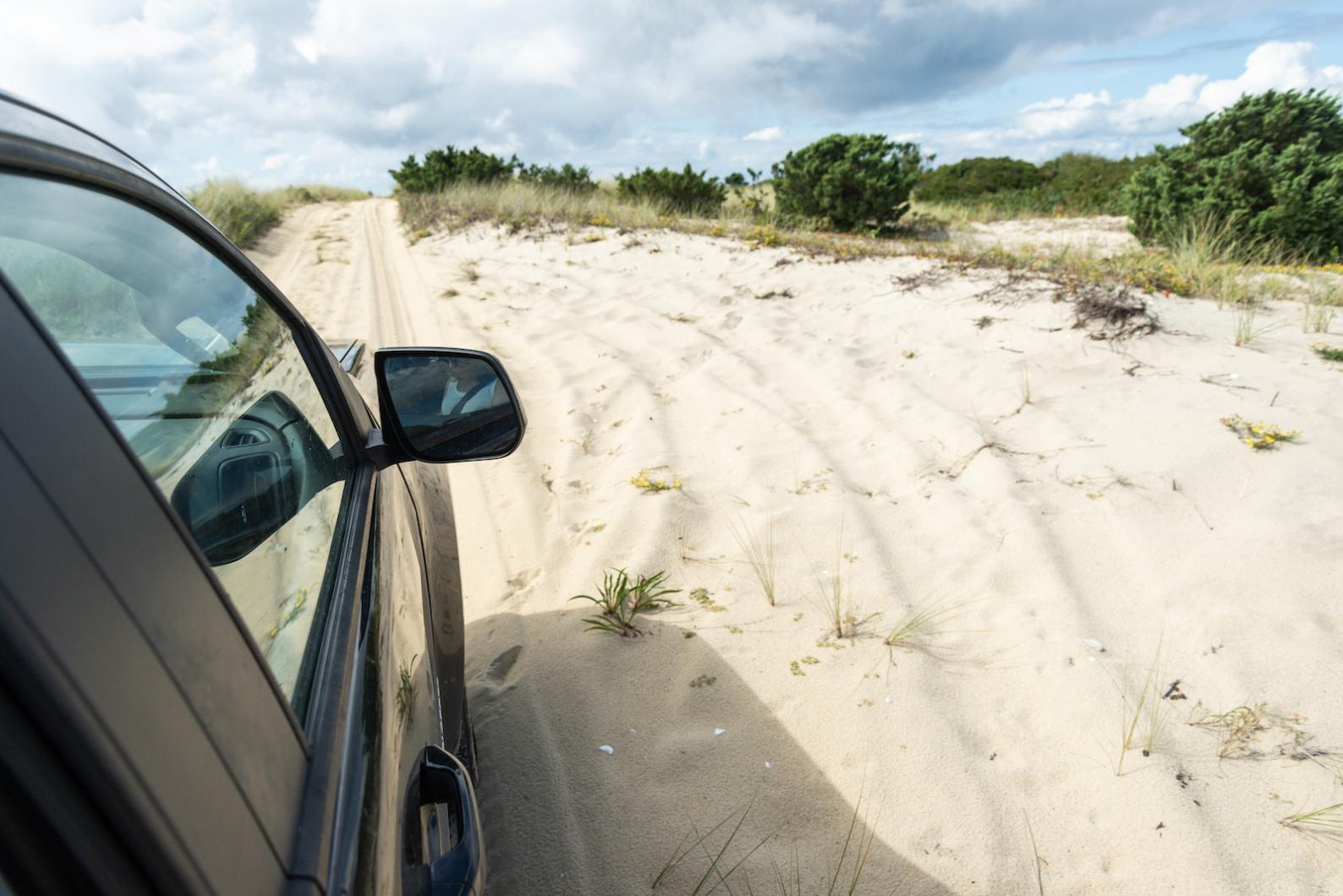
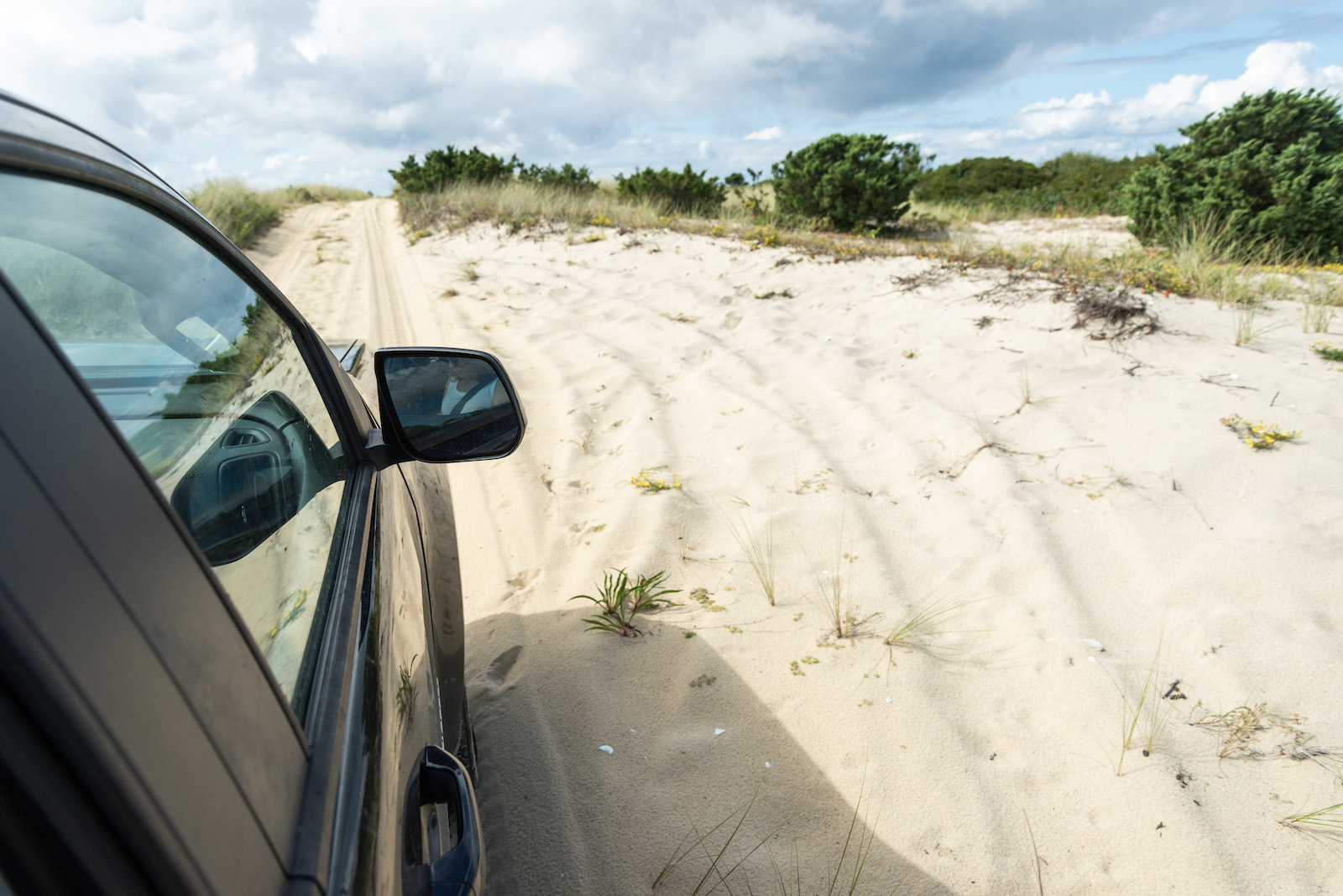
The practice of driving SUVs and trucks out to the beaches of Chappaquiddick is popular with fishermen and beachgoers, but controversial. The conservation commission debated vehicle limits for months and took dozens of comments.
The commission ended up capping the Leland and Wasque trails to 200 vehicles and Cape Pogue to 30, prompting appeals from the Trustees, which felt the limits were too low, and neighbors, who felt their were too high.
The land court had not set a date to hear the latest appeal, and the state Department of Environmental Protection is still considering the appeals on vehicle limits.
Comments
Thank you Trustees for
Hellen ChappyThank you Trustees for fighting for public access for residents of Chappy, Edgartown, MV, and elsewhere.
On a peak summer weekend
Lillian Emery Chappaquiddick, MAOn a peak summer weekend there can be 200 OSVs spread across the miles and miles of Cape Poge and Leland beaches. If OSVs are prohibited, where will people park? There are no where near 200 parking spots on Chappy, not to mention only small slivers of the beach are near the roads (so biking doesn’t help). The fact of the matter is that OSVs are the only way to access these beaches. The town needs to realize this fact, after all the town allows OSVs on Norton Point which is similarly remote.
If people can not drive to
Albert GosnoldIf people can not drive to the beach they will not go?
Boats and feet access these beaches.
Albert
Rich Thompson EdgartooAlbert
Chappy has no public transportation and very few of us own boats. You suggest people are going to walk 5 miles from the Chappy ferry to the beaches? With their children and beach chairs? Does that sound reasonable?
I agree whole heartedly
JJ Klink Naples FloridaI agree whole heartedly
The town has repeatedly taken
Neil MVThe town has repeatedly taken steps to harm the Trustees of Reservation, first at the FARM Institute and now on Chappy. The town appears to be trying to gain control of the beaches of Chappy so the town can take over management as the town did with Norton Point. The town taking over management, however, will be a loss to the people of Martha's Vineyard because the the town ceased 24/7 access to Norton Point, which prevents night fishing (a true treat), and the town ceased allowing dogs, rendering hunting nearly impossible. Leland Beach is owned by the state for hunting and fishing, and in addition to being a prime fishing destination, Leland Beach and Pocha Pond are also prime waterfowl hunting destinations.
This will likely impact the
Jim KatamaThis will likely impact the Chappy Ferry. Losing 200 fare paying cars a day in the summer months will have a major impact on the ferry's finances. They will likely need to raise fares.
Key word *conservation* not
Former trustees employeeKey word *conservation* not public access. The Trustees values money over conserving the land. Cars are destroying our beaches. The comments here show just how backwards the thinking on this island is. Yes conservation cost money but limiting OSVs is free.
First, half of the beach
Brian D. EdgartownFirst, half of the beach (Leland) is owned by the state expressly for fishing and hunting access (which requires OSVs, 24/7 access, and dogs)—it is not owned for conservation, other than conserving fishing and hunting environments. Second, OSVs do not destroy the beaches as they drive on established trials. storms destroy the beaches, just look at South Beach this past winter, which does not allow OSVs.
Add new comment