


It is clear that the Island is losing the fabric of its community at a mind-boggling rate because of the lack of affordable housing here.
It is clear that the Island is losing the fabric of its community at a mind-boggling rate because of the lack of affordable housing here. We all know someone who had to leave but wished they could have made a life here, if only they had been able to secure a place to live. Last year, we came together as an Island to vote in support of the housing bank. Once it has passed through a lengthy legislative process, the housing bank will be an impactful tool in creating new sources of funding for affordable housing initiatives across the Island.
However, if we have any chance of altering this trend of hemorrhaging our housing stock and trying to keep our friends, neighbors, co-workers and schoolmates on-Island before it is too late, we have to start thinking outside the affordable housing box and begin to consider new and creative steps that each town can take to address its own particular brand of housing concerns.
A short-term rental tax was approved and the monies have been coming in to each town. There is money available to jumpstart some of these grassroots initiatives. The West Tisbury Affordable Housing Committee (WTAHC), of which I am a member, was asking the Affordable Housing Trust (AHT) for a portion of this new tax revenue to start a pilot program with regard to accessory dwelling units (ADU) and create a warrant article for voters this spring. It seemed to us to be an obvious means to fund this particular initiative.
But as is typical of all workings of town government, the path from beginning to end is not always a straight one, and getting this important initiative into the residents’ hearts and hands has been a particular challenge.
In West Tisbury, we have been talking about “attainable community housing” every chance we can. The ADU warrant article, in broad strokes, is designed to assist homeowners in the development of more accessory dwellings. The completed units would be deed-restricted and rented exclusively to year-round tenants earning up to 140 per cent area mean income (AMI) — an increase from the current 80 per cent cap available to most “capital A” affordable housing applicants. This broader definition of “attainable” is an attempt to include and sustain our community of professionals — teachers, EMS workers, nurses, farmers — who are increasingly caught in that ever-growing economic limbo between earning too much and too little.
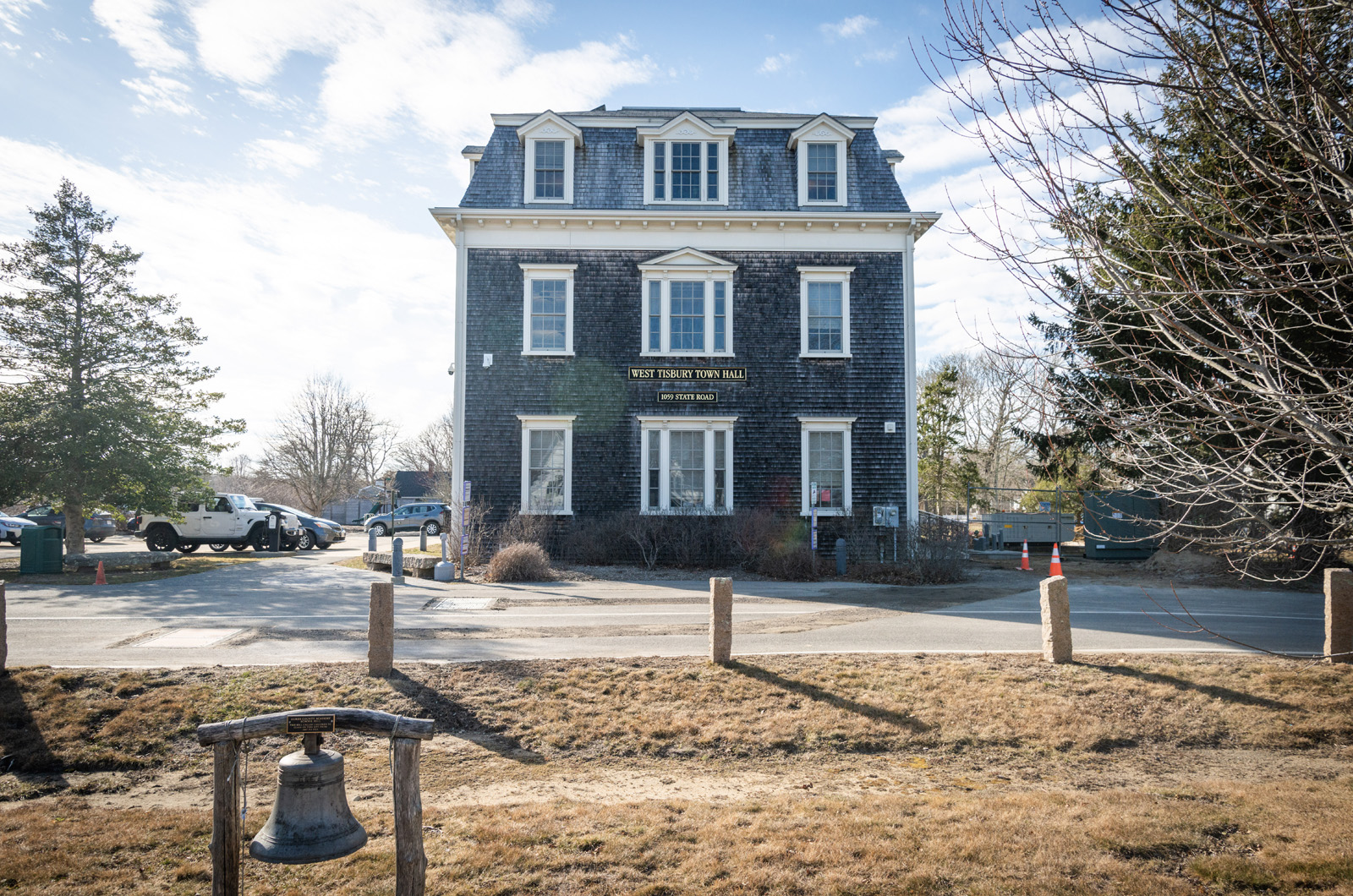
The West Tisbury affordable housing committee has spent the past few months crafting a warrant article, with valuable feedback from all manner of consultants, including a land-use lawyer along with housing initiative proponents who are volunteers and professionals in the field. After considerable vetting, the article was brought to the select board ahead of a hard deadline, where it was pre-emptively rejected without so much as a public review of the document. This was the third meeting at which we were denied the opportunity to discuss the merits and detriments of the proposal, despite having jumped through all the requisite bureaucratic hoops.
I am relatively new to the inner workings of town government. In the five years I have served on the planning board, this is only the second opportunity I have had to be involved in bringing a warrant article to town meeting. It has been useful for me to consider the success of that first experience in order to understand the challenges of this second one, and to offer it to myself and others for use as a roadmap moving forward.
Starting in 2019, I served as the planning board liaison to the Preserve West Tisbury subcommittee of the West Tisbury planning board. This was an initiative to clarify and establish parameters for the design and construction of residential buildings. The article passed by an overwhelming majority and ultimately became a new bylaw in West Tisbury. What many may not realize is just how much collaborative consensus-building and community effort preceded that vote. The planning board oversaw this process at the request of the committee by offering their thoughtful, well-considered perspective and procedural resources. The planning board administrator, along with the elected board members, facilitated and assisted this committee in every necessary capacity. The end result of their due diligence was a document ready to take to the voters.
My understanding at the time was that placing the article on the warrant ahead of the deadline was more of a procedural component designed to foster the process. The most important work was yet to come. Conversations with our fellow voters at the post office, Conroy’s and in the aisles of Cronig’s — where the idea was hashed out in real time and in person — was where this concept gained ground. At no time was overwhelming support a given; it was hard-earned and came about by presenting the document to the voters to discuss and ultimately decide. Anyone who has ever been a part of this compelling process, when a shared commitment to affect change for the good of one’s community is palpable in the room, will know what I’m talking about.
It was this collaborative experience that led me to make major changes in my life so that I could devote even more of my time to engaging with the towns and the Island community at large, working towards creating more sustainable solutions to the housing crisis; a crisis that threatens our community more and more each day.
In an effort to stay positive and enthusiastic in this endeavor as a newly-minted public servant, I will not spend more time addressing the challenges the AHC has been facing as we work towards bringing another initiative to life for voters’ consideration. If I have learned anything these past five years, it is to focus on solutions and continue to align myself with those who are similarly committed.
To that end, I would like to encourage and facilitate an opportunity for the voters to weigh in and help the affordable housing committee bring this document into the light and the streets of our town — so that the people can have their voices heard, whatever the outcome may be.
Speaking as an elected member of town government, I’d like to remind voters that any influence we as officials have is given to us by the people who elected us. I’d like to take the opportunity you have bestowed upon each of us to do the best work we can within the framework of small-town government.
And so my question to you is: how can we help? Maybe you’d just like to learn more about the ADU article; maybe you have suggestions to offer; maybe you’d like to play a role in creating the next draft. I’d love to hear from you — in fact, it’s an important part of my job. Please reach out and let me know your thoughts at [email protected].
Amy Upton is a member of the West Tisbury planning board, and its appointed representative on the Affordable Housing Committee.
Comments
A key feature of 'small town
Prudy Burt West TisburyA key feature of 'small town government' is an effective system of checks and balances. In this case, our selectboard did their job and provided a 'check' by determining that this initiative was not ready to go in front of the voters, and I thank them for it. It is my understanding that questions and concerns raised during conversations between the affordable housing committee and the select board were not addressed in the final document presented at last week's selectboard meeting.
This process has been very different from that of the 'big house bylaw'. As Ms. Upton points out, there were numerous public hearings during that process, affording the public ample opportunity to ask questions and provide input. There has not been a single dedicated and advertised public hearing about this proposed warrant article. To now push for a special town meeting with a warrant article that has not had this kind of public input is irresponsible.
I urge the affordable housing committee to cease with the hyperbole and get down to the real work of working with the selectboard to ready this warrant article (including review by town counsel) for careful review and consideration by town meeting voters.
I am proposing to do what you
Amy Upton West TisburyI am proposing to do what you are suggesting -now - and a special town meeting is the sanctioned mechanism by which to do it. With all due respect Mrs. Burt, I do not appreciate the gaslighting, thinly veiled by old school virtuosity and inaccurate information. It was always the intention of the AHC to bring the document to the fore for an interactive and robust discussion. We were never permitted an opportunity to do so. Maintaining the appearance of doing one’s job and actually doing one’s job is not the same thing. The many folks on MV who find themselves in the category of being housing insecure might take issue with the implication that putting off this important housing initiative for another year would not be negatively impactful, especially coming from someone who may well have a secure place to call home.
Amy Upton, you are an island
Molly Martone MVAmy Upton, you are an island treasure.
Add new comment