

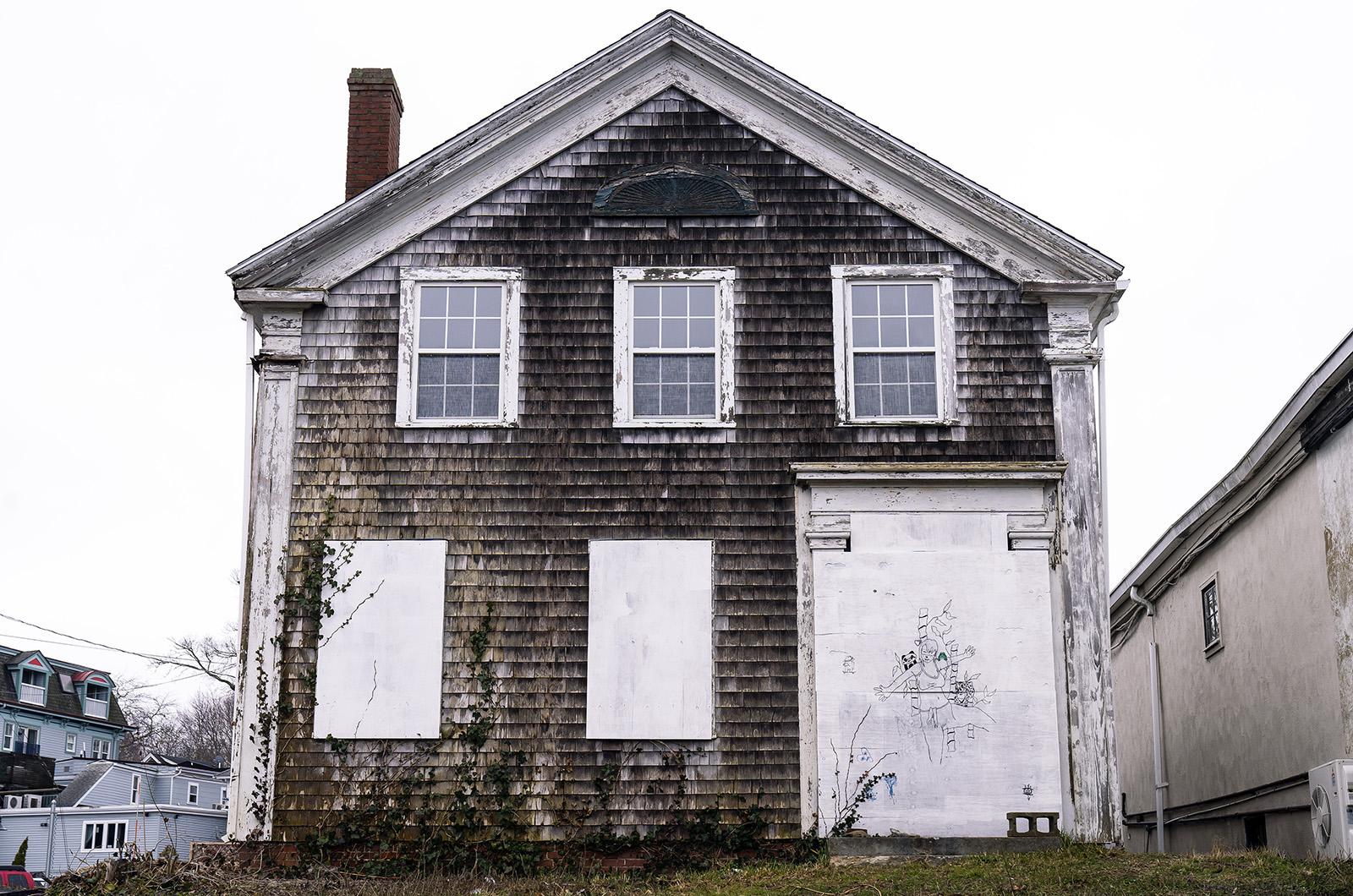
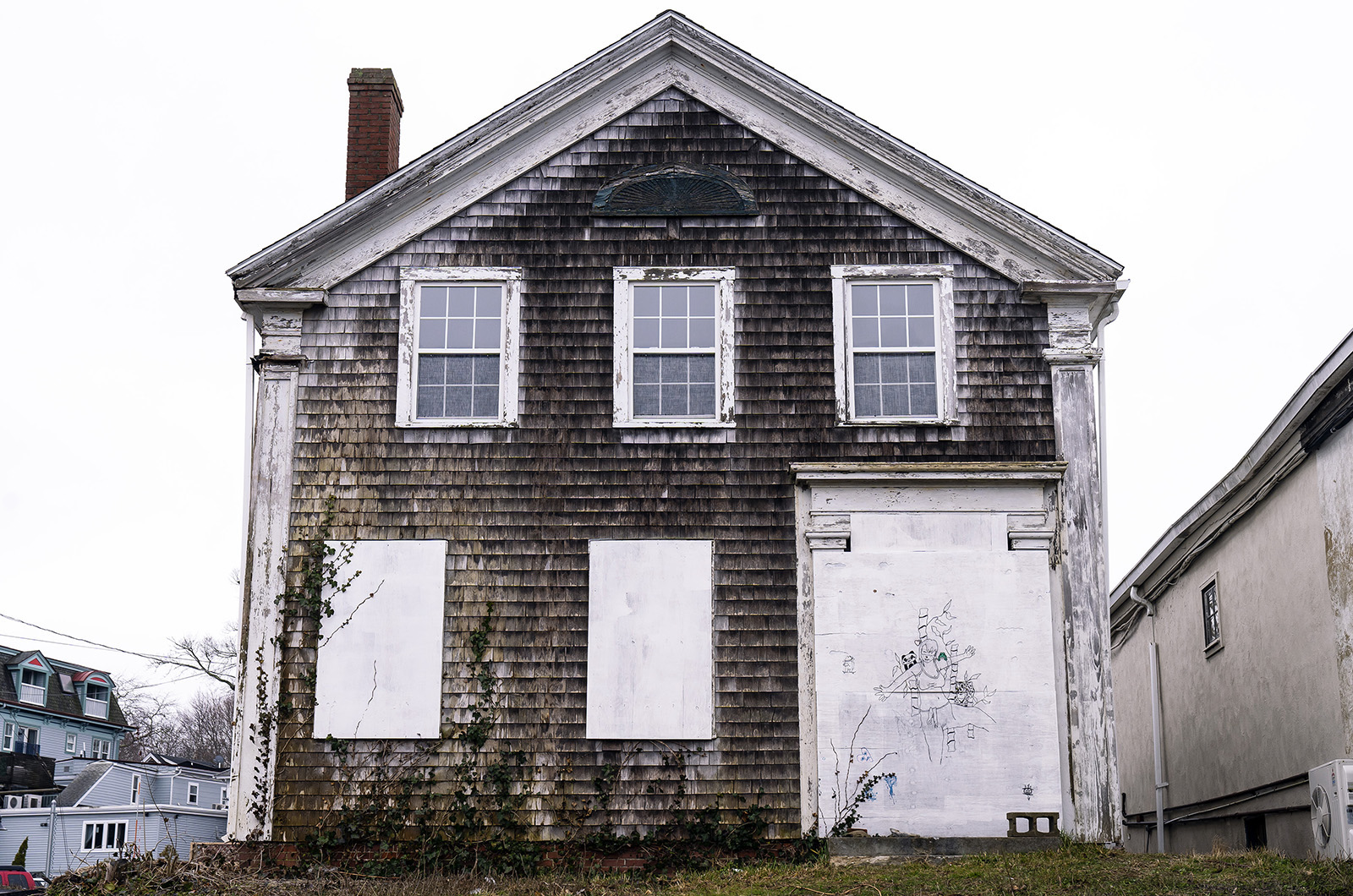
Is it historic or just old? The answer isn’t always so clear when it comes to houses and other buildings on the Vineyard.
Is it historic or just old?
The answer isn’t always so clear when it comes to houses and other buildings on the Vineyard. Some are indisputably past their useful lives and should be demolished for safety reasons, if nothing else. Others were built well enough and cared for in such a way that they will continue to serve their purpose long into the future. Still others elude clear answers. What is clear is that the Vineyard has some of the oldest, most diverse, and most well-preserved architecture in the country, which largely defines its unique character.
The Martha’s Vineyard Commission (MVC) was established by an act of the state legislature in 1974, in response to growing concerns that development could eventually overwhelm and obliterate the Island’s unique values. Key among the specific values listed in the act are the Island’s historical and cultural values. Since at least 1987, the demolition or significant alteration of historic buildings has been subject to review by the MVC. It has reviewed about 55 historic demolitions since then, with the vast majority approved, remanded to the town without full review or withdrawn.
How many historic houses are there on the Vineyard?
Historic buildings are generally defined as those more than 100 years old or listed in a historic register. About 11 per cent, or 2,390, of the 21,000 buildings on the Island fall into this category. About 40 per cent are located within the historic districts in Edgartown, Oak Bluffs, Tisbury and West Tisbury, where demolitions are subject to detailed review by local agencies. However, the remaining 60 per cent, scattered around the Island, are outside those districts and receive limited protection. To help fill the gap, buildings proposed for demolition that are at least 100 years old, or listed in a register, and outside the districts are subject to review by the MVC in accordance with its state-approved procedures.
The MVC saw a surge in all types of development project reviews during the Covid-19 pandemic, from about 25 per year to 61 in 2021, and 61 again in 2022. The uptick, which included 20 historic demolitions or alterations (more than one third of all such reviews since 1987), brought to light a need for clearer guidelines as to how the Commission reviews demolition proposals. In May 2022, the Commission adopted a Historic Preservation Policy, replacing its previous demolition policy from 2017. Among other things, the new policy makes clear that “historic buildings on Martha’s Vineyard should be preserved to the greatest extent possible, and that demolition should be considered only as an extreme last resort.”
To justify the loss of buildings deemed historically significant, applicants are expected to have explored alternatives such as preservation, restoration and relocation.
The policy also lists the factors that the Commission considers when reviewing a demolition proposal. In assessing the historical significance of the structure, for example, the Commission will consider age, historical context, design, previous alterations and contribution to the streetscape. In some cases, it will also evaluate any proposed replacement in light of the original.
The Commission will often work with independent experts to evaluate specific aspects of the proposal, and values the opinions of local experts, including historic district commissions, as to historic relevance. In the end, based on a record of facts, the Commission must weigh the benefits and detriments and either approve (sometimes with conditions) or deny the proposal.
Rollout of the policy in 2022 involved meetings among Commissioners, MVC staff, realtors, historical commissions, town building officials and other stakeholders. A follow-up meeting with stakeholders will take place 4 p.m. March 22 at the MVC building in Oak Bluffs. Members of the public are encouraged to attend and provide feedback. The full policy is available at mvcommission.org or by emailing MVC executive assistant Lucy Morrison at [email protected].
Looking back over the last 49 years since the MVC’s founding, each surge in development has typically been followed by a period of relative calm, which may again be the case looking forward. One benefit of the pandemic and associated development boom is that the MVC, with its new policy, has emerged with a clearer road map for evaluating demolition requests. When the next wave of development arrives, as it inevitably will, the MVC will be better prepared to evaluate each demolition proposal with fairness, and more effectively preserve one of the Island’s most valuable resources.
As always, the success of these efforts depends largely on public awareness and continued feedback from stakeholders.
Joan Malkin is the chair of the MVC.
Comments
Thanks to you and the MVC for
Moira Cullen Chilmark/CAThanks to you and the MVC for addressing complex and often nuanced issues with so much thought and integrity. I am grateful for your service!
Agreed Moira, the Commission
Mitzi Pratt AquinnahAgreed Moira, the Commission is a resource we are fortunate to have and a great legacy of the inimitable Michael Wild
Thank you for this thoughtful
L. A. Brown EdgartownThank you for this thoughtful editorial and for your time, commitment and energy to the island's growth. As a photographer on MV since the 1970's, I have seen so many historic homes and buildings go. Architecture is one of the crucial historic fibers of our island. It seems to me, it is not only super important to save what we have, but also to make sure the new builds are also in keeping with the spirit of the island. The use of a covenant or historic architectural requirement can keep things island like. However, the quality, thoughtfulness of the build and indeed the attention to the overall impact to the neighborhood are also vital details for the survival and integrity of this cherished island feel. In the recent boom, it seems the edges are being pushed, pushed, pushed.
Add new comment