

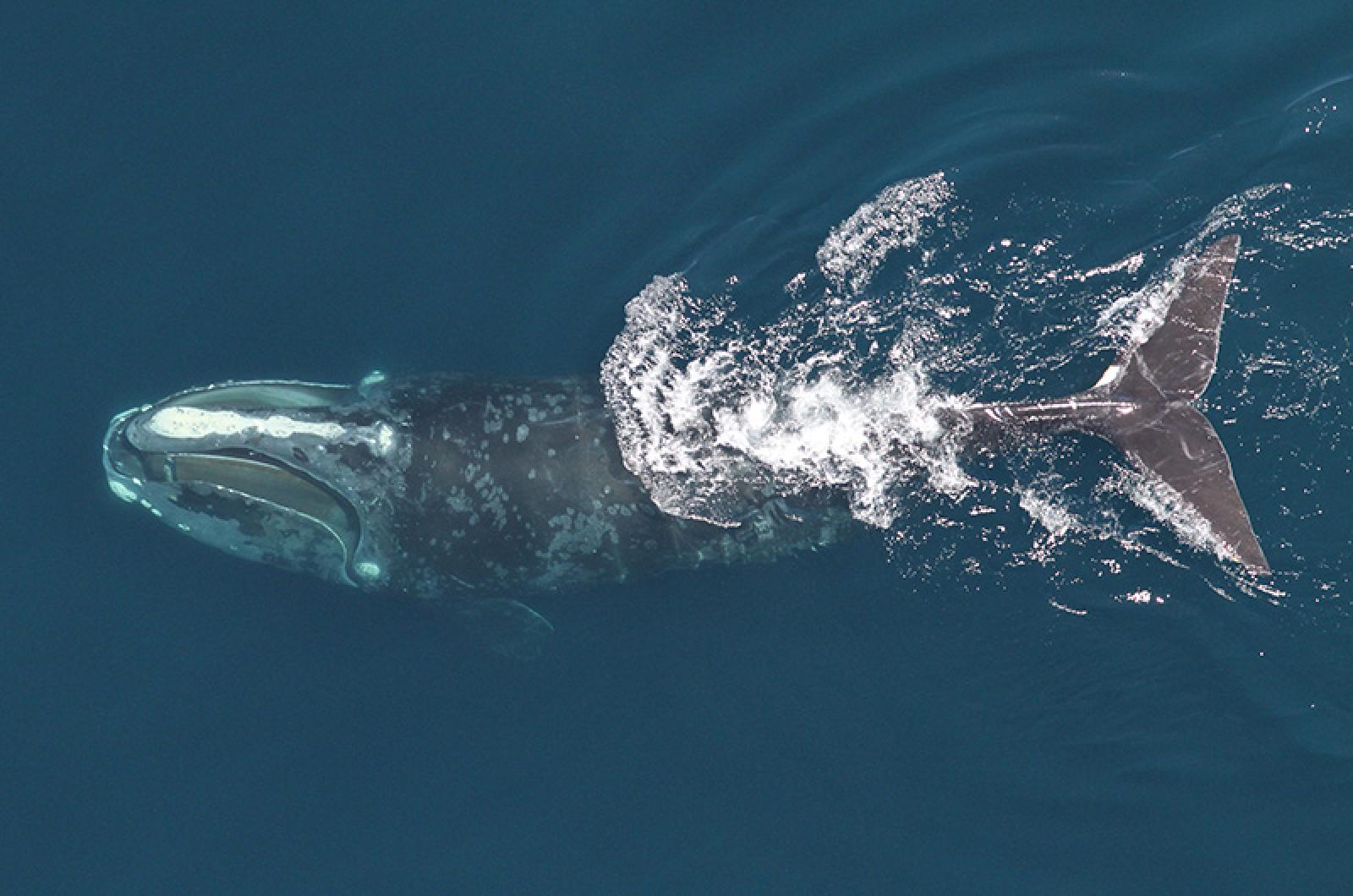
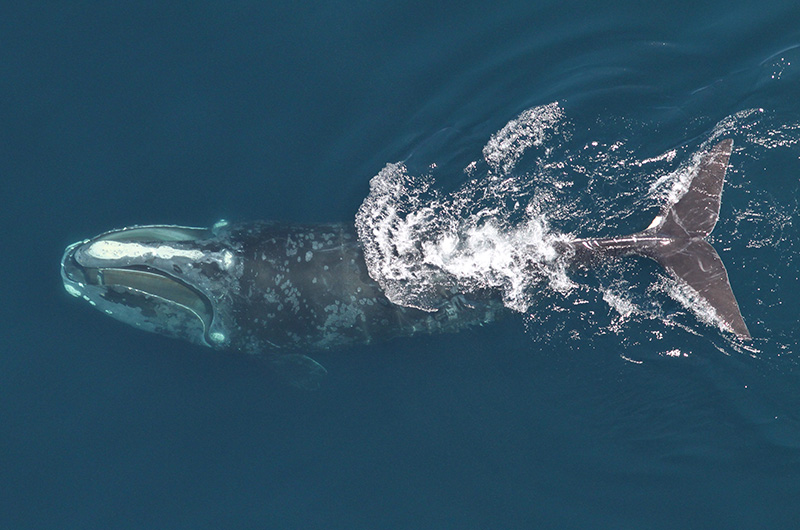
A new biological opinion will require fixed gear and trap pot fisheries in the Northeast to reduce entanglements by 87 per cent over the next decade.
As North Atlantic Right whale populations continue to dwindle, the National Oceanic and Atmospheric Administration has put out a new biological opinion that will require fixed gear and trap pot fisheries in the Northeast to reduce whale entanglements by 87 per cent over the next decade.
Issued by NOAA Fisheries on May 27, the nearly 600-page opinion includes a phased, four-step conservation framework to cut down on serious injury and mortality for the species throughout federal waters along the Atlantic coastline, although it does not detail the specific conservation measures necessary to achieve the reduction.
The opinion follows a federal U.S. District Court ruling that NOAA had violated the Endangered Species Act by not adequately regulating the lobster industry, instituting a Take Reduction Plan that allowed for approximately three times as many right whale deaths per year as was sustainable.
Current conservation measures proposed by NOAA’s right whale take reduction team include new rules on the Jonah crab and Northeast region lobster industry that focus on gear markings, vertical line and rope reduction, seasonal fishery restrictions or closures and weaker rope for pots. The rules represent the first phase of the conservation framework, and will reduce right whale serious injury and mortality by an estimated 60 per cent.
But the new biological opinion and conservation framework claims that is not nearly enough to save the species from extinction.
“We recognize that the fishing industry has implemented all the required mitigation measures since 1997. However, data suggest that mortalities and serious injuries of right whales continued at higher rates than are sustainable even with the measures implemented under the Take Reduction Plan,” the framework reads. “As a result of climate change and exposure to mortality in unregulated areas, the persistent deaths and injuries in U.S. fisheries cannot be sustained by the reduced North Atlantic right whale population.”
While the current proposed regulations would allow for an estimated 2.67 right whale deaths per year (or 27 over 10 years), the new conservation framework looks to get that number down to 0.136, or approximately one death every eight years. Climate change, gear entanglement and vessel strikes are the primary threats to the species, according to NOAA Fisheries.
The conservation framework will require further mitigation measures in gill net and trap fishing industries by 2023 that will reduce the annual take to 2.61, and then requires extending mitigation measures to all fixed gear industries to reduce entanglement mortality to 1.04 by 2025.
After 2025, NOAA plans to evaluate whether mitigation efforts outside federal waters further reduce annual mortality from entanglement to one whale every two years. If so, NOAA will evaluate whether further action is needed to obtain the required 87 per cent reduction.
Although increasingly rare, right whales are often spotted in state waters, including large aggregations in Cape Cod Bay during the spring. They also migrate through waters south of Martha’s Vineyard and Nantucket.
After an unusual mortality event in 2017 which saw more than 20 whale deaths and no calf births, there have been 17 calves born during the 2020-2021 winter season, with one known calf death due to a vessel strike. There were only 22 calves born in total between 2018 and 2020.
Recent population estimates put the number of known right whales between 350 and 400. Scientists estimate that the species needs approximately 20 annual calf births to sustain its population and avoid extinction.
The new biological opinion comes after both state and federal agencies instituted seasonal lobstering bans in waters along the Massachusetts North Shore, and south and east of Nantucket and Cape Cod. A proposed seasonal ban for state waters near Martha’s Vineyard and the South Shore was changed after pushback from local stakeholders.
Comments
Good, but I think the "take"
Carol formerly ChilmarkGood, but I think the "take" reduction should be 87 percent THIS year & all future years. When I was in high school (on the Island), I made extra money by shucking scallops, mending longlines & baiting codfish tubs. But I am done with the fishing industry - the damage being done to this species by it (especially lobstering, but gill nets & everything else with a line, too) is stomach-turning. Until the lobster industry adopts tech that raises traps without lines, I'm not buying one damned lobster. Enough of wiping out the right whales.
Agree Carol! The fishing
Carl EdgartownAgree Carol! The fishing industry has a strangely successful habit of digging their own grave ecologically, and then bolstering their dwindling profits with public funds and, now on island, nonprofit dollars. If the preservation minded would only value marine life the same way they valued seeing a perpetually unchanging Menemsha waterfront, perhaps this rampantly destructive industry would finally face the consequences of centuries of resource extraction.
[email protected] You are 100%
Man Against Extinction New Hampshire[email protected] You are 100% correct. The official position of the fishing industry and all the non-profits is that the entangling of right whales can continue UNTIL the federal government agrees to spend a billion dollars equipping all the fishermen with ropeless gear. In June there will be a trial in federal court in Boston to get an order to do the opposite. To stop Massachusetts from any further licensing of fishing gear that kills whales and sea turtles. Its the industry's responsibility to spend the money to make their fishing gear safe for wildlife. They should have done this yesterday and north tomorrow.
MV Environmental Film
Richard Paradise Vineyard HavenMV Environmental Film Festival presents ENTANGLED tonight at 7:30PM at #MVFILMCENTER with Q&A with filmmaker David Abel afterwards via Skype.
ENTANGLED is an award-winning, feature-length film about how climate change has accelerated a collision between one of the world’s most endangered species, North America’s most valuable fishery, and a federal agency mandated to protect both.
Information at https://mvfilmsociety.com/2021/05/mveff-2021-entangled/
But what about the Japanese
Jared EdgartownBut what about the Japanese whaling industry? We try to eliminate tangling issues, Japanese try to harpoon them, just saying.
Add new comment