

<p>The Aquinnah tribe says enough is enough: the U.S. Supreme Court should reject a last-ditch plea by the town of Aquinnah, the state and a community group to hear an appeal in the long-running casino case.</p>
The Aquinnah tribe says enough is enough: the U.S. Supreme Court should reject a last-ditch plea by the town of Aquinnah, the state and a community group to hear an appeal in the long-running casino case.
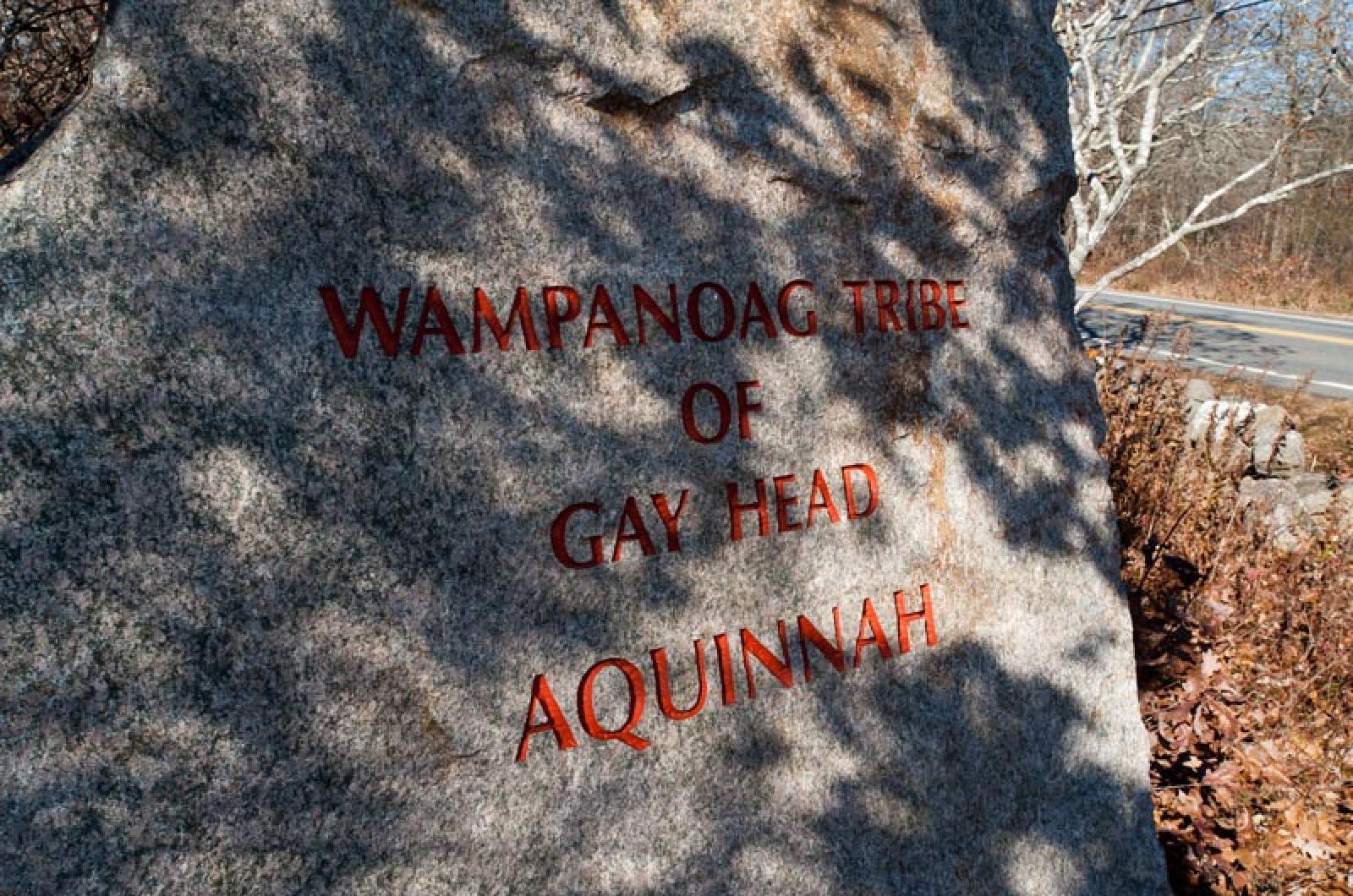
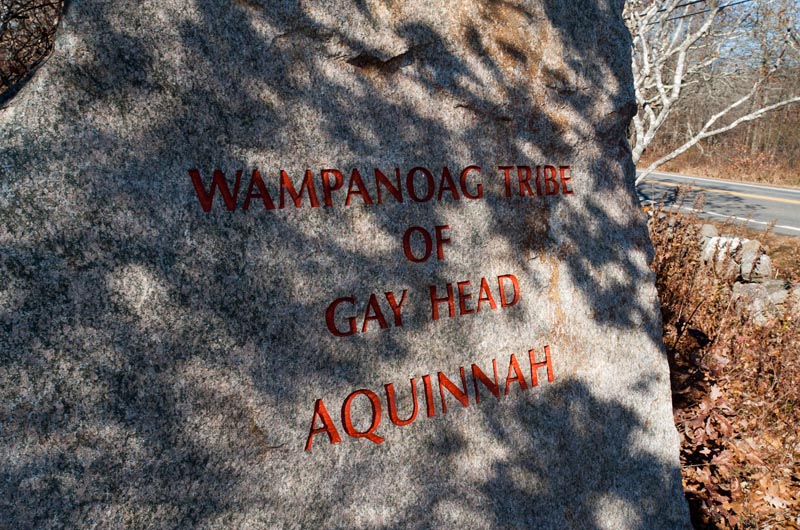
The Wampanoag Tribe of Gay Head (Aquinnah) this week filed its opposition to the groups’ petitions for certiorari, which ask the court to review an appellate court decision that sided with the tribe.
In that ruling last April, a three-judge panel of the U.S. Court of Appeals for the First Circuit in Boston concluded that the tribe has the right to build a bingo hall on tribal land in the westernmost reaches of the Vineyard.
The odds are long that the nation’s highest court will hear the case, which has wound its way through the federal courts for the past four years.
The central issue is whether the federal Indian Gaming Regulatory Act (IGRA) enacted in 1988 supersedes a land claims settlement act approved by the state, the town, the tribe and, ultimately in 1987, Congress.
In 2015, U.S. District Judge F. Dennis Saylor 4th ruled that IGRA does not trump the settlement act, a decision that was reversed by the First Circuit Court.
But in its response filed Monday, the tribe’s lawyers say the Supreme Court has rejected all previous pleas to review similar issues in other cases, and should do the same in the Aquinnah case.
“This court has already considered numerous petitions asking it to address whether IGRA prevails over tribe-specific acts insofar as they purport to give states jurisdiction over gaming on Indian lands,” the response said.
“The court has denied them all. It should do so again here.”
In effect, the tribe asserts that the vast weight of the law is on its side, including the First Circuit’s decision. And its lawyers add that the case presents no potentially broad impact that should merit the Supreme Court’s attention, but merely involves a small gaming hall
with a few hundred electronic machines on a remote corner of an Island.
“The case raises no issue worthy of this court’s review,” according to the filing.
In their petitions filed last August, gaming opponents said the First Circuit ruling was wrongly decided and the case, in fact, does pose significant issues that would affect tribes in several other states. They specifically pointed to a 1994 decision in the Fifth Circuit Court involving a Texas tribe in which its restoration act with similar gambling restrictions was not repealed by IGRA.
But in the 30-page legal rebuttal filed this week, the tribe’s attorneys said the case has been well settled by other courts. In Texas, there was a more specific gambling prohibition in that tribe’s federal restoration act, in contrast to the Massachusetts Settlement Act which says the state and town have the right to regulate or prohibit gambling but does not specifically ban it, according to the tribe’s filing.
The settlement act language says that the tribe is “subject to the civil and criminal laws, ordinances and jurisdic
tion of the commonwealth of Massachusetts and the town of Gay Head, Massachusetts (including those laws and regulations which prohibit or regulate the conduct of bingo or any other game of chance.)”
The fact that the same Congress that first drafted and passed the settlement act and then, a year later, IGRA has been interpreted differently by the two sides. The town, state and community group insist that Congress fully intended that the Massachusetts restrictions survive IGRA, legislation that established a nationwide regulatory framework for Indian gaming.
However, the tribe said the Massachusetts act was merely a temporary measure until IGRA was passed. Before then, a Supreme Court decision had left uncertainty across the country about the regulation of Indian gaming.
“Once Congress enacted IGRA, the settlement act’s stopgap resolution of the gaming question was no longer needed,” the tribe’s lawyers argued.
In a press statement emailed to the Gazette Tuesday, tribal chairman Cheryl Andrews-Maltais reiterated the tribe’s belief that it will prevail.
“Once the petitions are denied, we hope the commonwealth and the town will take the tribe up on its longstanding offers to coordinate efforts between our governments so that the entire community will benefit from the tribe’s economic development activities,” the statement said.
The town now has the opportunity to respond to the brief. The court could decide whether to review the case later this month or by early December.
The gaming project would help underwrite tribal programs in health care, housing, education and elder and day care programs, according to tribal leaders. A consultant hired by the tribe estimated annual revenue from such a facility could net more than $4.5 million.
The focus of the project has been a 6,500-square-foot building that was originally scheduled to be a community center, using federal Housing and Urban Development grants for construction. In 2015, the tribe announced that it intended to use it for the gaming hall, but later reversed that decision. The building was completed this year, and has played host to various community activities.
Comments
Reading this article I’m
Concerned Citizen AuinnahReading this article I’m curious how the entire community could benefit from the tribe making money on a bingo parlor.
So casinos on average have a
John EdgartownSo casinos on average have a 40% gross profit, so let's assume that since there is likely no tax implications on the tribe, then $4.5 million equates to roughly $11.25 million in annual gross revenue - the logistics of running and the cost of getting people to the casino aside - the vast majority of that revenue needs to be earned in 3 months with some shoulder season effect. If that's the case then for the three primary months they need to pull in about 3 million or $100,000/every day. If I were a tribe member, I'd get a second opinion...and let's not forget about paying the US Tax payers back for the building....
Are these number real?
rambo f ChappyAre these number real?
I don't want the tribe taken advantage of.
Don't buy a pig in a poke. if you don't know what this means, LOOK IT UP.
I am curious if the tribe is
Upislander AquinnahI am curious if the tribe is allowed to change the use of a community center to a bingo casino vis a vis what will certainly be a large increase in car and bus traffic in order to earn the $4.5 million annual net revenue. If there is a study yielding estimated annual revenue then hopefully traffic considerations have also been included. Does the town or the MVC have any say about operating hours. Finally, I’m also wondering about outside lighting both in the building and a parking lot. The proposed expansion of the Stop and Shop in Edgartown immediately raised concerns about increased vehicular traffic and is being considered in evaluating the approval of that expansion. The Martha’s Vineyard Museum commissioned a traffic impact study relating to their future home in Vineyard Haven. Have there been any similar concerns or studies done regarding this proposed project ?
Add new comment