

<p>New statistics from the state, as well as from local doctors and police, leave little doubt that the scale of heroin and prescription narcotic abuse on Martha’s Vineyard is on the rise.</p>
Amid the escalating opioid crisis across Massachusetts, new statistics from the state Executive Office of Health and Human Services, as well as from local doctors and police, leave little doubt that the scale of heroin and prescription narcotic abuse on Martha’s Vineyard is on the rise, claiming more lives and destroying more families.
“My God, what a tragedy,” said Dr. Charles Silberstein, an Island psychiatrist who is certified in addiction psychiatry and treats recovering addicts. “We’ve never seen this, a phenomenal epidemic here.”
“It’s brutal, it tears your heart in half,” said Hazel Teagan, who has counseled addicts seeking treatment at the Martha’s Vineyard Hospital emergency room for many years. Many of them are people she knows, or knows their family.
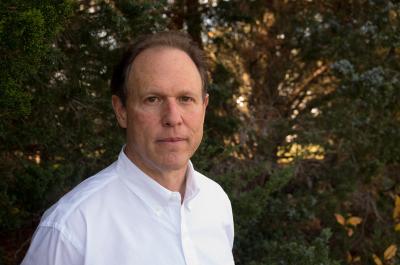
Dr. Charles Silberstein treats addiction and tracks overdose statistics.
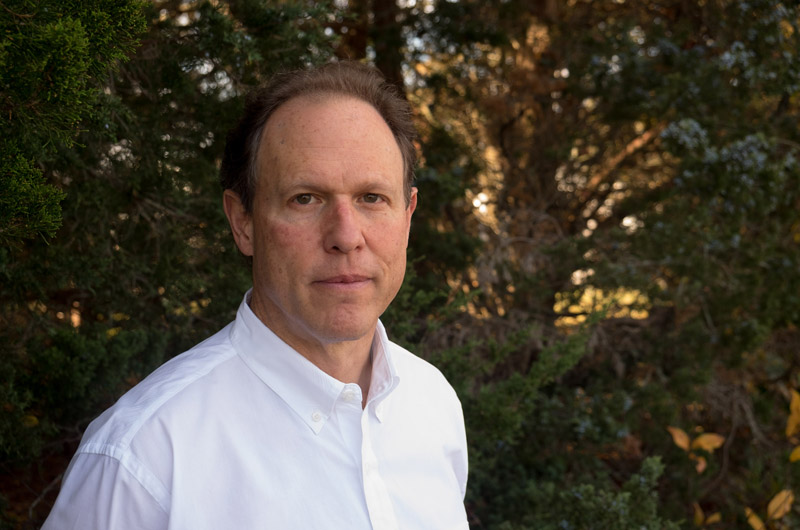
Dr. Charles Silberstein treats addiction and tracks overdose statistics.
“It’s your businessmen, it’s your student, it’s the mother and father, professionals, all walks of life,” she said.
Statistics on overdose deaths are difficult to assess. Year-to-year comparisons are made more challenging by the dramatic increase in prescription opioid abuse, and public health officials have changed what is counted as an opioid overdose as recently as last year. There is a lag in reporting of death certificates, often because of pending investigations into the cause of death. Suicides among people struggling to cope with addiction are not uncommon, according to police and medical providers, but suicides are not included in the data. State public health officials have developed a model, which incorporates as many variables as possible, to project estimates of the data, even before all suspected cases of opioid overdose fatalities are confirmed. State data for 2014 includes some projections from this model.
According to the new data, statewide 911 people died of heroin or prescription opioid overdoses in 2013, a 36 per cent increase over the previous year. In 2014, 1,089 deaths are confirmed and public health officials project that number will rise to 1,256 once all the data from death certificates and other sources is in. Using the projection, the number is also a 36 per cent increase over the previous year.
By contrast, 371 people died in motor vehicle accidents in Massachusetts in 2014.
State data also shows a sharp increase in fatal opioid overdoses on the Vineyard. According to Health and Human Services, there were 15 fatal opioid overdoses on the Island from 2000 to 2014. The state counts one fatality in 2013 and five in 2014. But Dr. Silberstein believes the numbers are off.
“I think the state’s numbers are way too low,” he said. “I counted at least six deaths last year. This year I’ve counted at least 10.”
Police and medical providers say emergency calls for overdoses are steadily on the rise.
Police and medical providers say emergency calls for overdoses are steadily on the rise.
His counts, while not official, reflect the observations of someone on the front lines of heroin and prescription narcotic addiction treatment and prevention. Within the community of recovering addicts, news of an overdose death travels fast, and Dr. Silberstein hears about it quickly.
He also tracks Vineyard residents who die of an overdose elsewhere.
“I’m counting the people who are connected to Martha’s Vineyard, who have lived here and have family and friends here,” Dr. Silberstein said. “People go where the heroin is cheaper, so they go off-Island.”
State data tracks only deaths caused by an opioid overdose. But according to local police, there has been a dramatic increase in response calls for overdoses that do not end in fatalities. Most police departments and all EMTs on the Island now carry naxalone (Narcan), which can quickly reverse the effects of a narcotic overdose.
Edgartown police Det. Michael Snowden, who investigates drug crimes as a member of the Martha’s Vineyard Drug Task Force, said calls for opioid overdoses have reached a troubling level during the past year. “Absolutely. It’s almost once a week where an ambulance is being called for a patient with a possible overdose,” he said.
Last year, according to the state’s prescription drug monitoring program, medical providers on Martha’s Vineyard wrote 8,704 prescriptions for opioid pain medications. A total of 595,884 pills were dispensed to 2,462 individuals for powerful pain medications like oxycodone (Oxycontin), hydrocodone with acetaminophen (Vicodin), or oxycodone with acetaminophen (Percocet). The average amount dispensed to each person was 244 doses.
That only counts the pills sold legally.
Until January 2013, reporting to the state prescription drug monitoring program was voluntary. Now physicians who renew their licenses are automatically enrolled in the reporting program, but reporting is still voluntary for pharmacies. At the end of 2014, 66 per cent of the eligible doctors in Massachusetts were enrolled. About 27 per cent of pharmacies are enrolled in the program.
Police and medical providers report many people turn to heroin after becoming addicted to prescription pain medications, evidence backed up by scientific research. The increase in the number of people using heroin closely mirrors the increase prescription narcotic abuse. A 2013 nationwide study by researchers Pradip Muhuri, Joseph Gfroerer and Christine Davies established that in the period from 2002 to 2011, four out of five people who began using heroin for the first time had used prescription pain medication in the previous year.
Still, state data indicates Martha’s Vineyard has fewer prescriptions filled and fewer pills dispensed, according to its population, than many other areas. Even harder hit by the epidemic, according to the data are Cape Cod, Bristol, Essex and Middlesex counties.
Increased rates of substance abuse in geographically isolated areas is well documented by scientific research. In a small, isolated community like the Vineyard, where most people know their neighbor, and family relationships extend across the Island, those who see the scourge on a daily basis talk about its devastating effect.
“Sometimes it’s amazing how much opiate addiction you see in one family,” said Dr. Silberstein.
“We’re a closer community so I think we feel it more,” Ms. Teagan said.
Comments
Not everyone that uses those
Ben there edgartownNot everyone that uses those meds for pain management abuses them. Perhaps some of the suicides are from having to suffer intense pain. I can't have a lot of procedures done since I'm prone to blood clots and have had a pulmonary embolism that almost killed me. I believe the worst abusers are the age 20 to 35, they go out partying and drinking on them. Let's pray the people that need help get it without making the ones that truly need them suffer because some can't control the number of pills they take.
The drumbeat keeps getting
Bill Croke EdgartownThe drumbeat keeps getting louder and louder. And yes, it is horrible to see it escalating here. Let's hope we're able to come together around this crisis and start taking steps to address it before it gets even worse. Lives are at stake.
Steve Myrick-the problem with
paul adler west tisburySteve Myrick-the problem with this article is that you are mainly interviewing those that benefit financially from addiction problems. The current treatment is transferring addiction to legal opiods, like suboxone and/or methadone, not solving problems. That together with thousands of poorly managed half way houses and rip off treatment centers, often run by social workers, are harming the addicted population. If you want to write a complete and balanced article, please do some research.
Once again Enforcement,
Ed .... EdgOnce again Enforcement, Accountability and Harsh Punishments. OBama says drug dealers selling dope is a victim-less misdemeanor and he is now releasing 6,000 of them to go back on our streets as we speak. I hope all you fools who voted for him especially twice have many sleepless nights as you are a major part of the problem weather you want to admit t or not!!
Ed, Cite your sources for
Mark Davis NYCEd, Cite your sources for this misinformation. Please get your facts together before spewing this garbage. Selling dope is not a misdemeanor, its a Felony.
"...medical providers on
Linda Smith"...medical providers on Martha’s Vineyard wrote 8,704 prescriptions for opioid pain medications. A total of 595,884 pills were dispensed to 2,462 individuals..." These numbers are astounding! They suggest that an extremely high percentage of our community has obtained and filled a prescription for opioids. If 100,000 of these pills fall into the wrong hands, and are sold for 5 buck each, we are looking at $500,000. I do believe that our doctors are concerned Vineyard resident too, but it's time to investigate the need for these numbers. Are all 595,884 pills actually providing a benefit to the patients that hold these prescriptions? For me there are as many questions as answers in these numbers.
Those numbers are astounding.
Carol formerly ChilmarkThose numbers are astounding. I wonder where the "prescriptions written" number came from, since 595,884 divided by 8,704 = 68. An average prescribed amount of 68 pills sounds too low, since some people with serious pain issues (back injuries, e.g.) take opioids on an ongoing basis. Is it possible that the author of this article erred, and 8,704 is "prescriptions filled", not "prescriptions written"?
We need more resources dedicated to substance abuse treatment & recovery, as well as much more research into new painkillers that (1) don't make the patient high, and (2) are not addictive.
"Heroin is a multibillion
Frank Brunelle Beach Road, Vineyard Haven"Heroin is a multibillion dollar business supported by powerful interests, which requires a steady and secure commodity flow. One of the “hidden” objectives of the war was precisely to restore the CIA sponsored drug trade to its historical levels and exert direct control over the drug routes.
Immediately following the October 2001 invasion, opium markets were restored. Opium prices spiraled. By early 2002, the opium price (in dollars/kg) was almost 10 times higher than in 2000."
Sorry but I think the doctors
Liz EdgartownSorry but I think the doctors here on MV are contributing to this problem. Handing out pills like they're candy and contributing to the problems. It seems like when addicts go to the "addiction specialists" here on MV, they get more pills but no counseling or effective intervention. Drug addiction is tearing families apart. Bringing people back to life with Narcan would be good if there was going to be a change in their behavior - unfortunately that doesn't happen very often. It just prolongs the misery.
The island mass produces
islander Martha's VinyeardThe island mass produces addicts, including alcoholics, and doctors here are not only no help, they are a hindrance. Paul Adler is right on the MONEY. One addict gets sober, and three more start using, which must be nice for the doctors prescribing opioids and then suboxone. See the article in today's NY Times:
http://www.nytimes.com/2015/11/08/opinion/sunday/how-doctors-helped-dri…
Absolutely agree.. It's very
gina Menemsha/nycAbsolutely agree.. It's very sad that the medical/pharma community prefers to treat opioid addiction with another detrimental drug as suboxone.. Remember when methadone was first introduced as a way to wipe out ( replace) heroin ?? Methadone clinics became big business with a dreadful "cure" track record.. Not to mention how expensive suboxone is... read profit center..
Add new comment