
The 66th annual Christmas Bird Count was held on Sunday, Dec. 28. There are so many highlights that I do not know where to start!
The 66th annual Christmas Bird Count was held on Sunday, Dec. 28. There are so many highlights that I do not know where to start!
The most important highlight was the weather. Thankfully, it was close to ideal on count day; it was cold but sunny with light winds generally less than five miles per hour. The bright sun helped make it feel comfortable. The weather the day before and after the count was less than favorable, with cold temperatures, cloudy skies and strong gusty winds. It was warmer the day after, but it also rained most of the day. We were lucky.
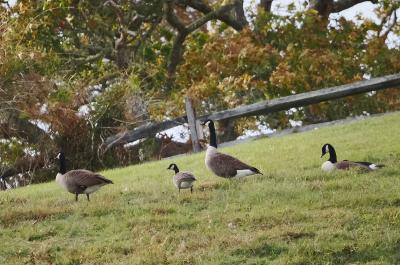
Cackling Goose with Canada Geese

Cackling Goose with Canada Geese
After birding until sunset, many of us gathered at the Wakeman Center to compile the results of our day-long birding marathon. We did well, finding 124 species, which is above our average of 120 species (our highest total is 130 species, which has happened twice). We counted 20,880 individual birds, which is close to our average of 20,629 birds over the past decade.
The numbers reported here will change. The results are from 60 or so birders who were divided into 13 field teams, counting all the birds they found within their assigned territories. The results summarized here do not include all the feeder-watcher reports, which often add a species that the field teams did not see. And field crews still need to review their totals to ensure the tally did not either miss a species or double count birds that might have been seen from an adjacent territory. The final results of the count will be published once they have been compiled.
We saw two species that have not been observed in any prior count, bringing the total number of species seen since 1960 to 227. A cackling goose is half the size of our abundant Canada geese and was in observed in Chilmark from Nov. 5 to Nov. 18. It had not been seen since, but the Squibnocket team found what is likely the same bird.
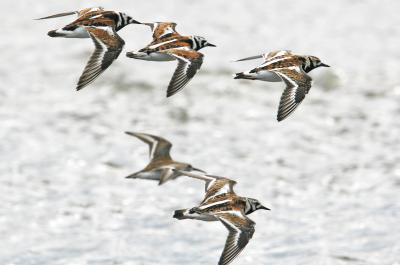
Ruddy Turnstones

Ruddy Turnstones
Another new species for the count is the rufous hummingbird, which has been coming to the same Chilmark heated sugar-water feeder since Nov. 23. This is only the second time we have had hummingbirds on the count. The first was in 2012, when we saw both an Allen’s and a ruby-throated hummingbird. These additions mean that we now have seen 227 species on the counts since 1960.
Two species established new high counts. We counted a total of 425 ruddy ducks in the Aquinnah and Squibnocket territories, the previous high (278 individuals) was established just two years ago, on the 2023 count. This year was only the eighth time ruddy turnstones have been seen on the count, and the new high is 13 individuals spotted in the Oak Bluffs and Edgartown territories. The previous high was three species from two counts, in 2005 and again in 2009.
We also found some two species that were not expected: sora and Lapland longspur. A sora is in the rail family and was spotted by the mainland Chappaquiddick team. They are not very common, as they have only been seen on the 1991, 1993 and 1999 counts. Lapland longspurs are seen more frequently, with nine previous sightings, most recently on the 2013 and 2014 counts. Two were seen this year, one each by the Oak Bluffs and Edgartown teams.
Cheers from the tally audience erupts when only one team finds a species. After all, that species would have been missed if that team had not found it. There are 20 species found by only one team.
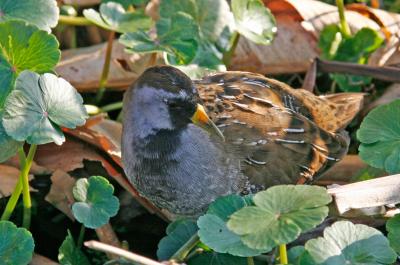
Sora
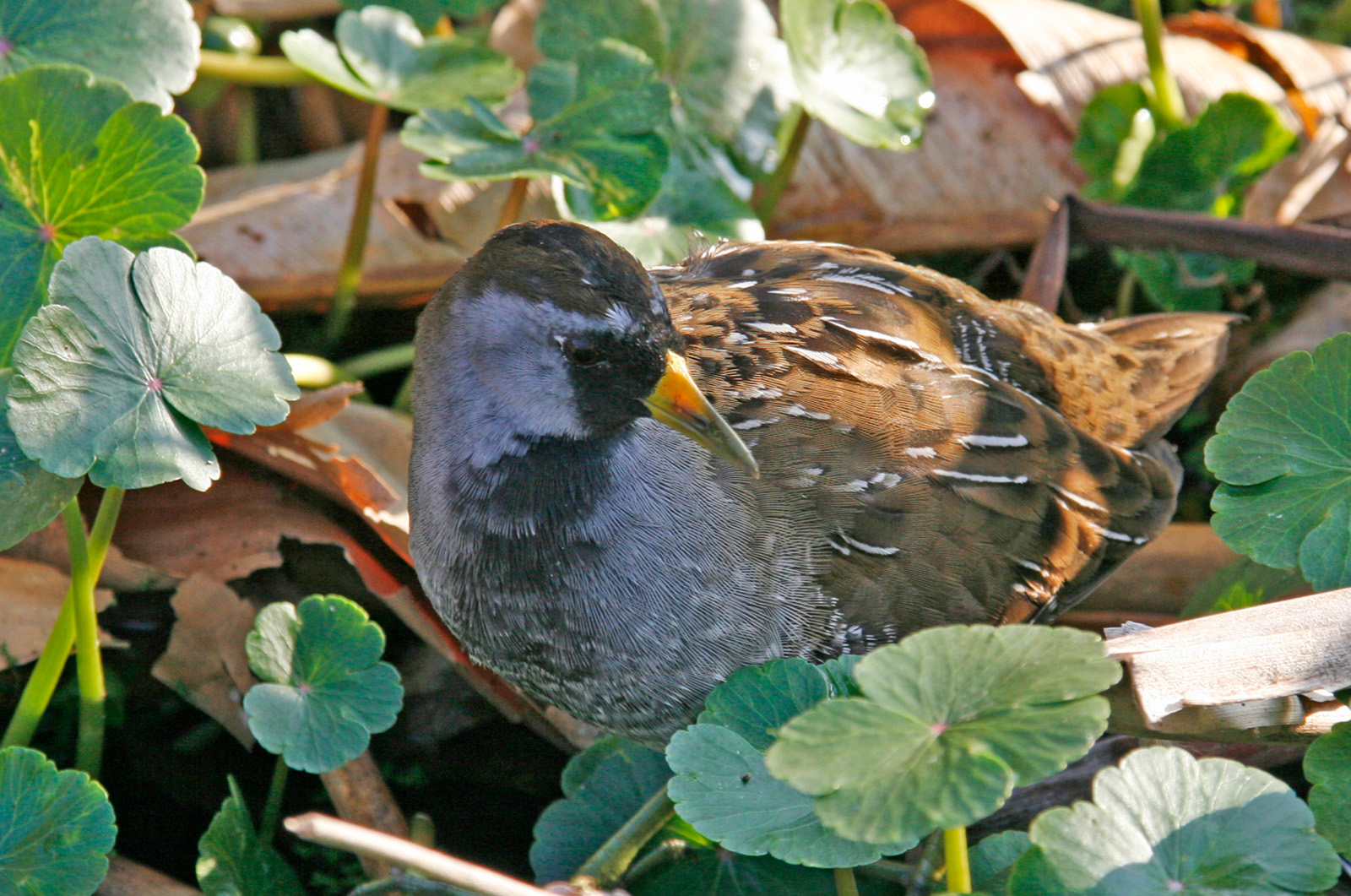
Sora
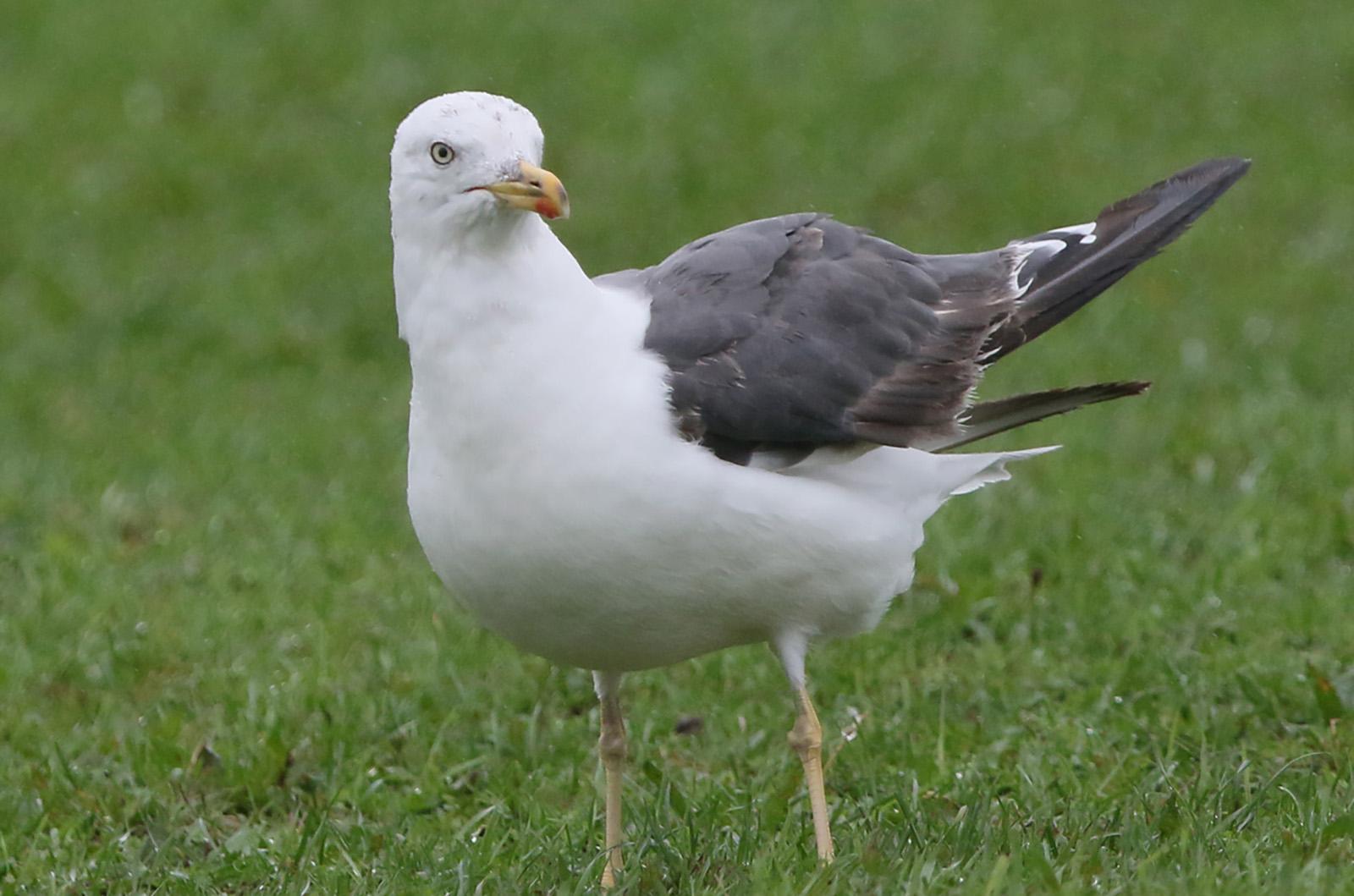
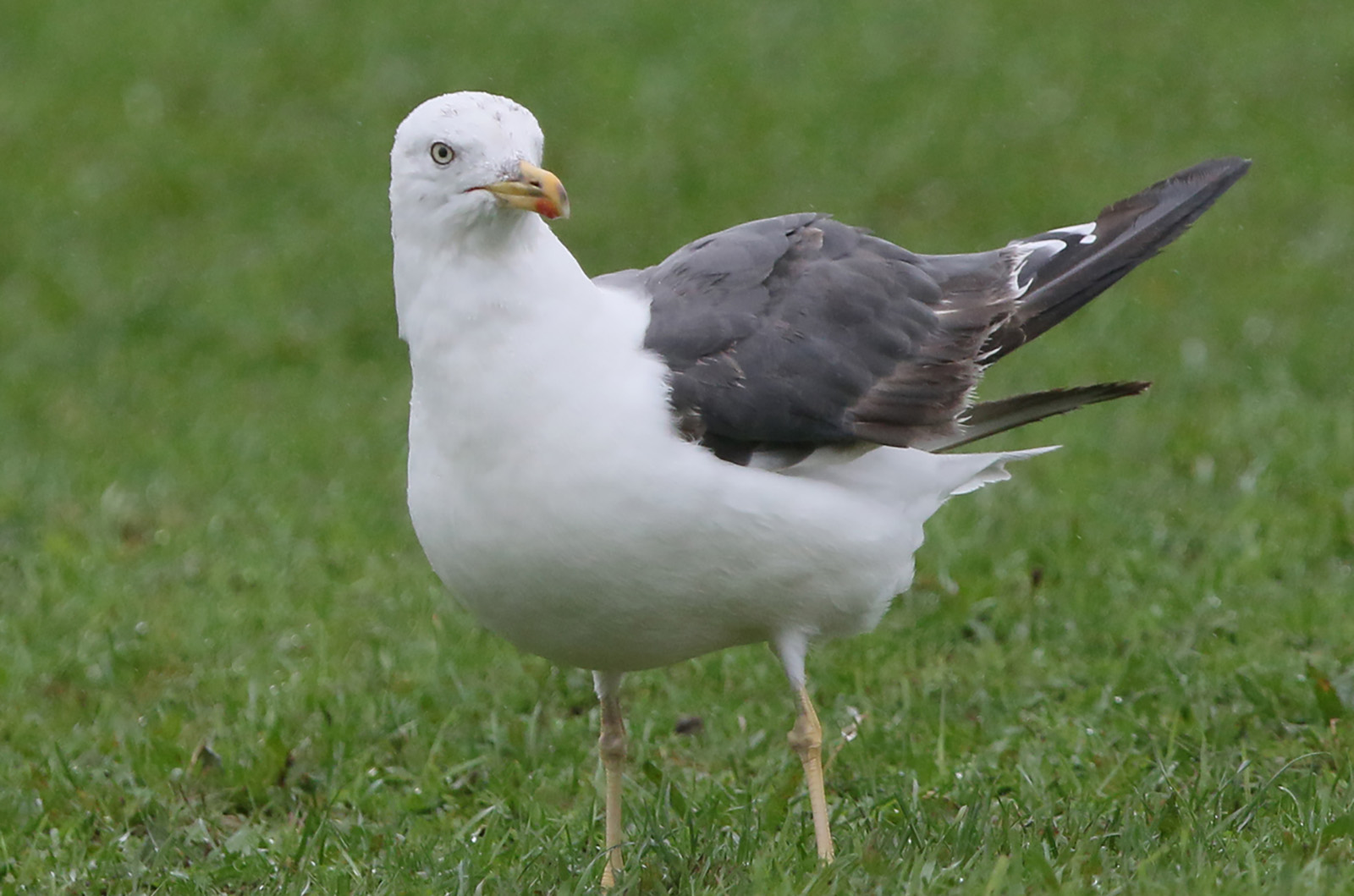
These species are listed here with the finding team in parentheses. They are: purple sandpiper (Aquinnah); cackling goose (Squibnocket); rufous hummingbird (Menemsha); Virginia rail, American coot and killdeer (Quansoo); wood duck and brown thrasher (Lambert’s Cove); American oystercatcher and winter wren, (Oak Bluffs); northern pintail, great egret and lesser black-backed gull (Long Point); common merganser, northern saw-whet owl, American kestrel, peregrine falcon and eastern phoebe (Edgartown); sora (Chappy mainland); snowy owl (Chappy beaches); and common grackle (feeders). This list includes almost one sixth of the species we found on the count.
No ring-necked ducks were observed on count day, although 24 were at Crystal Lake on Dec. 18, and eight of them were at Seth’s Pond on Dec. 24.
Northern shovelers were also missed as their most recent sighting was a pair at Mud Creek on Dec. 14. The absence of these two ducks may be due to the scarcity of open water, as ice covered most of the ponds (two days of below-freezing temperatures will do that).
The day after the count, Janet Woodcock found four shovelers at Crystal Lake, so they were almost certainly present even though they were missed on count day.
Also missing were eastern meadowlarks. The last time they were missed was in 2006. My data suggests that this species has not been seen this fall.
Allan Keith had a white-crowned sparrow at his feeders from Dec. 22 to Dec. 27, but it was not seen on count day.
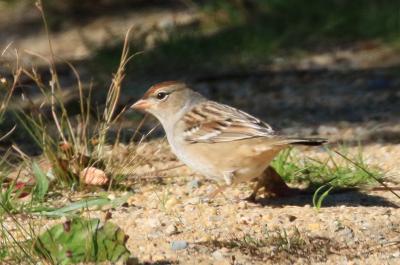
White Crowned Sparrow
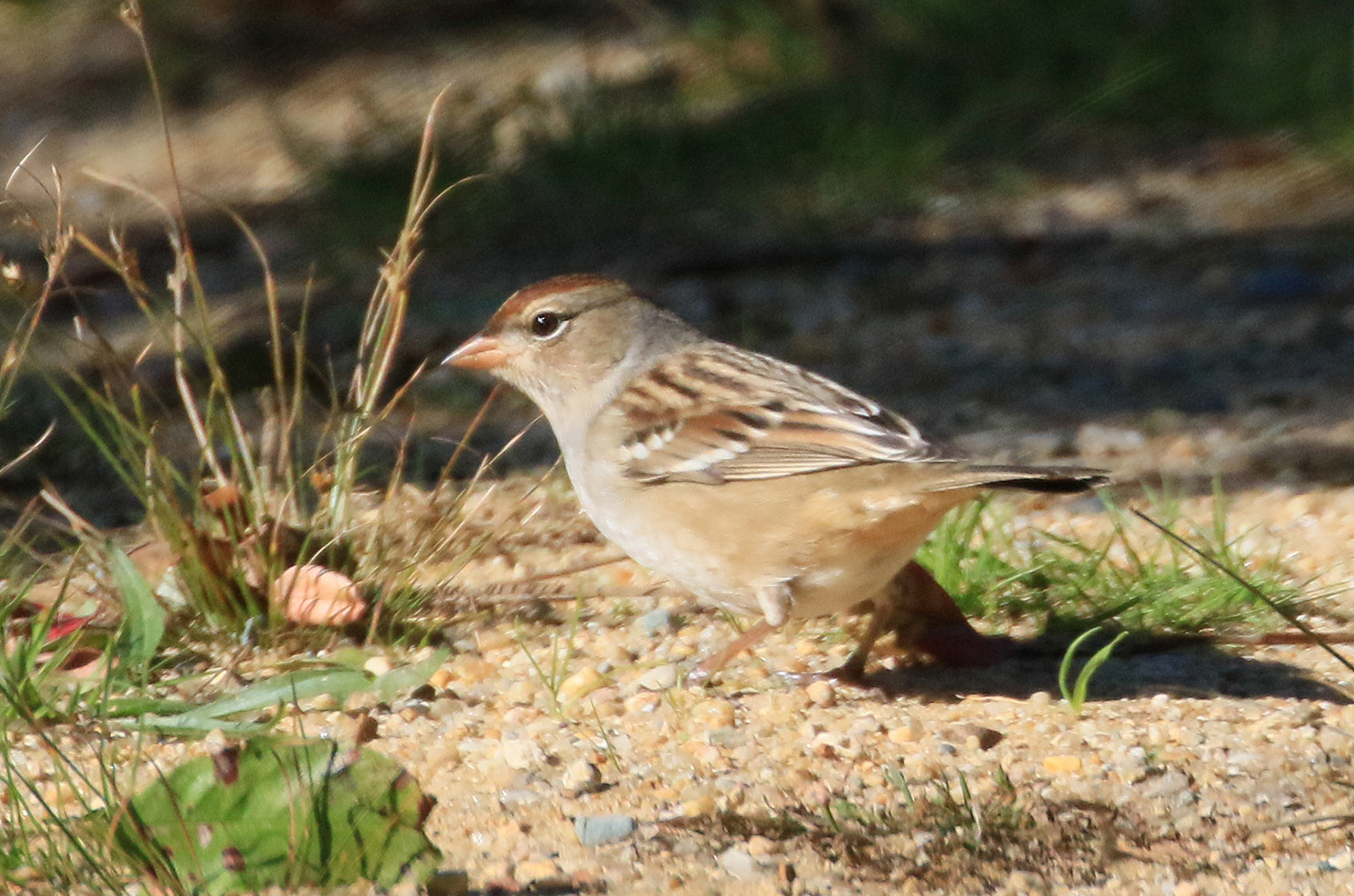
White Crowned Sparrow
As both northern shovelers and a white-crowned sparrow were seen within three days of the count, they will be listed as count period species and do not count in our species totals for the day.
Another count period species is the evening grosbeak — at least seven of them were observed and photographed at Shelley Scheuer’s West Tisbury feeders on Dec. 29.
Finally, Luanne Johnson deserves a huge shout-out! She is the compiler who organizes the count. Everything went smoothly, which means that she and others at BiodiversityWorks did a lot of work behind the scenes. The food at the tally was delicious and plentiful, a nice reward for a long day in the field. Thank you.
Please email your sightings to [email protected].
Robert Culbert is an ecological consultant living in Vineyard Haven.
Add new comment