

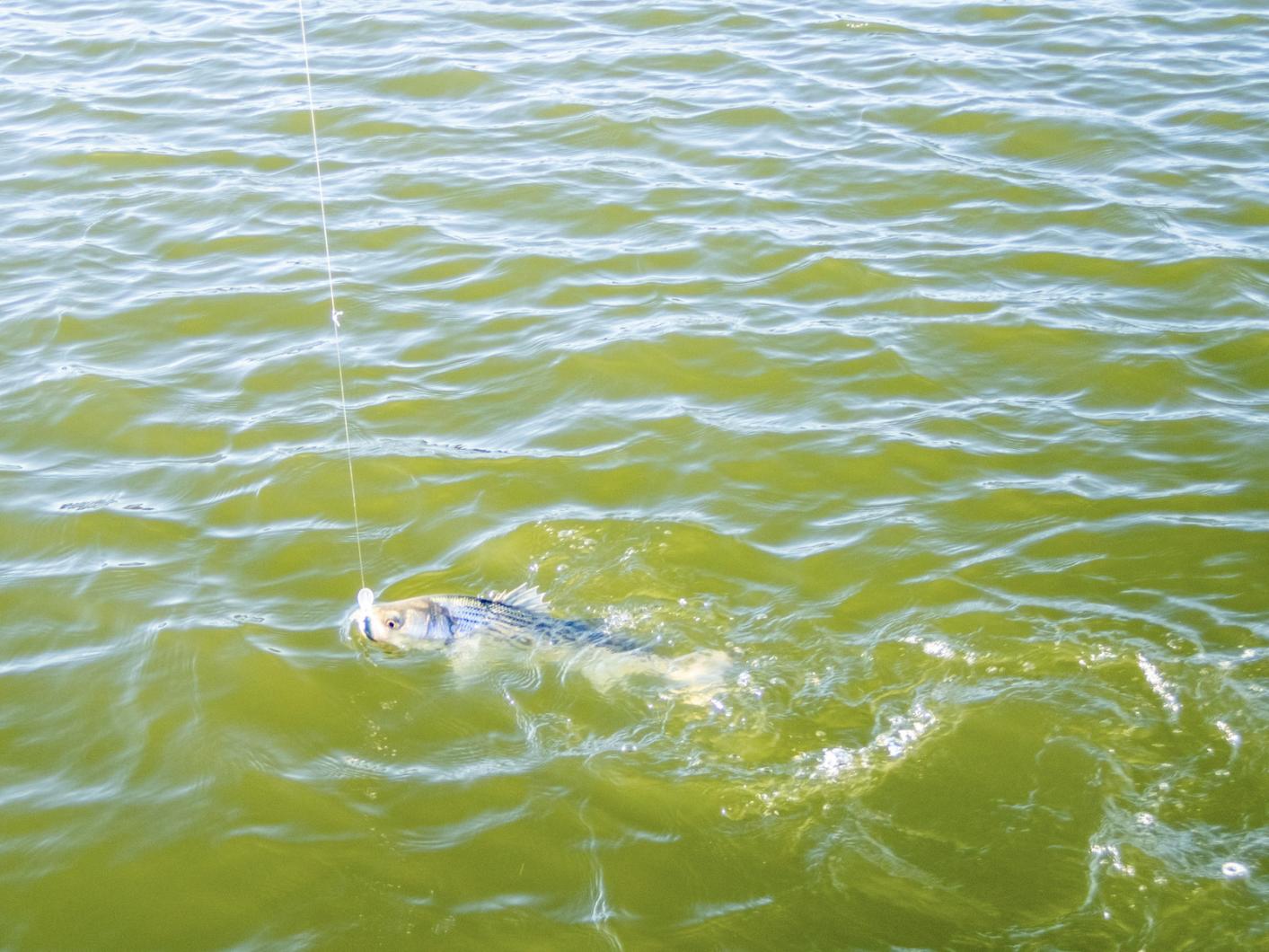
The Atlantic States Marine Fisheries Commission voted last week to keep the status quo for striped bass. The interstate regulatory board was considering a 12 per cent reduction in striper harvest to protect the species.
Despite the calls for change from Massachusetts, east coast fishing regulators last week declined to take up proposed changes that were aimed at protecting striped bass.
The Atlantic States Marine Fisheries Commission’s striped bass board voted on Oct. 29 to maintain the status quo for the fishery instead of enacting proposed measures that would have cut striper harvest by 12 per cent for both commercial and recreational fisherman.
The move was frustrating to some who worry that the decision to do nothing will further doom the beloved fish, though the majority felt taking action on potentially out-of-date stock projections would wreak havoc on people who rely on the species.
“It’s an extremely important decision in the name of conservation. It’s an extremely important decision in the name of socioeconomics,” said Adam Nowalsky, a member from New Jersey.
Striped bass, a favorite on the Vineyard and for anglers coastwide, have been struggling for years, and new classes of fish have not been as strong as the past, according to the commission. Earlier this year, a report found that the female spawning biomass was 50 million pounds below its target.

Some fishermen have called on the commission to do more to protect the species.
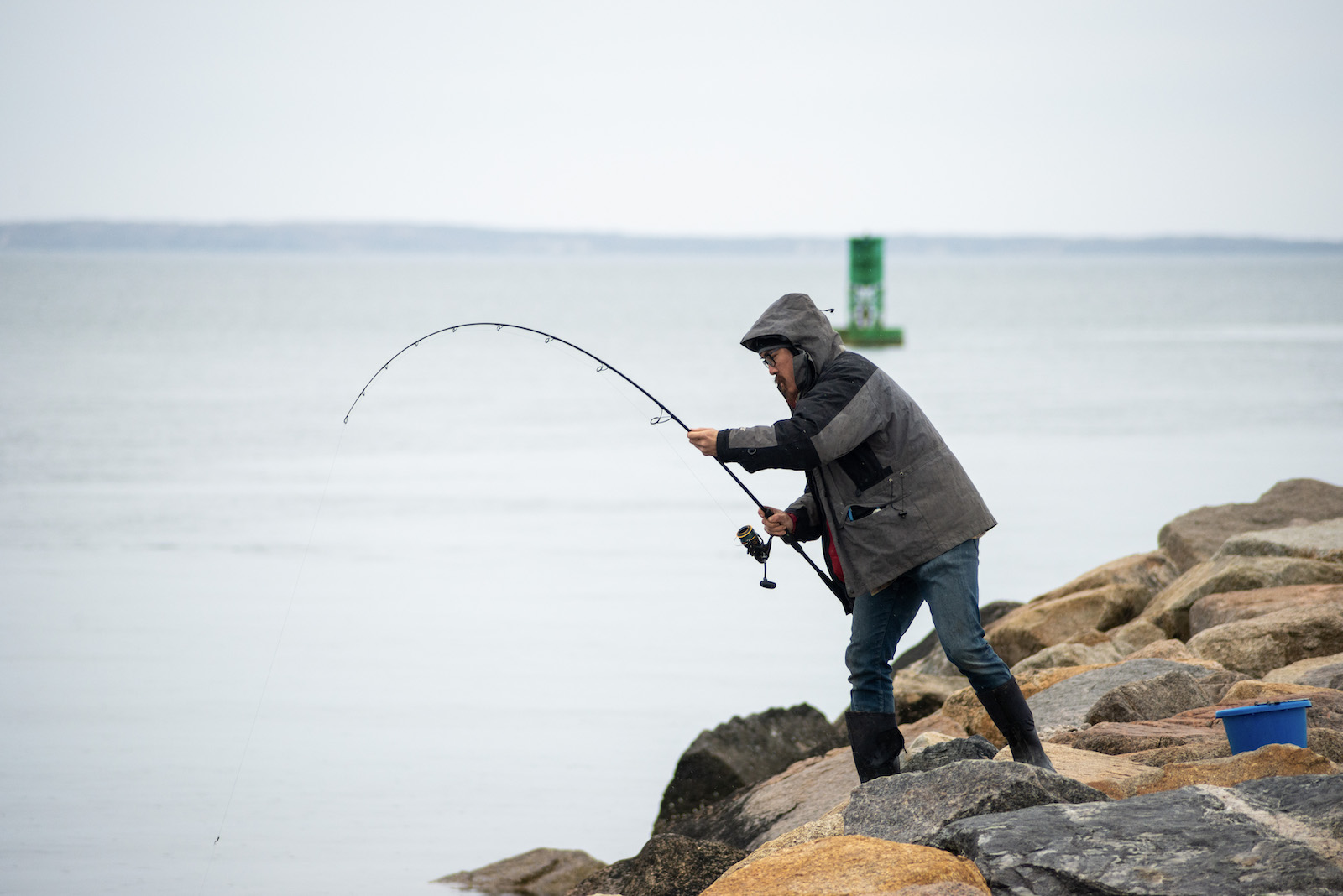
Some fishermen have called on the commission to do more to protect the species.
The commission’s striped bass board, made up of government representatives throughout the region, was considering a 12 per cent cut to commercial striper quotas, as well as seasonal closures for recreational harvests.
More than 4,000 public comments on the proposal were received by the commission, and several board members said this was one of the most divisive proposals in recent memory.
“We have a divided public, we have a divided board...I feel like there’s got to be a better way than us to be this divided over an outcome for the fish, the resource itself,” said Martin Gary, the director of marine resources for the state of New York.
The impetus for many to take up the stringent measures was based on projections that the species wouldn’t meet its recovery goals by 2029. The last strong class of striped bass has also reached an age where they are large enough to be kept by fishermen, worrying regulators that if those fish are wiped out, it could leave little hope for the remaining stock.
But others took pause when the preliminary data on the 2025 harvest fell well below — more than 40 per cent — the same time period last year. This led some members to wonder if action was truly needed, and many members opted to wait to see how the year ends. Any major changes for the species could come after an already planned assessment on the fishery in 2027, they reasoned.
“This resource is going to continue to be getting the attention it needs, but right now, status quo is the way forward,” Mr. Nalowsky said. “Let’s get the next benchmark and then respond accordingly.”
Concerns around the livelihoods of fishermen were front and center throughout the nearly five-hour meeting.
Though many on the Vineyard have said they would support more stringent regulations, some Island charter captains raised concerns about the future of their business if more cuts were made.
Annette Cingle, a Menemsha-based charter captain who largely fishes for stripers and bluefish, urged the board to maintain the status quo.
“If seasonal closures should prevail I will lose my business,” she wrote in a public comment earlier this year.
In a statement, the commission noted the warnings of economic devastation from the commercial and charter fishermen played into its decision.
“Ultimately, the Board maintained current recreational measures and commercial quotas, noting the severe economic consequences of the proposed reduction, the low fishing mortality rate in 2024, and preliminary indications of lower catch in 2025,” the commission said in a statement.
Before voting to keep the current rules intact, Massachusetts did lead an effort to pass the 12 per cent cuts. Nichola Meserve, a fishery policy analyst with the state Division of Marine Fisheries, made the motion to seek a quota reduction and seasonal closure.
“Additional commercial quota reductions and seasonal closures in the recreational fishery feel inevitable to me based on these conditions,” she said. “Pushing them off now sends the wrong signal about the board’s commitment to sustainably managing this stock and the wrong signal about the adaptations the fishery is going to need to make to a less productive stock in the future.”
Sarah Peake, a state representative from Provincetown and a member of the Massachusetts delegation on the board, remembered voting against tighter fishing restrictions in 2011. She said she has regretted it ever since, and felt compelled to do something to help the species as new classes remain weak.
“Hope is not a method and I think we have to embrace the science and the means we have to create a method to turn around that persistent low recruitment,” she said.
Though Rhode Island, Connecticut, Maine and North Carolina also joined the Bay State, the vote was 11-5 in opposition.
This is the second year in a row that the striped bass board has declined to make changes to the fishery. In 2024, the board wanted to wait to see how prior emergency actions taken by the states would play out before making further changes.
The board agreed to form a working group after expressing concern about the seven straight years of poor new classes of fish coming from Chesapeake Bay – the main breeding grounds for the species. The working group will consider upcoming management challenges beyond 2029, which is the current goalpost for regulators.
The board last week did enact new tagging requirements for commercial fishermen in an attempt to cut back on illegal harvesting. They also set a new coastwide measurement standard for striped bass, bringing all states into alignment. Fish will now be measured by a straight line from the head to a squeezed tail fin.
Comments
I'm sick of seeing 30-50
Ted WTI'm sick of seeing 30-50 commercial boats come and decimate a large school of stripers in an hour or two. There will never be enough stripers to sustainably fish with anything close to the current rules around commercial. If anyone actually cared, they would make it recreational only.
This^. Insane how we're
Common Sense Fisherman MVThis^. Insane how we're focusing on tinkering the rules for recreational when a the commercial season is the equivalent to dropping a nuke on the area's breeding sized striped bass.The regulators need to wake up.
Add new comment