

The student became the master.
The student became the master.
While you may know of Swedish biologist Carl Linnaeus, who was called the father of modern taxonomy, you may not be familiar with one of his many students. Johann Christian Fabricius only studied with Linnaeus for a few years, but he achieved superiority in the identification and naming of at least one significant group of organisms.
This Danish zoologist had his own superlative, being described as the “greatest observer of insects of the 18th century.” In the creepy-crawler category, he out-named his mentor with more than 9,776 insect species described to Linnaeus’s perhaps paltry 3,000. Clearly someone (with a competitive spirit) was counting.
Their methodologies were also quite distinct. Linnaeus relied on describing scientific classes based on number of wings, while Fabricius relied on mouthparts to distinguish taxonomic orders and classes. The latter explained “those whose nourishment and biology are the same, must then belong to the same genus.”
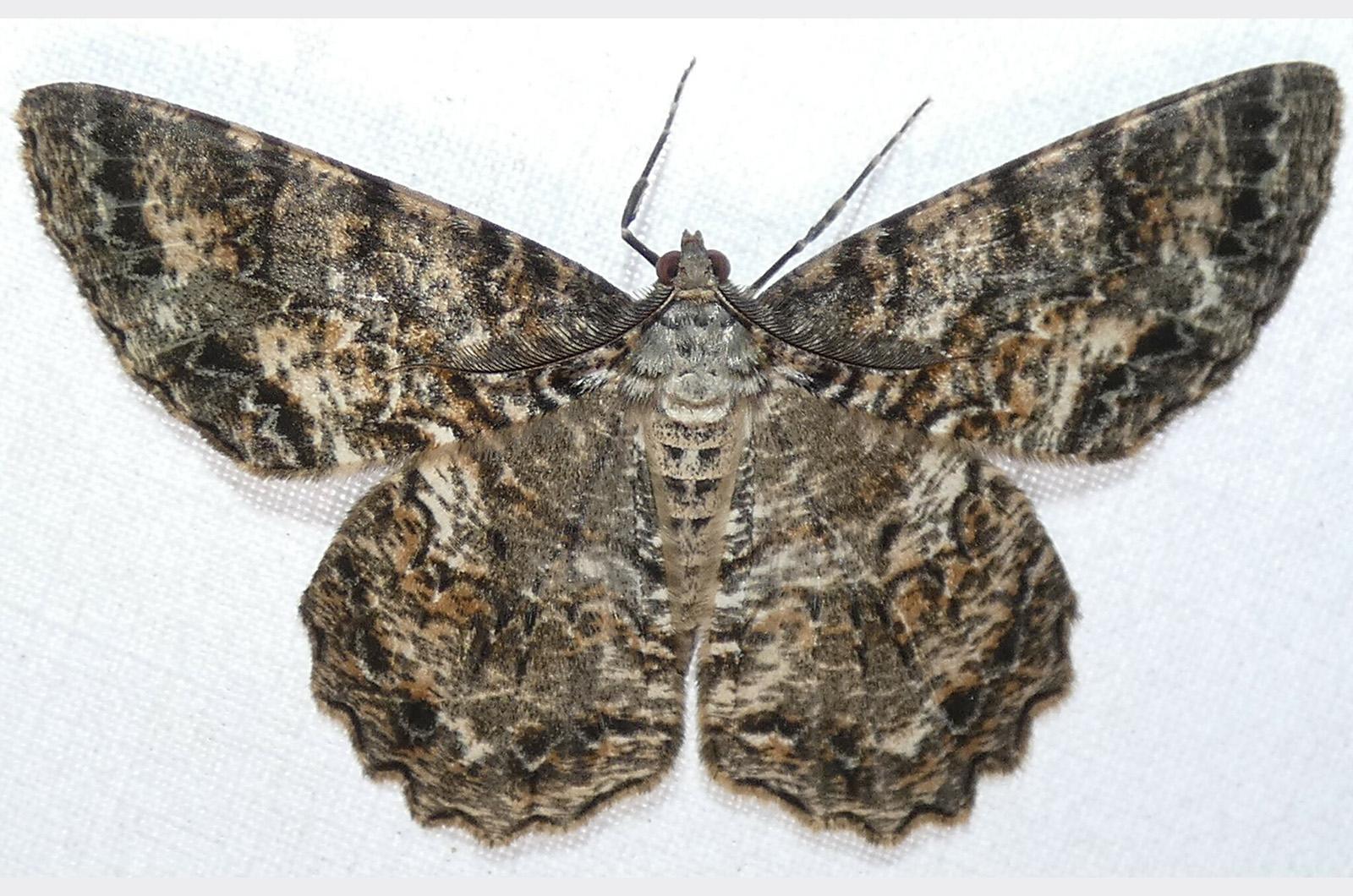
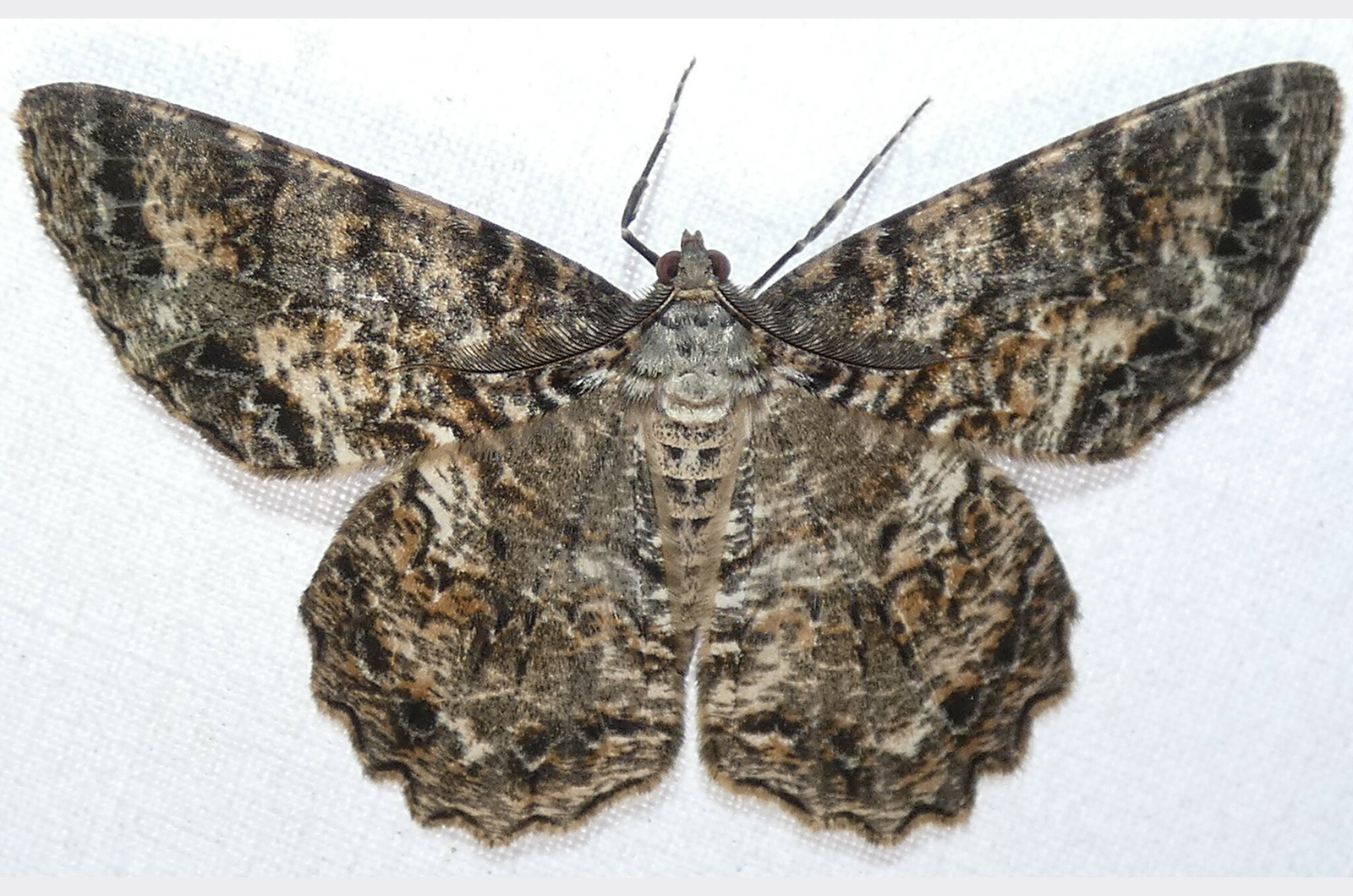
One mouthless moth documented by Fabricius is Epimecis hortaria. Commonly called the Tulip Tree beauty moth, this fly-by-night species doesn’t eat during its four-day lifetime. The moth is on the wing from March through October, ranging from New England south to Florida and west to Texas and Missouri.
The caterpillar of this species, an inchworm with a humped section, is the eating part of this insect’s lifecycle. That caterpillar will munch on a variety of species including the obvious, tulip trees, and also other tree species such as the pawpaw, sassafras, poplar, magnolia and sweet gum, plus a few other varieties. They have a much broader palette than other caterpillars such as monarchs that only have eyes (and mouths) for one species. In the monarch’s case it is only milkweed.
A fortunate daytime sighting of the usually nocturnal adult tulip tree moth allowed for a photo capture. The insect would have been easy to miss with its camouflage capabilities. Two different color morphs can be observed and include dendraria and canbonaira variants. The latter describes the darker version and the former the lighter variety. These moths’ ability to fade into their backdrop, whether it is a tree trunk or flower, is exceptional, making them easy to miss.
Tulip tree beauty moths are in the family Geometridae, more commonly known as geometer moths. Hailing from the Ancient Greek root geo meaning earth and metron connoting measure, geometer translates to measuring the earth and describes the looping or inching nature of the caterpillar’s movement. The caterpillars of this family can be green, gray or brown to blend perfectly with its particular plant, appearing as a twig or tree part. With over 23,000 geometer moths, identifying one at the larval stage can be quite difficult.
The race for naming may have been at the expense of in-depth learning of species’ habits and lifecycles. Even today, according to one entomologist from the Florida Native Plant Society, there is a “paucity of available information on the Tulip-tree beauty’s life cycle,” though he blames that fact on the insect’s “superior concealment.”
Blame game (and scientific competition) aside, we should remain grateful for those who find, name, photograph, document, and write about those small, subtle, and understated species. Carl Linnaeus had a fine line when he proclaimed that “Nature does not proceed by leaps and bounds”; the same can sometimes, but not always, be said for natural science itself. Sometimes it plods along like an inchworm, and sometimes it metamorphizes like a moth and flies ahead of the competition. Both Linnaeus and Fabricius, with their groundbreaking accomplishments, would have known of these contradicting certainties.
Suzan Bellincampi is director of the Felix Neck Wildlife Sanctuary in Edgartown, and author of Martha’s Vineyard: A Field Guide to Island Nature and The Nature of Martha’s Vineyard.
Add new comment