

<p>The Martha’s Vineyard Regional High School will change its cafeteria program beginning next year to be managed in house.</p>
Following the lead of other Island schools, the Martha’s Vineyard Regional High School will change its cafeteria program beginning next year to be managed in house and include more locally grown foods.
The district school committee voted unanimously Monday to back the change.
“The shift that we would be proposing with this . . . is kind of a mission shift,” school principal Sara Dingledy told the committee. “And the mission shift for us would be about feeding kids, sustaining a connection to the Island, making sure that we connect with our culinary program . . . and having it really help support community outreach.”
The school has been contracting for many years with the school food service vendor Chartwells for its cafeteria meals program.
The new food service program, set to begin in the 2019-2020 school year, will be led by Kevin Crowell, the head instructor for the high school culinary arts program and owner of Detente restaurant in Edgartown.
The program will come at a cost. An estimate provided by the school administration projected an increase in cost of some $40,000 for the first year over what the school pays Chartwells. Administrators called the estimate conservative because it assumes the number of meals sold and the price of meals remain the same. Advocates for the new program said they hoped to sell more meals and to find other ways to make the program financially viable.
Mr. Crowell, high school junior class president Emily Gazzaniga and Island Grown Schools community food education director Noli Taylor all attended the meeting Monday.
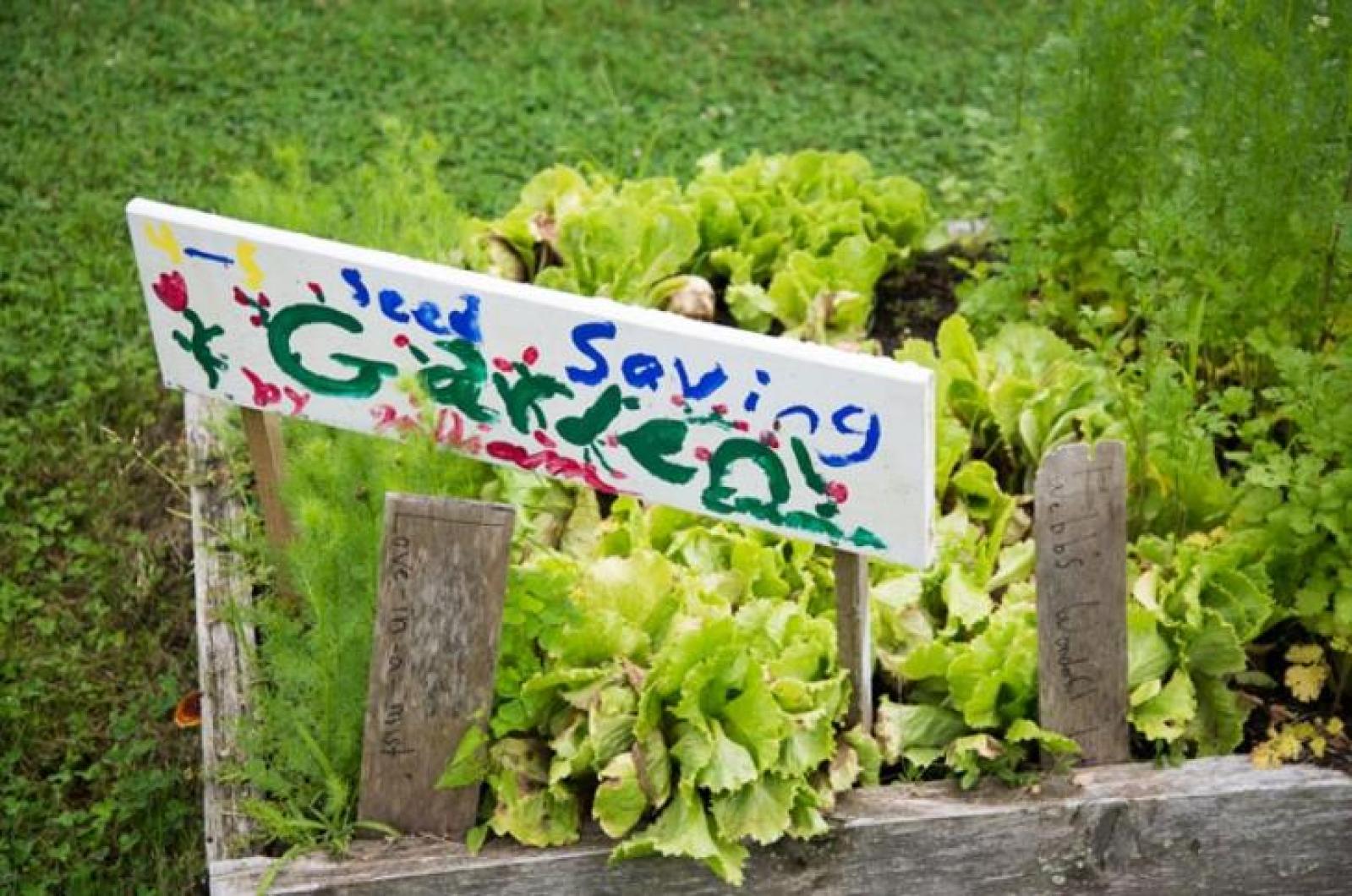
Ms. Taylor has led the effort in recent years to build community gardens at all the Island schools and also develop a locally grown healthy eating program called Harvest of the Month.
Ms. Gazzaniga, who approached Ms. Dingledy last spring about the cafeteria food, presented the results of an informal online survey she conducted to learn more about how well the food is received at the school. She said of the approximately 200 students and staff who took the survey, over half said they were dissatisfied. Almost a quarter of the people surveyed were not aware that the high school offers breakfast. Ms. Gazzaniga said beyond that survey, she had multiple conversations about cafeteria issues.
“I’ve had many friends and peers come up to me and express concern about the school lunches,” she said.
Ms. Dingledy said the high school’s three-year contract with Chartwells expires at the end of this school year, and that end date offered the opportunity to explore new options. Currently an average of 50 per cent of students eat cafeteria food for lunch on a given day, and less than 10 per cent eat breakfast at school. Ms. Dingledy said the new program will have a vested interest in raising that number.
“It would be incumbent upon the success of the program to increase participation rates,” she said. “We would have to adjust. We would have to take feedback because our success depends on it.”
Mr. Crowell gave a lengthy presentation on his vision for the new program, which would include students in the cultivation and the preparation of the food, and the business aspect of running a dining operation.
“A big part of this is also the teaching portion,” Mr. Crowell said. “We want to integrate primarily the culinary arts in a way that the lunch program can coordinate with culinary.”
The culinary arts program has long been part of the high school’s robust vocational program.
Assistant principal Barbara Jean Chauvin explained that working in the cafeteria could qualify for the career and technical education (CTE) program’s co-op system, which allows students to spend part of the school day working in their focus field.
In the long term, Mr. Crowell said he envisioned a zero-waste system, large-scale gleaning, a student-run food truck, and a student-run catering service among other goals. He said he imagined coordination with Island Grown Schools and with other Island schools. He said the program would also aim to bring in revenue as an occasional community dining space.
The school committee was wholly supportive of the proposal, though Jeffrey (Skipper) Manter 3rd asked that the school administration find other areas to trim the budget to make up for the extra costs. That caveat made, he recalled his own days as a regional high school student.
“It used to be called home economics before it was called culinary arts,” Mr. Manter said. “You should look back at the class of 1975, graduating class, and see who won the home economics award.”
Comments
This is fantastic news! The
Pat ChilmarkThis is fantastic news! The high school desperately needs to improve their food program and I cannot think of a better chef to run it and start sourcing locally grown produce than Kevin. So glad this is happening.
I have no children, so
Childless Taxpayer EdgartownI have no children, so obviously no kids attending schools here. I don't make a lot of money, so I really feel tax increases. The budget for the school keeps going up incredibly fast. This project may well cost several times the estimate. It is real money out of my pocket! You have my whole hearted approval! I don't have money for fancy things, and am grateful for what I do have. One of those things is a great upbringing from a frugal mother and fantastic cook. I know how to make delicious nutritious meals at a low cost. It brings me and my partner real satisfaction every day. Not all kids get that gift, not all parents can cook well. Not all parents prioritize these things. Education is about showing options and making them available. This will be a great education on how to live well on modest means. Not all students will embrace this, but some will be inspired. And it isn't like you can't still enjoy the local delicacies of fried pizza and stale sandwiches when you want em.
Thank you for your clear
Hopeful VHThank you for your clear voice representing the no-children bearing, but, equally community-supporting tax payers' perspectives.
There are lots of POSITIVE things possibly to be introduced and stay part of the healthy living, instead of convenient, yet, poor, insensitive choices. It starts with the change back to re-thinking the goal of consumption. I hope this decision hatches lots of great ideas from local healthy foods and its increased demands, and, hopefully to expanded healthy mind and body programs intoroduced at the early ages.
This is such a positive
Fae Vineyard HavenThis is such a positive direction that promises to reap far reaching rewards. I believe it is vitally important to make people and planet supporting choices more important than using the “bottom line” mentality of government...a government that has turned hospitals and prisons into profit generating businesses rather than places of humanitarian care and rehabilitation. It is important to check the priorities motivating the choices.
Liberal utopia. The
Katama Bill KatamaLiberal utopia. The costs will overun and the kids will bring their own food.
Add new comment