| Day | Max (Fº) | Min (Fº) | Inches |
|---|---|---|---|
| March 18 | 58 | 39 | T |
| March 19 | 55 | 32 | 0.00 |
| March 20 | 44 | 32 | 0.00 |
| March 21 | 42 | 32 | *0.56 |
| March 22 | 41 | 28 | T |
| March 23 | 48 | 38 | 0.00 |
| March 24 | 56 | 41 | 0.00 |
*melted precipitation


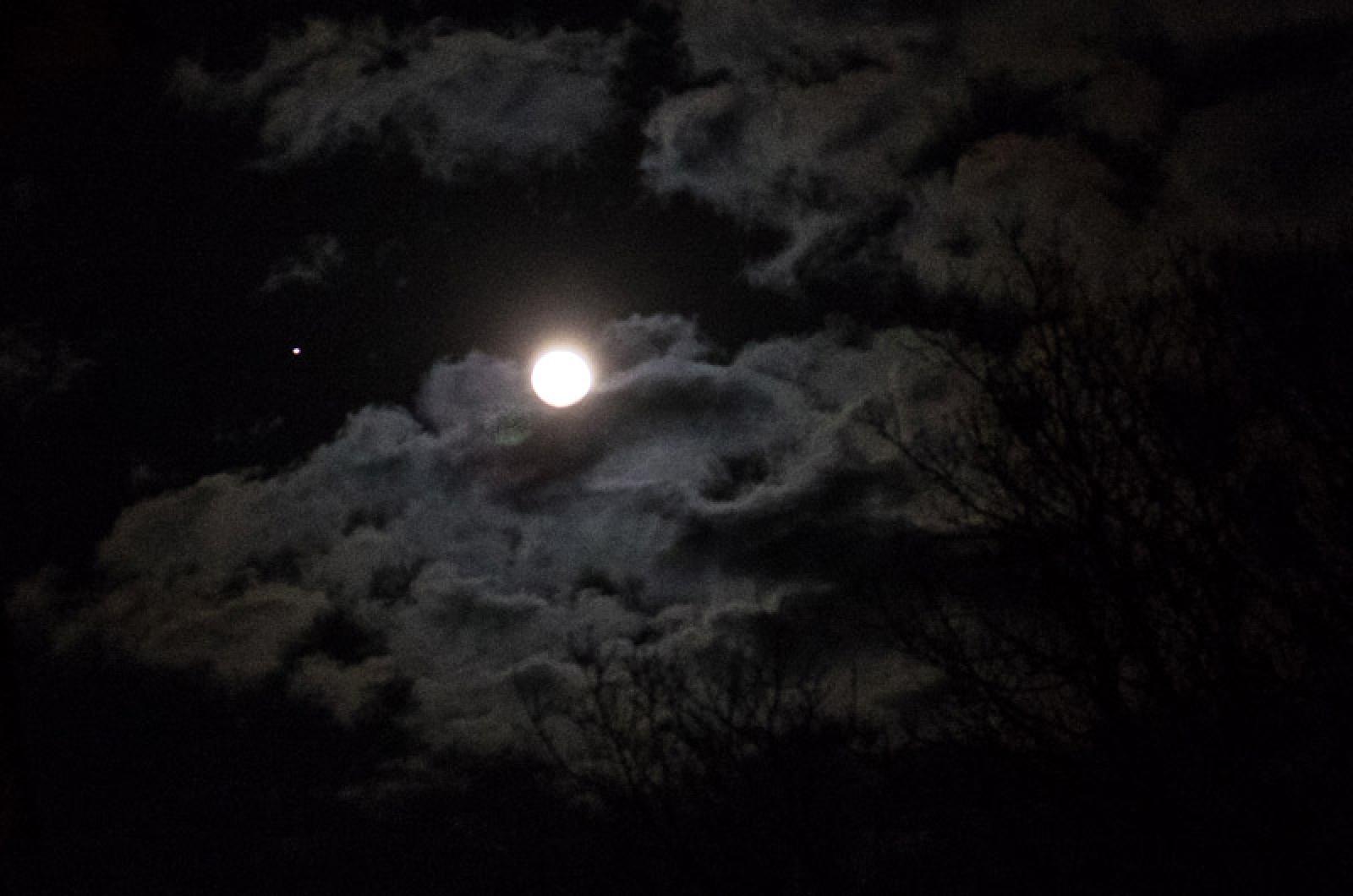
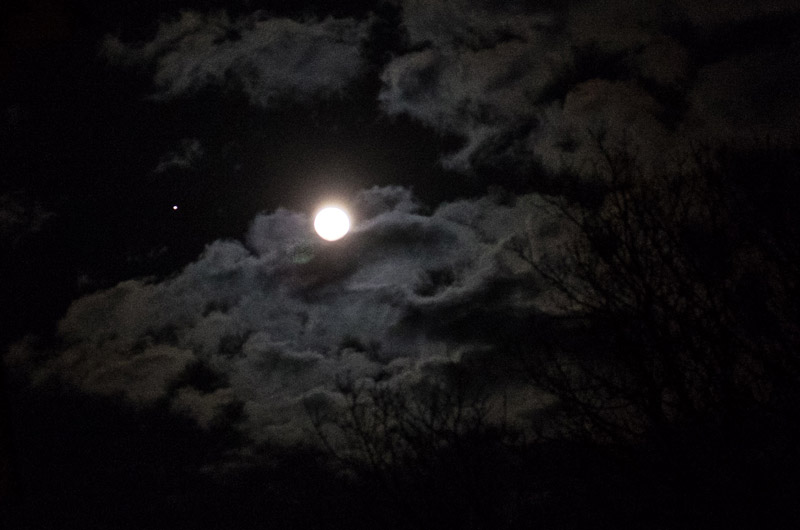
In the wee hours of Monday morning, long before sunup, the gibbous moon appears close to the red planet Mars.
In the wee hours of Monday morning, long before sunup, the gibbous moon appears close to the red planet Mars. It is a pretty scene that will change quickly. On Tuesday morning, the moon appears next to the yellowish planet Saturn. All three are in the zodiacal constellation Scorpius, low in the southern sky.
The red planet Mars is easy to spot. Mars has competition when it comes to being a red celestial object in the sky. You’ll recognize Mars as the brightest, but look closer to the horizon and to the east and the bright star Antares is nearby.
Mars is getting closer. Opposition is in a month. Astronomers estimate the planet is 74 million miles away. Saturn is 883 million miles away.
Goodbye Venus
If you are lucky enough to spot Venus low in the southeastern sky this week, take this opportunity to say “Goodbye.” Venus will disappear from view in the mornings ahead. Next month Venus is too close to the glare of the sun to be seen. It is about as far away as the planet gets. It is 148 million miles away. The planet is moving behind the Sun and it will reappear in our evening sky in late May. You’ll most likely see and say “Hello” to Venus when it appears low in the southwestern sky after sunset in June.
| Day | Sunrise | Sunset |
|---|---|---|
| Fri., March 25 | 6:37 | 6:58 |
| Sat., March 26 | 6:35 | 7:00 |
| Sun., March 27 | 6:33 | 7:01 |
| Mon., March 28 | 6:32 | 7:02 |
| Tues., March 29 | 6:30 | 7:03 |
| Wed., March 30 | 6:28 | 6:04 |
| Thurs., March 31 | 6:26 | 7:05 |
| Fri., April 1 | 6:25 | 7:06 |
| Day | Max (Fº) | Min (Fº) | Inches |
|---|---|---|---|
| March 18 | 58 | 39 | T |
| March 19 | 55 | 32 | 0.00 |
| March 20 | 44 | 32 | 0.00 |
| March 21 | 42 | 32 | *0.56 |
| March 22 | 41 | 28 | T |
| March 23 | 48 | 38 | 0.00 |
| March 24 | 56 | 41 | 0.00 |
*melted precipitation
Add new comment