| Day | Max (Fº) | Min (Fº) | Inches |
|---|---|---|---|
| April 24 | 54 | 36 | T |
| April 25 | 53 | 34 | 0.00 |
| April 26 | 54 | 37 | 0.00 |
| April 27 | 57 | 44 | 0.00 |
| April 28 | 60 | 41 | 0.03 |
| April 29 | 57 | 42 | T |
| April 30 | 59 | 41 | T |


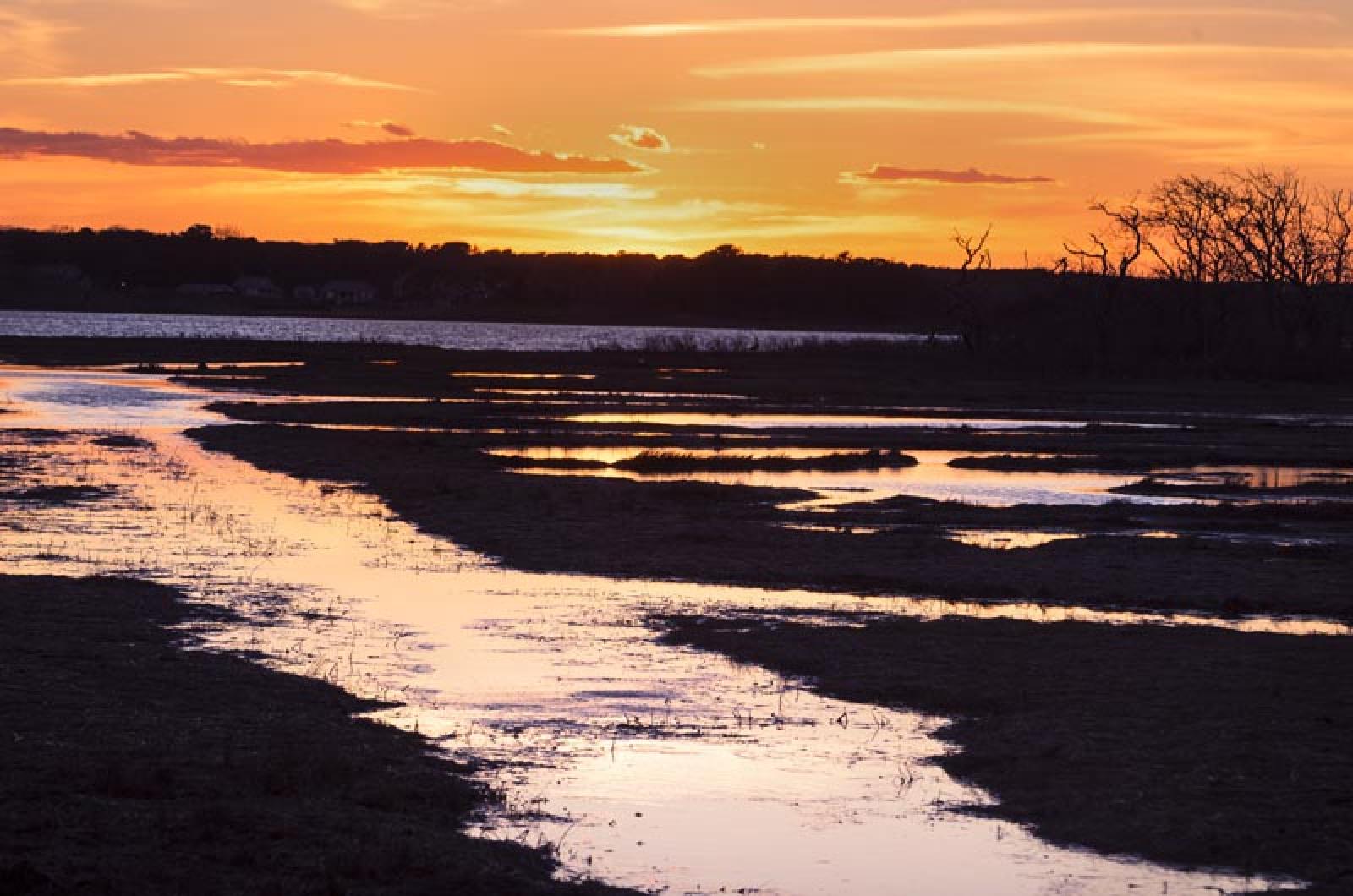
Monday night’s full moon, the Honey Moon, resides in the zodiacal constellation Libra, a constellation we most often associate with summer.
Monday night’s full moon, the Honey Moon, resides in the zodiacal constellation Libra, a constellation we most often associate with summer. Honey Moon, named after the Vineyard season of weddings and the flavors of spring, rises in the east as the sun sets in the west. This moon never gets much altitude. This full moon stays in our southern sky and never reaches the height we associate with full moons we see in winter.
On Tuesday night, the one-day-old full moon appears near the bright planet Saturn, in the zodiacal constellation Scorpius. The two are low in the southern sky. Scorpius is one of the southernmost constellations, along with its neighbor Sagittarius.
Beehive Star Cluster
Venus appears high in the western sky after sunset. The planet is getting brighter and closer. Venus is only slightly closer to the Earth than the Sun. Venus is about to leave the zodiacal constellation Taurus and enter Gemini.
Jupiter is not too far away from Venus. Jupiter resides in the zodiacal constellation Cancer. If you’ve got a pair of binoculars take a look at Jupiter. You may see one or more of its moons real close.
Jupiter is not far from the Beehive star cluster. This is one of the largest visible star clusters in our night sky and a beautiful object to see through binoculars. It is also called Praesepe, but this is a challenging name to say aloud. Beehive cluster is easier. The cluster is made up of 1,000 stars and is 577 light years away. That is really close for a star cluster.
For those who love to look at the star clusters Pleiades and Hyades, this is a real charmer. The Beehive Cluster is about the same visual size as the Pleiades but not as bright. Jupiter will assist you in finding this distant star cluster. You couldn’t find a more friendly guide, as Jupiter is the second brightest planet high in our western sky.
| Day | Sunrise | Sunset |
|---|---|---|
| Fri., May 1 | 5:38 | 7:39 |
| Sat., May 2 | 5:37 | 7:40 |
| Sun., May 3 | 5:36 | 7:41 |
| Mon., May 4 | 5:34 | 7:42 |
| Tues., May 5 | 5:33 | 7:43 |
| Wed., May 6 | 5:32 | 7:44 |
| Thurs., May 7 | 5:31 | 7:45 |
| Fri., May 8 | 5:30 | 7:46 |
| Day | Max (Fº) | Min (Fº) | Inches |
|---|---|---|---|
| April 24 | 54 | 36 | T |
| April 25 | 53 | 34 | 0.00 |
| April 26 | 54 | 37 | 0.00 |
| April 27 | 57 | 44 | 0.00 |
| April 28 | 60 | 41 | 0.03 |
| April 29 | 57 | 42 | T |
| April 30 | 59 | 41 | T |
Comments
I love this lsland, love to
MARIAN BARBARASHAND AUSTRALIAI love this lsland, love to see it again
Add new comment