

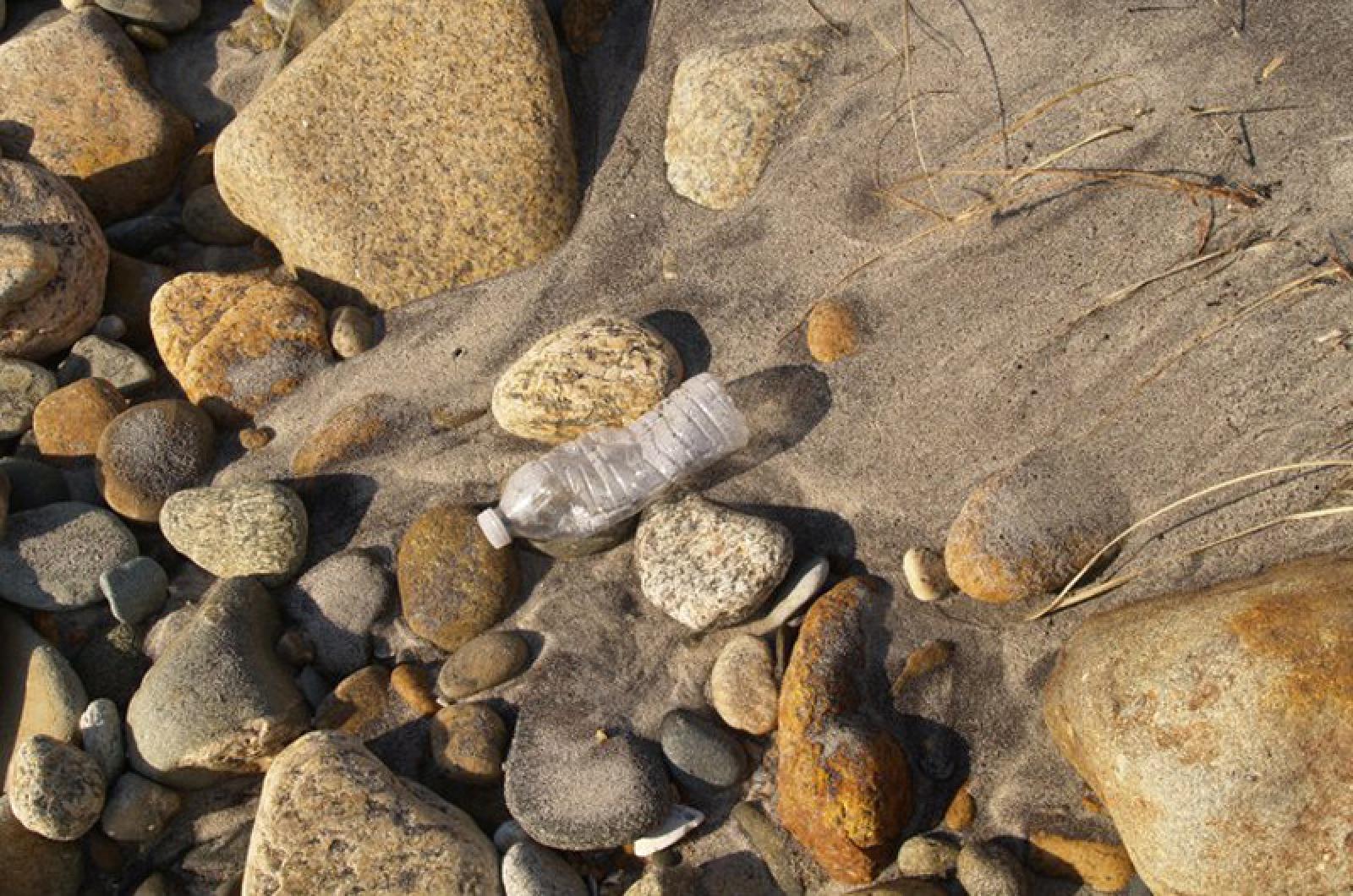
Banning bottled water is a growing movement all over the United States. Let's try to make some waves on the Vineyard with local water.
San Francisco is making waves.
Last week the city’s board of supervisors approved a measure that would ban the sale of bottled water at events held on city property. Supervisor David Chiu, who authored the legislation, noted dryly “not long ago, our world was not addicted to plastic water bottles . . . Before (the 1990s), for centuries, everybody managed to stay hydrated.”
To be fair, (and to have some Massachusetts pride), it is worth mentioning that Concord had an earlier bottled water ban than San Francisco. There is also a growing movement at universities and colleges for these bans, and some national parks are also banning the bottle.
I salute Mr. Chiu and the other proponents of these measures nationwide. Having spent the last few weeks in Bali, the evidence of the increase in use of these bottles in the form of the empties strewn all over the beaches and landscape was very disheartening.
And while I would like to believe that this is a third-world problem, the truth is that the United States is the number one consumer of bottled water. The average American drinks 167 bottles of water per year, claiming more consumption of bottled water than milk or even (surprising in my household) beer.
This translates into more than 50 billion plastic water bottles annually used in America and, of those, only 23 per cent are recycled. However, beyond the problem of trash, the production of this product is an incredible drain on very valuable resources.
It takes approximately 17 million barrels of oil per year to quench American’s thirst for this particular product. That amount of oil could fuel 1.3 million vehicles or power 190,000 homes. And to make matters worse, that amount of oil used doesn’t include the fuel needed to transport the bottles of water to a store near you.
Those resources may be water under the bridge, but with the global consumption of bottled water increasing by 10 per cent per year, our problems could go deeper than the nearest aquifer.
Perhaps even more disconcerting about the popularity of bottled water is the fact that we have been duped into buying something that is freely available. Consider the cost and origin of bottled water.
The largest two purveyors of bottled water, with a 25 per cent market share, are using municipal water sources. Further estimates suggest that at least half of bottled water comes from a community tap. But the markup is steep: one analysis notes that bottled water is 560 times more expensive than tap water.
And interestingly, the quality of tap water is arguably better than bottled. Tap water is regulated by the Environmental Protection Agency (EPA), while bottled water is regulated by the Food and Drug Administration (FDA). The EPA tests for E. Coli and has more frequent bacteria testing and mandated reporting, while the FDA falls short in some of these measures.
On the Vineyard, we are blessed with phenomenal drinking water of a quality that can’t be beat. While I know that you can lead a horse to water, but you can’t make her drink, I hope that Islanders will go to the source — our own source — to quench their thirst.
Suzan Bellincampi is director of the Felix Neck Wildlife Sanctuary in Edgartown.
Comments
Hi Suzan, I represent the
Chris Hogan IBWAHi Suzan, I represent the bottled water industry and wanted to correct a couple of errors in this article. the first thing I do want to mention is that we think drinking water is always the best choice, whether from the tap, a filter, or a bottle.
There are many reasons for consumer enthusiasm for bottled water, including its association with healthfulness, convenience, safety and value. In addition, many consumers prefer the taste of bottled water. Bottled water in the U.S. is comprehensively regulated by the Food and Drug Administration (FDA) as a packaged food product and it provides a consistently safe and reliable source of drinking water. By federal law, the FDA regulations governing the safety and quality of bottled water must be at least as stringent the as Environmental Protection Agency (EPA) standards that govern tap water. And, in some very important cases like lead, coliform bacteria, and E. coli, bottled water regulations are substantially more stringent.
Banning or restricting access to bottled water in the marketplace directly impacts the right of people to choose the healthiest beverage on the shelf. And for many, bottled water is a critical alternative to other packaged beverages, which are often less healthy. Bottled water must therefore be available wherever packaged beverages are sold.
You also infer that bottled water production impacts water supplies. You might want to know that bottled water production from groundwater sources accounts for less than 0.02 percent of the total groundwater withdrawn in the United States each year. And, despite the bottled water industry's size, the amount of water actually sold is relatively tiny, compared to tap water volumes. To put it in context, the entire U.S. bottled water market is currently about 10 billion gallons; New York City goes through that amount of tap water in one week.
At 38 percent, the recycling rate for single-serve PET plastic bottled water containers, commonly 16.9 ounces (half-liter), has more than doubled between 2003 and 2011. And, bottled water bottles are the most frequently recycled PET beverage containers in curbside recycling programs.
All bottled water containers are 100 percent recyclable and PET plastic bottled water bottles also use less plastic than any other packaged beverage. Between 2000 and 2011, the average weight of a 16.9-ounce PET plastic bottle declined 48 percent, saving 3.3 billion pounds of PET resin since 2000. Many bottled water companies are already using recycled plastic in their bottles and some are producing 100 percent recycled PET water bottles.
Working in the industry for
George Stein EdgartownWorking in the industry for decades my bone of contention is make all states require redemption on not just water but all the alcoholic beverages ( wine/spirits ) that YES are in sold recyclable containers. We could even include juices, hair care products and so many other items on the food industry. Nations have banned plastic bags. To single out one product is as short sighted as the people who in this forum pick on Stop and Shop for having too many part time slots ignoring all the other employers who do the same.
Thank you, Suzan, for writing
Dave Ferguson West TisburyThank you, Suzan, for writing about the extremely urgent issue of water.
And thank you, Chris, for your counterpoints. And for your transparency in your bias.
That multinational corporations are selling us a precious resource that is OURS at a 280,000% mark up (Nestle, for example, marks up water 53 MILLION percent) is an outrage. That people are STILL buying bottled water is patently absurd. People need to wake up to these abuses.
Here's an informative article that puts it into more perspective:
http://www.zerohedge.com/news/2013-07-29/280000-mark-water-look-inside-…
I'm not sure I understand
Brian West TisburyI'm not sure I understand your argument. Are you saying corporations should not sell ANY water based products because they are using "our" precious resource? No bottled water, soda, juice from concentrate, beer? Who cares what the mark up is? We all have a choice not to buy bottled products to drink. This is a silly argument and a non-problem.
while you are at it ban those
Steve East Falmouthwhile you are at it ban those stupid helium filled balloons that end up in the water for turtles birds and other wildlife to eat! I have even found "Black Dog" balloons floating in the ocean, talk about a disgrace...
Everybody, the best thing to
Maria Gilsenan Edgartown and N.YEverybody, the best thing to do is purchase your choice of permanent funky container and fill your container with tap water or your own filtered water if you so desire and save the dump and yourselves money. The plastic bags in the ocean is another fight for another time. I am for saving the planet by simple means.
Last year I seem to recall
Ken Esq EdgartownLast year I seem to recall one Island city having at least one if not two "boil water" incidents. Recently, Edgartown's water resembled Ice Tea. Having bottled water as an option can be very important in situations like those and similar occur.
I have never felt duped when I purchased a bottle of water. I knew what was in the bottle and also knew that it could be available elsewhere at a far lower cost (tap water is not free).
Water should be available for sale in any form that people are willing to purchase it. It's a necessity of life and having it in places like vending machines makes it readily available and a superior and healthier alternative to other bottled beverages.
It's also a lot safer from a health standpoint than drinking from a public water fountain/gardern hose or from a well that someone may not have tested for years.
Water bottles are but one item often found littering our streets and beaches. I always find way more beer, and soda containers on the ground.
If there isn't a need or desire for the product it wouldn't sell.
I could not agree more.
Luke WMassI could not agree more. Visiting this summer, preparing to propose on State Beach this summer, I had too much city water before I heard the "boil water" incident had occured. I ended up in the hospital back home and needed $1 waters to get hydrated. I agree that the preservation of the island's beauty is important, but this is not the only product being poluted on beaches and parks.
Either way, she said yes.
Traveling to both populated
RB WTTraveling to both populated and remote places around the world you can walk a beach, and invariably find plastic. Head to the isolated beaches on our own south shore, and you'll find empty bottles all around(along with netting, milk jugs, etc). The solution to reducing our desire to buy bottled water is to offer an alternative. Some musical acts are aware of the problem of plastic bottles, and offer their own reusable plastic bottles, which can then be used at many refill stations around the venues. Likewise, if municipalities started to offer filtered water stations for a nominal fee people would perhaps slowly catch on that they can carry around a reusable and fill up as needed, and at a discount, over grabbing plastic. Adding incentive and awareness I believe is key. In our home we have filtered water, and will usually fill up a few drinking bottles for the road when on day trips. It save a bundle, and cuts waste.
I believe the picture is an
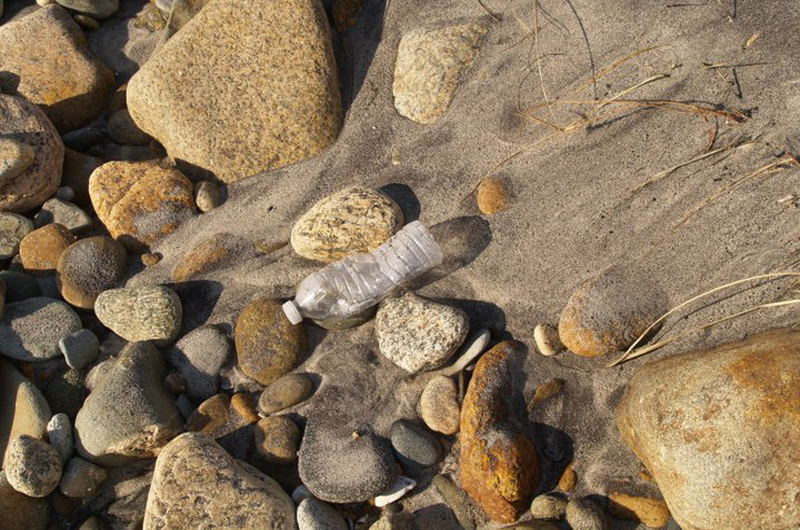
MikeI believe the picture is an "ice tea" bottle with the label missing. There for water is ok.... it's iced tea the that is the enemy
Bring back glass bottles so
VeryAnnoyed Vineyard HavenBring back glass bottles so beach glass can be available the old fashion way. In my younger days, my mom and I would comb the beaches to find beach glass. Blue, green, brown were always prized treasures.
Add new comment